
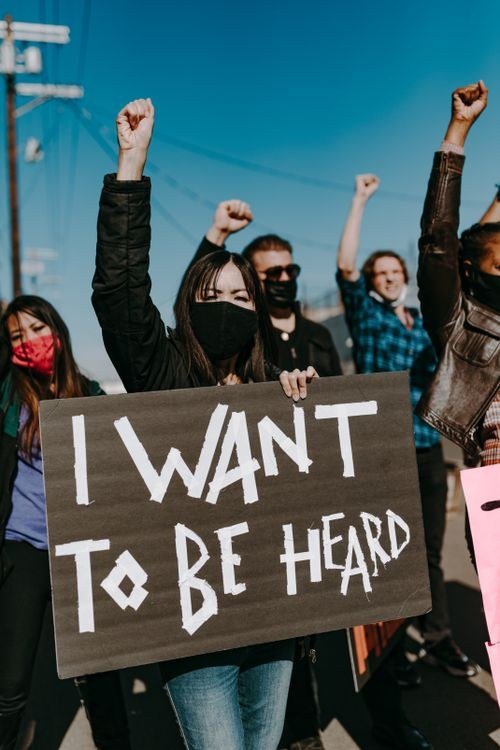
A five-day strike for a pay rise at a packaging manufacturer had just ended with an 8% wage increase agreement. A week later, the company dismissed two workers for “unauthorized absence during the strike.” Notably, one of them was a member of the grassroots union executive committee who had represented the workforce in signing the settlement with management. The grassroots union protested fiercely, calling it retaliation against a strike leader. The company insisted the dismissals were for rule violations, “unrelated to the strike.” Where does the legal line lie?
This is the most sensitive post-strike scenario in labor relations: the law both shields strike leaders from revenge and refuses to “immunize” them for genuine legal violations. Distinguishing the two decides whether the dismissal is lawful.
Three layers protecting strike leaders
First — no victimization or revenge. Article 206 of the Labor Code 2019 (Law No. 45/2019/QH14) lists prohibited acts before, during and after strikes, including victimizing or taking revenge against strike participants and leaders. Point a, Clause 3, Article 30 of Decree 283/2026/ND-CP fines employers VND 5–10 million for unlawfully terminating contracts or disciplining strike leaders, or for victimizing or retaliating against strike participants.
Second — special procedure for union officials. Clause 3, Article 177 of the Labor Code 2019: when unilaterally terminating, transferring, or disciplinarily dismissing a member of the leadership of the grassroots employee representative organization, the employer must reach a written agreement with that organization’s leadership. If no agreement is reached, both sides report to the provincial labor authority; only after 30 days from the report may the employer decide, bearing full responsibility for the decision.
Third — the Trade Union Law 2024. Article 28 of Trade Union Law No. 50/2024/QH15 (effective 1 July 2025, replacing the 2012 law): employers may not unilaterally terminate, dismiss or force the resignation of part-time union officials without written agreement from the directly superior union; a part-time union official whose contract expires mid-term gets it extended to the end of the term.
When is dismissing a strike leader lawful?
The key lies in the strike’s lawfulness and the nature of the person’s conduct. If the strike was lawful and the leader only organized within the legal framework (calling, negotiating, signing settlements), any discipline or dismissal targeting them counts as victimization or revenge — the dismissal will be declared unlawful, and the employer must reinstate the worker, pay back wages and compensate at least two months’ wages under Article 41.
Conversely, if during the strike the person committed independent legal violations — violence, destruction of machinery, equipment or company property (acts prohibited by Article 206) — the employer may consider discipline, including dismissal under Article 125. Even then, for a union official, the written-agreement procedure under Clause 3, Article 177 must be observed; skipping it can void the disciplinary decision on procedural grounds.
In the opening case, dismissing the very person who signed the settlement, for “unauthorized absence during a lawful strike,” bears the hallmarks of retaliation.
Recommendations for employers after a strike
Freeze disciplinary decisions against strike participants and leaders for a reasonable period after the strike ends, except for clear, evidenced legal violations. If a union official must be disciplined, complete the written-agreement procedure with the representative organization’s leadership and the 30-day reporting process. Keep files clean: every disciplinary decision must rest on specific rule violations set out in the internal regulations, with minutes and evidence — never cite strike participation or leadership as the reason.
Frequently asked questions
If the strike was unlawful, can the leader be dismissed?
When a strike is declared unlawful, workers who do not return to work may face discipline under the internal regulations. But the employer must still follow the Article 126 procedure and the special Clause 3, Article 177 procedure for union officials — an unlawful strike does not automatically legalize every dismissal.
What procedure applies to disciplining strike participants?
Article 126 requires a disciplinary hearing with the employee and the grassroots employee representative organization present, the employee’s right to defend themselves, and written minutes. Missing any step can void the decision.
Does protection continue after a union official’s term ends?
The written-agreement procedure under Clause 3, Article 177 and Article 28 of the Trade Union Law 2024 applies to serving union officials. After the term ends without re-election, the worker is protected as an ordinary employee — but victimization for past strike leadership remains prohibited under Article 206.
What if the company proves the dismissal was for another reason?
The employer must prove it with evidence: the specific violation, timing, minutes, witnesses — a reason independent of strike participation or leadership. Courts and labor authorities examine timing and motive; dismissal right after a strike on vague grounds is presumed retaliatory.
How an employer treats workers after each strike shapes labor relations for years. FLAT Law Firm advises employers on lawful, procedurally correct post-strike discipline — and defends the legitimate rights of workers and union officials facing unjust treatment.
Related articles
- Foreign Workers Under Compulsory Social Insurance in Vietnam: 2025–2026 Enforcement Updates and Treaty-Based Exclusions
- Unemployment Insurance Expanded Under the 2025 Employment Law: Are Workers Under Non-Titled Contracts Covered?
- The 2025 Employment Law: New Employer Duties on Labour Registration and Change Reporting From 1 January 2026
- Sponsoring Foreign Staff: Company Liability
- E-Visas for Incoming Experts
This legal analysis has been verified against current Vietnamese regulations and cross-border FDI transaction practices by the attorneys at FLAT LAW FIRM.

