
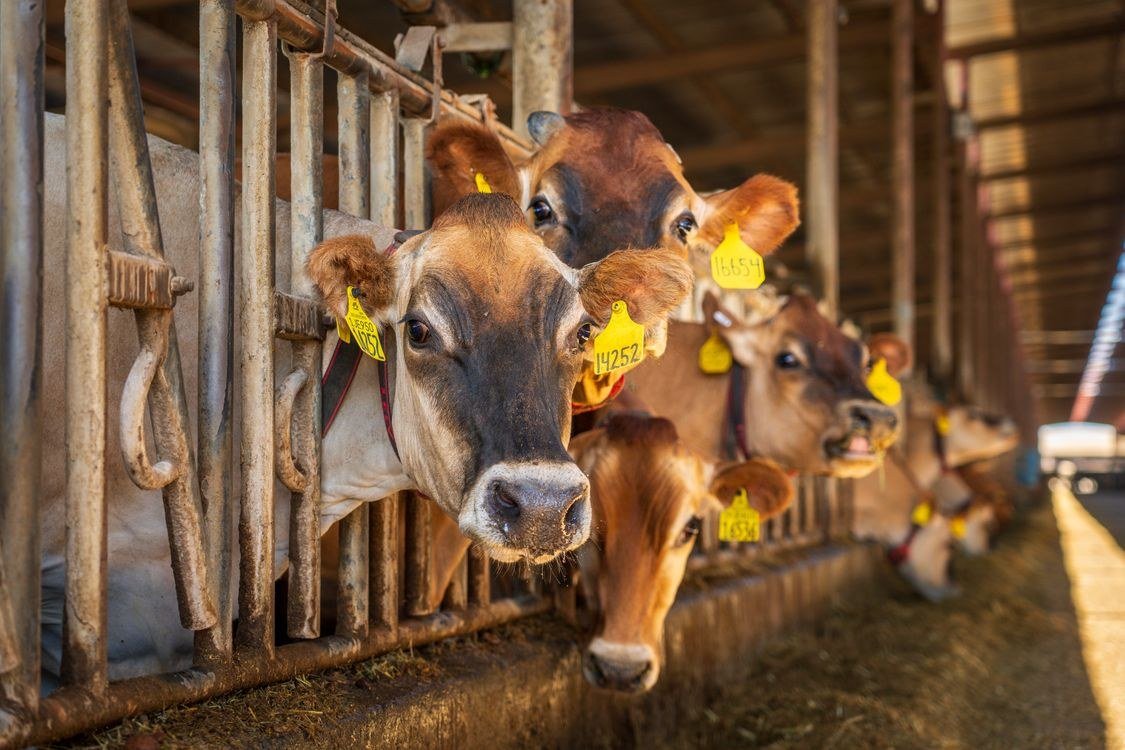
When livestock die in numbers shortly after a change of feed, the farm usually concludes at once that “the feed did it” and the plant usually answers at once that “it was not the feed”. Legally, neither sentence is enough. A compensation dispute over feed that kills livestock is decided by three evidentiary links: (1) whether the feed batch had a genuine quality defect; (2) whether the deaths were causally linked to that defect; and (3) how much the loss actually is. Whichever side controls the evidence for these three links — retained samples, test certificates, feeding logs, veterinary records — holds the advantage, whether as claimant or defendant.
Links one and two: quality defect and causation
Liability can travel by two routes. The contract route: the feed sale contract and the product’s declared quality dossier fix the standard the plant committed to; a batch failing its declared standard (wrong contents, mycotoxin contamination, banned substances, expired product) breaches the seller’s quality obligations under the law on product and goods quality and the parties’ agreement. The non-contractual route: Article 584 of the Civil Code 91/2015/QH13 grounds compensation liability in an infringing act, actual damage, a causal relationship and fault. Causation is the hardest point: livestock also die from disease outbreaks, water sources, misused veterinary drugs or the farm’s own husbandry. Testing the retained sample of the exact delivered batch, independent veterinary diagnosis and per-batch feeding logs are therefore the three decisive pieces of evidence. A farm that destroys all remaining feed and carcasses before records and samples are taken destroys its own chain of proof.
Link three: quantum, and running the two tracks in parallel
Recoverable loss includes the value of dead animals, veterinary and outbreak-handling costs, and losses from the interrupted production cycle — but only the documented portion that sits within the causal chain to the quality defect. Procedurally, two tracks run in parallel and must not be merged: the administrative track — livestock and veterinary authorities inspect, sanction, recall or destroy the violating batch under the Law on Animal Husbandry 32/2018/QH14 and Decree 211/2026/ND-CP; and the civil–commercial track — negotiation, mediation, then arbitration or court for the compensation claim. Official inspection records and conclusions are important evidence in the civil track but do not replace each farm’s own proof of loss. Unlike the article on feed quality and antibiotics (EXP-4630), which treats quality standards and antibiotic control from a regulatory angle, this article deals only with compensation disputes after loss has occurred; and unlike pre-sale conformity declaration and quality inspection topics, it starts at the moment animals die and the question becomes who pays.
What both sides must do in the first 72 hours
The farm: stop feeding the suspect batch but preserve the scene — seal the remaining feed, keep packaging and batch labels, record the facts with confirmation from the local veterinary authority, send samples for independent testing, and keep all purchase documents, feeding logs and treatment records. The plant: lock the batch production file (inputs, mixing logs, retained samples), have the retained sample re-tested independently, notify its product liability insurer (if any), and never recall or swap the batch at the farm before evidence sampling is complete — that seemingly goodwill act can be characterised by the counterparty as destroying traces. After 72 hours the evidentiary positions are largely fixed; the rest of the dispute is valuation and negotiation.
Frequently Asked Questions
Animal feed causes livestock deaths: who compensates?
The producing plant (the seller) must compensate if the farm proves three links: the batch had a quality defect against its declared standard or the parties’ agreement; that defect caused the deaths; and the actual loss is quantifiable. The bases are quality liability in the sale relationship and the compensation grounds in Article 584 of the Civil Code 91/2015/QH13. If the animals died from disease or the farm’s own husbandry failures, the plant owes nothing — which is why testing the retained sample of the exact batch and independent veterinary diagnosis are decisive.
What evidence must the farm preserve as soon as animals die?
Four groups: (1) purchase documents for the exact batch (contract, invoices, delivery notes, labels and packaging showing the batch number); (2) the sealed remainder of the feed and independent test results; (3) veterinary records — cause-of-death diagnosis, per-batch feeding logs, medication records; (4) loss evidence — daily death counts, veterinary costs, disposal costs. Destroying remaining feed or carcasses before records and samples are taken breaks the causation link.
If the State fines the plant, does the farm automatically get compensated?
No. Administrative sanctions under the Law on Animal Husbandry 32/2018/QH14 and Decree 211/2026/ND-CP run between the State and the plant (fines, recall, destruction); compensation to the farm is a separate civil–commercial relationship that must be negotiated, mediated or litigated before an arbitral tribunal or court. Official inspection conclusions are strong evidence in the compensation case, but the farm must still prove its own loss.
What should the plant do in the first 72 hours after a farm complains?
Lock and copy the complained batch’s file (input materials, production logs, test results, retained samples); have the retained sample re-tested by an independent body; notify the product liability insurer if cover exists; and send a representative to join record-taking and sampling at the farm. Do not recall or replace the batch at the farm before evidence sampling is complete, and do not sign any admission of cause before test results are available.
Related articles
- Buy-now-pay-later (BNPL) in Vietnam: is a license required?
- Electronic identification (eKYC) for fintech: current legal rules
- Crypto-assets in Vietnam: legal framework investors must know
- Foreign-invested digital banks (neobanks) in Vietnam: legal framework and licensing
- Open banking and API data sharing: current regulations
This legal analysis has been verified against current Vietnamese regulations and cross-border FDI transaction practices by the attorneys at FLAT LAW FIRM.

