
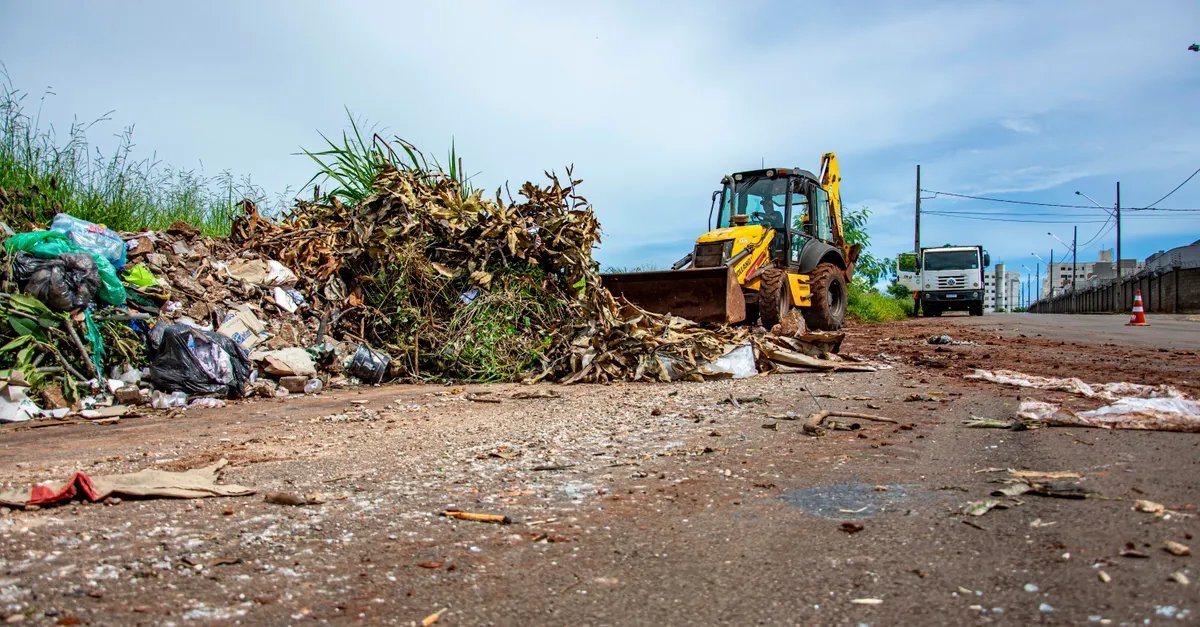
Fined for dumping construction waste at unprescribed places — trucks stealth-dumping rubble on vacant land and canals at midnight. Sounding ‘minor’, this is a heavily penalized environmental violation (maximum organizational fines up to 2 billion VND for illegal waste dumping) under tightening enforcement. This article analyzes handling fines and party liabilities.
Why rubble dumping is heavily fined
Four reasons make unprescribed construction-waste dumping heavily and increasingly fined. One, real environmental impacts: indiscriminate rubble fills canals causing flooding, dumped on farmland destroying cultivability, dust from stealth dumps affecting residential areas — not ‘harmless trash’. Two, deliberate stealth: midnight dumping on others’ land — calculated evasion, not accidents. Three, scale: construction projects generate hundreds or thousands of rubble cubic meters — large-scale stealth dumping causes large consequences. Four, tightening policy: major cities face overloaded landfills, rampant stealth dumping forcing heavier deterrent fines — Decree 45/2022 sets maximum 1 billion VND individual and 2 billion VND organizational fines for illegal waste dumping.
The point surprising many project owners: liability doesn’t stop at ‘stealth-dumping drivers’. Law assigns liability by role: waste generators (project owners/investors) must manage project-generated waste — handing to transporters without checking licenses or tracking dump sites still incurs liability. Stealth-dumping transporters bear direct liability. And dumping on others’ land additionally creates civil liability to landowners (cleanup and restoration compensation). ‘I hired trucks; where they dumped I don’t know’ isn’t exoneration — it’s evidence of unmanaged responsibility.
A dumping-fine mistake is treating construction waste as harmless: dumping xà bần (construction debris) illegally draws heavy fines because the violation is visible, easy to prove, and environmentally harmful — the dumped waste blocks drainage, pollutes land, and signals disregard. The fine is heavy precisely because the violation is blatant. A second error is blaming the contractor; the project owner retains responsibility for waste disposal — delegating the work doesn’t delegate the liability.
Teams ask who is liable when the contractor dumps (the project owner — the waste generator is responsible; the contract with the dumper doesn’t transfer the administrative liability) and what the fine brackets are (check the sanctioning decree — illegal dumping fines scale with volume and location; the brackets are substantial).
Checklist: know the fine brackets, retain owner responsibility, contract waste disposal explicitly, and verify the disposal — the debris is your liability until it’s lawfully disposed.
Red flags of dumping risk: the contractor’s price suspiciously low, no disposal documentation requested, the disposal site never visited, and waste piling up with no transfer records. Each suggests the debris isn’t going where it should — the cheap contractor is cheap because the disposal is illegal.
Teams ask whether to pay more for licensed disposal (yes — the licensed cost is the real cost; the cheap price is the fine in advance) and whether to visit the disposal site (yes — the visit verifies the license and the operation; the unvisited site is a fiction).
Template: the contractor vetting — license, site visit, price reasonableness, documentation commitment. Vetting prevents the fine.
Handling fines: step by step
Step one, pinning down penalized acts: records noting dump locations, volumes, whether waste came from your project (wrongly-blamed cases — other units’ stealth dumps attributed to you — needing proof). Step two, assessing fine levels: reconciling acts against Decree 45/2022 fine frames — checking correct frames and missed aggravating or mitigating circumstances (first-time, voluntary cleanup mitigation). Step three, remediating: cleaning up and transporting stealth-dumped rubble to compliant disposal — fast thorough remediation is both a duty and fine-mitigation.
Step four, disagreeing with penalty decisions: exercising complaint or administrative-suit rights — e.g. overstated volumes, or not being the waste generator. Step five, internally handling transporters: where contracted transporters stealth-dumped — demanding they bear cleanup and fine costs (per contracts), terminating cooperation; where unlicensed transporters were engaged anyway — learning selection-responsibility lessons. Step six, where others stealth-dump on your land (‘implicated’ landowners): reporting to authorities with information (plate numbers, times) for verification — landowners don’t pay fines for dumpers, but must prove non-involvement.
The step-by-step response when fined: first, verify the violation record — location, volume, evidence. Second, assess the fine’s legality — the bracket, the calculation, the procedure. Third, remediate — clean up the dumped waste (the cleanup is usually ordered anyway; doing it promptly helps). Fourth, exercise the right to explain and contest if the fine is wrong. Fifth, recover from the contractor — the indemnity claim against the dumper follows the administrative case.
Teams ask whether to clean up before ordered (yes — voluntary cleanup is mitigation; the ordered cleanup comes with a deadline and supervision) and whether to pay the fine immediately (assess first — pay if correct; contest if wrong; the payment deadline and the contest deadline both run).
Checklist: verify the record, assess the fine, clean up promptly, contest strategically if warranted, recover from the contractor — the response is sequential and documented.
On the cleanup: the ordered cleanup has a deadline and supervision — do it promptly and completely, with photo documentation. The voluntary cleanup before the order is mitigation; the ordered cleanup done well is compliance. Either way, the debris must go to a licensed site — the second illegal dumping compounds the first.
Teams ask whether to hire a supervisor for the cleanup (for large volumes, yes — the supervision ensures the cleanup is complete and documented) and whether the cleanup costs are recoverable (from the contractor — the indemnity claim; pursue it).
Template: the cleanup plan — scope, licensed site, timeline, documentation, supervision. The plan closes the violation.
Prevention: proper construction-waste governance
One, clear transporter and treater contracts: only licensed units, contracts specifying dump or treatment sites (specific licensed landfills), requiring handover records (weighing slips, receiving-landfill confirmations) per trip — ‘no landfill slips, no payment’. Two, monitoring: GPS on rubble trucks (many units now installed), surprise checks, or simply calling receiving landfills to verify. Three, budgeting proper disposal costs from project outset — many owners ‘squeeze’ transport prices so low transporters ‘must’ stealth-dump profitably; compliant disposal is legitimate project cost, not for cutting.
Four, source separation: separating recyclables (steel, wood, plastic) for sale — cutting dump volumes while offsetting costs. Five, for large investors with many projects: unified waste-management procedures, field-officer training, and environmental criteria in contractor evaluations. The lesson: stealth rubble dumping is false ‘economy’ — fines, remediation cleanups and lost reputation cost far more than compliant disposal. In the age of ubiquitous surveillance cameras, midnight stealth dumping is no longer as ‘safe’ as before.
Prevention is construction-waste governance done right: contract the disposal to licensed handlers, require disposal documentation (receipts, manifests), verify the disposal site is licensed, monitor the contractor’s actual disposal, and keep the waste transfer records. The project that documents its debris from generation to lawful disposal never pays the dumping fine.
Teams ask whether to audit the disposal site (yes — periodically; the licensed site’s license should be verified, not assumed) and what records to keep (the waste transfer notes — generator, transporter, receiver, volume, date; the chain of custody for debris).
Checklist: license the handlers, document every transfer, verify the disposal site, monitor the contractor, keep the chain — governed debris is cheap, dumped debris is expensive.
The waste transfer record system: every load — generator, transporter, receiver, volume, date — documented with the licensed site’s receipts. The system needs an owner, a form, and a file. The project that tracks every load never wonders where its debris went.
Teams ask whether electronic records suffice (yes — if they’re complete and retrievable; the form matters less than the completeness) and how long to keep them (at least through the liability period — the records are the defense).
Template: the transfer note — the five fields, the receipt attached, the file maintained. The note is the chain of custody.
Legal bases to keep on file
The situation in this article is governed by the Environmental Protection Law 72/2020/QH14 and Decree 45/2022/ND-CP on administrative environmental penalties (maximum 1B VND individual, 2B VND organizational fines for illegal waste dumping), plus complaint and administrative-procedure law. Verified at time of writing (16/10/2026).
- Pin down penalized acts, volumes and waste generators on records
- Reconcile fines against Decree 45/2022 frames (max 1B individual, 2B organizational)
- Quick remediation — both a duty and mitigation
- Waste generators remain liable despite engaging transporters
- Engage only licensed units, requiring receiving-landfill slips per trip
- Budgeting compliant disposal costs from project outset
Contact FLAT Law Firm
Fined over non-compliant waste dumping? The FLAT Law Firm team, with 30+ years of experience, supports fine assessment, complaints and waste-governance procedures. Contact us for detailed advice.
This article has been quality-reviewed by the FLAW AI Legal Council