
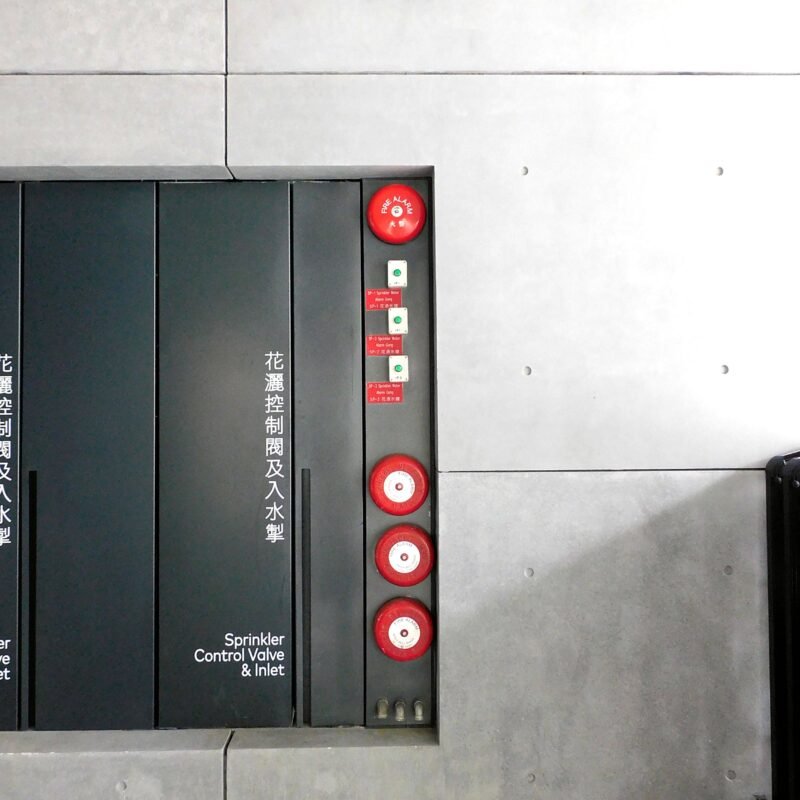
Server rooms cannot use ordinary water sprinklers as the primary suppression line, because water extinguishes fire while destroying the electronic equipment and data the fire system exists to protect. The industry-standard answer is clean-agent suppression: inert gas or chemical gas systems designed to drop oxygen concentration or absorb heat inside a sealed room to extinguish the fire without destroying equipment, paired with very early warning detection using high-sensitivity aspirating smoke detectors. Gas selection and concentration design must follow the design standards accepted in the appraisal file, with calculations for room hold time and safety of occupants during discharge, because clean agents are only safe for people within their design limits.
Why server rooms use clean-agent suppression instead of water
Procedurally, a data center sits in the class of works requiring fire design appraisal before construction under Law on Fire Prevention, Fighting and Rescue No. 55/2024/QH15 and Decree 105/2025/ND-CP: the fire design file covers escape solutions, fire separation between machine rooms and auxiliary areas, detection systems, gas suppression for server rooms, water suppression for remaining areas, and fire power and water reserves. After construction the work must pass fire acceptance inspection before use, and any renovation changing machine-room function, re-partitioning space or replacing the suppression system must return to appraisal for the changed part rather than proceed informally.
The procedure chain: design appraisal, construction, fire acceptance
Two post-acceptance duties are commonly underweighted. First, compulsory fire and explosion insurance: facilities on the lists in the annexes of Decree 105/2025/ND-CP must buy compulsory cover at statutory minimum limits, and a data center with its concentrated asset value should verify its list position rather than assume it sits outside. Second, the inspection and maintenance regime: detection and gas systems must be serviced periodically per regulation and manufacturer files, gas cylinders pressure-tested on cycle, and the on-site fire force trained and drilled on the built fire plan. A gas system past its test date or an escape door blocked by stored goods can turn a perfect acceptance file into criminal exposure when an incident occurs.
Compulsory fire insurance and post-acceptance system maintenance
When diligencing a colocation provider, customers should demand three concrete fire documents instead of a general assurance: the design appraisal letter and fire acceptance minutes for the exact building and floor housing their room, the latest maintenance and testing file for the gas suppression system, and a live fire insurance certificate. These three show a fire system that is actually alive, unlike one existing only on inauguration drawings.
Frequently Asked Questions
What fire suppression must a server room have?
Clean-agent gas suppression for the machine-room area combined with high-sensitivity early detection; auxiliary areas use water systems per the fire design appraised under Law 55/2024/QH15 and Decree 105/2025/ND-CP.
What steps does data center fire acceptance involve?
Fire design appraisal before construction, building and installation to the approved design, testing of detection and suppression systems, then fire acceptance inspection by the police authority before the work is put into use.
Who is liable when a server room burns?
Allocation follows cause and compliance: the facility owner answers for the fire system, its maintenance and on-site force training under fire law; the party whose operating or construction fault caused the fire compensates civil damage, and fire insurance pays within its cover.
Related articles
- Unlicensed Foreign Crypto Exchanges Serving Vietnamese Users: Legal Risks for the Exchanges and Their Users
- FDI Enterprises Accepting Payment in Crypto Assets: Why It Is Not Yet Permitted and Risks When Counterparties Propose It
- Digital Assets as Property Under the 2025 Digital Technology Industry Law: Consequences for Inheritance, Mortgages and Enforcement
- Crypto-Asset Custody and Segregation of Client Assets: Requirements for Service Providers Under the Pilot Framework
- Issuers of Crypto Assets in Vietnam: Issuance Conditions, Prospectuses and Disclosure Duties
This legal analysis has been verified against current Vietnamese regulations and cross-border FDI transaction practices by the attorneys at FLAT LAW FIRM.

