
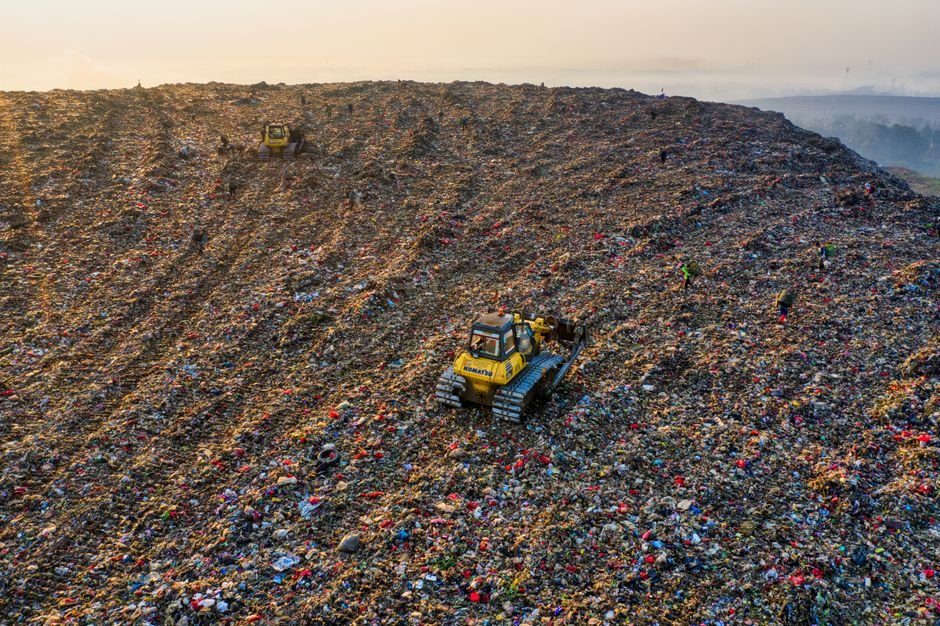
Environmental damage in criminal cases: what is assessed, by whom, and who claims it?
When pollution or environmental destruction also constitutes a criminal offence (e.g. Articles 232–244 or 235–237 of the Penal Code), the environmental-damage claim does not disappear — it is resolved together with the criminal case as a civil matter within criminal proceedings. This article focuses on how environmental damage is assessed: the objects of assessment, who may claim, who organises the assessment, and the special burden-of-proof rule.
Current mechanism: the 2020 Law on Environmental Protection, Chapter X, Section 2 (Articles 130–135) and Decree 08/2022/ND-CP (Articles 113–115). Note at the outset: Decree 03/2015/ND-CP has been repealed by Decree 08/2022/ND-CP — any citation of Decree 03/2015 on environmental-damage assessment is outdated.
Applicable texts: the Law on Environmental Protection as consolidated in 98/VBHN-VPQH (10/4/2026); Decree 08/2022/ND-CP (in force; amended by Decrees 05/2025 and 48/2026); the consolidated Penal Code 135/VBHN-VPQH; the Criminal Procedure Code (latest consolidation, 172/2026/VBHN-LQ-VPQH).
1. Compensation principles — Article 130 of the LEP
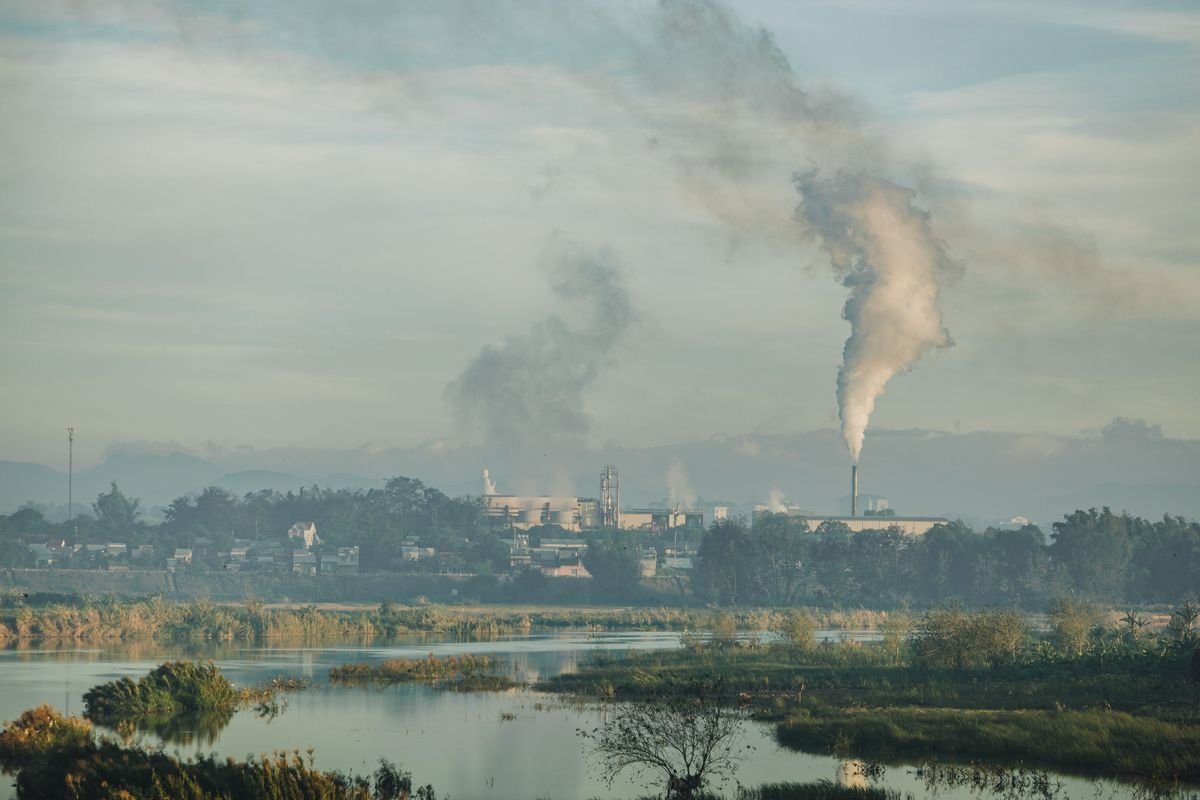
- Organisations and individuals causing environmental damage must compensate the entire damage and pay all costs of damage assessment plus the costs of the compensation-claim procedure.
- Where several parties cause the damage: liability is apportioned according to each party’s share in causing it.
- A party that fully complied with environmental-protection regulations and proves it did not cause the damage is not liable to compensate.
2. Who may claim compensation? — Article 131
- The commune-level People’s Committee for damage within its area;
- The district-level People’s Committee for damage across 02 or more communes;
- The provincial-level People’s Committee for damage across 02 or more districts;
- The line ministry for damage across 02 or more provinces.
The claiming authority organises the collection and appraisal of damage data and evidence and establishes an appraisal council (under Article 114 of Decree 08/2022).
3. What is assessed? — Article 132 and Article 115 of Decree 08/2022
Assessment covers: the scope, area and zone of damage; the quantity of environmental components, ecosystems and species damaged; and the degree of damage.
Objects of environmental-damage assessment (Article 115, Decree 08/2022): surface water and land; terrestrial forest, mangrove, coral reef and seagrass ecosystems; dead species on the priority list of endangered, precious and rare species / Group IB / CITES Appendices.
4. The special rule: reversed burden of proof on causation — Article 133
This is the pivotal principle in environmental disputes: the violating organisation or individual must prove the causal link between its violation and the environmental damage — a reversal of the burden of proof compared with ordinary civil principles.
Resolution order: negotiation → failing that, conciliation, arbitration or the courts.
5. What do compensation costs include? — Article 134
- Immediate and long-term damage from degradation of environmental functions and utility;
- Costs of environmental treatment, remediation and restoration;
- Costs of responding to environmental incidents;
- Costs of damage assessment and the claim procedure.
Compensation is paid directly to the damaged party or into the Environmental Protection Fund (for damage to the environment in general).
Note: damage to life, health or property of individuals and organisations caused by pollution is governed by civil law on non-contractual damages (the Civil Code).
6. The appraisal council — Article 114 of Decree 08/2022
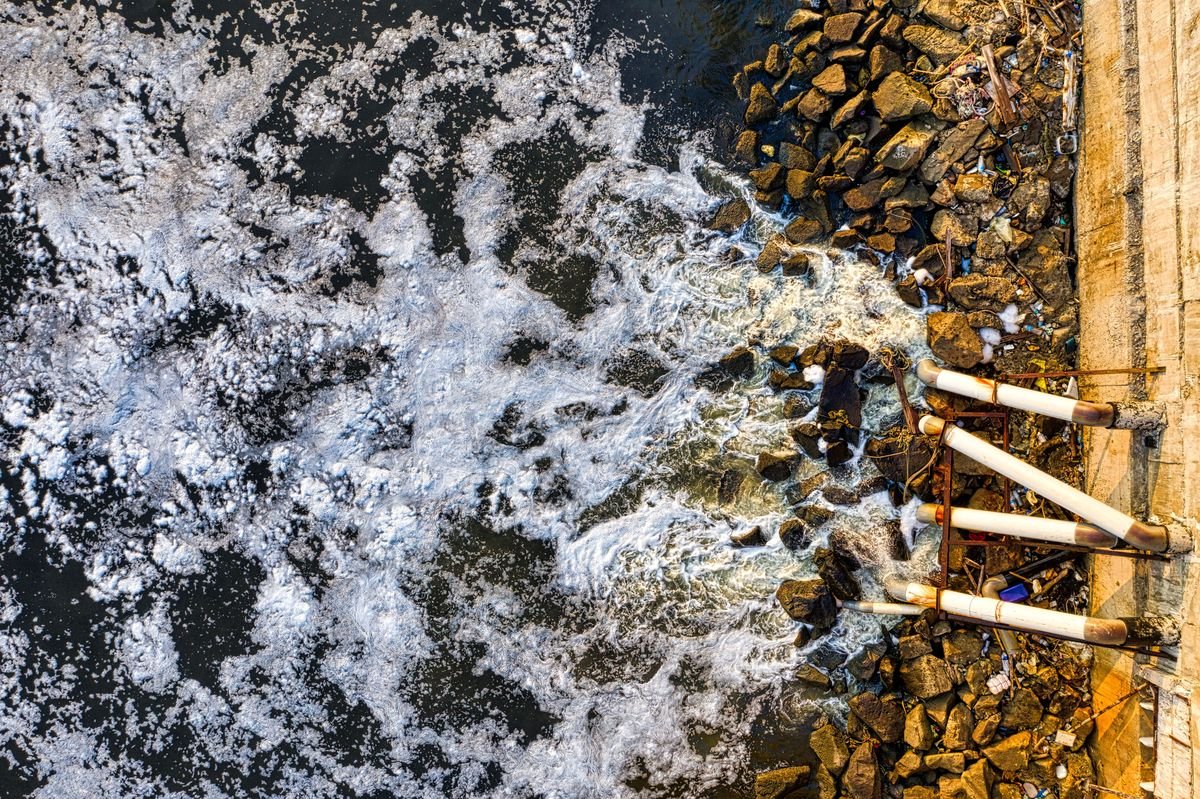
The council appraising environmental-damage data and evidence comprises at least 07 members, including experienced experts in relevant fields. This mechanism safeguards the objectivity and scientific rigour of damage assessment — particularly important when the assessment is used as evidence in a criminal case.
7. How are compensation claims handled in a criminal case?
- Civil matters are resolved together with the criminal case (Article 30, Criminal Procedure Code): victims’ and civil plaintiffs’ compensation claims are decided by the criminal court in the same judgment. A civil matter is separated into standalone civil proceedings only where proof is not yet available and separation does not affect resolution of the criminal case.
- Victims, civil plaintiffs and civil defendants may present evidence and claims on compensation (Articles 62, 63, 64, Criminal Procedure Code).
- The defendant’s voluntary compensation and remediation is a mitigating circumstance — Article 51(1)(b), Penal Code.
- For less serious offences or serious offences committed unintentionally, an offender who has voluntarily compensated, reconciled, and is vouched for by the victim may be exempted from criminal liability (Article 29(3), Penal Code).
In environmental criminal cases, therefore, proactively assessing and compensating damage is both a civil obligation and directly relevant to the defendant’s level of criminal liability.
8. What should companies note?
- Preserve environmental evidence early: monitoring data and waste-treatment operation logs are the basis for proving “full compliance” (Article 130).
- Cooperate with the appraisal council: provide complete data; do not obstruct evidence collection.
- Consider early voluntary compensation: it reduces disputes and counts as mitigation if the matter becomes criminal proceedings.
- Do not cite expired texts: all internal damage-assessment files must drop Decree 03/2015/ND-CP in favour of Decree 08/2022/ND-CP.
Note on authority names: the LEP still refers to the “Ministry of Natural Resources and Environment”; under the current structure these functions sit with the Ministry of Agriculture and Environment.
Need advice on environmental-damage compensation?
FLAT Law Firm advises companies on environmental-damage liability, coordinates damage assessment and protects clients’ interests in proceedings. Contact us at https://flaw.vn/en/contact/.
For reference only; not legal advice.
Transparency: this article is undergoing FLAT Law Firm’s reviewed by the QA Council and has not yet passed the internal QA council.
For reference only, not legal advice. Content quality-checked by the AI Legal Council; not yet reviewed by a human lawyer.