
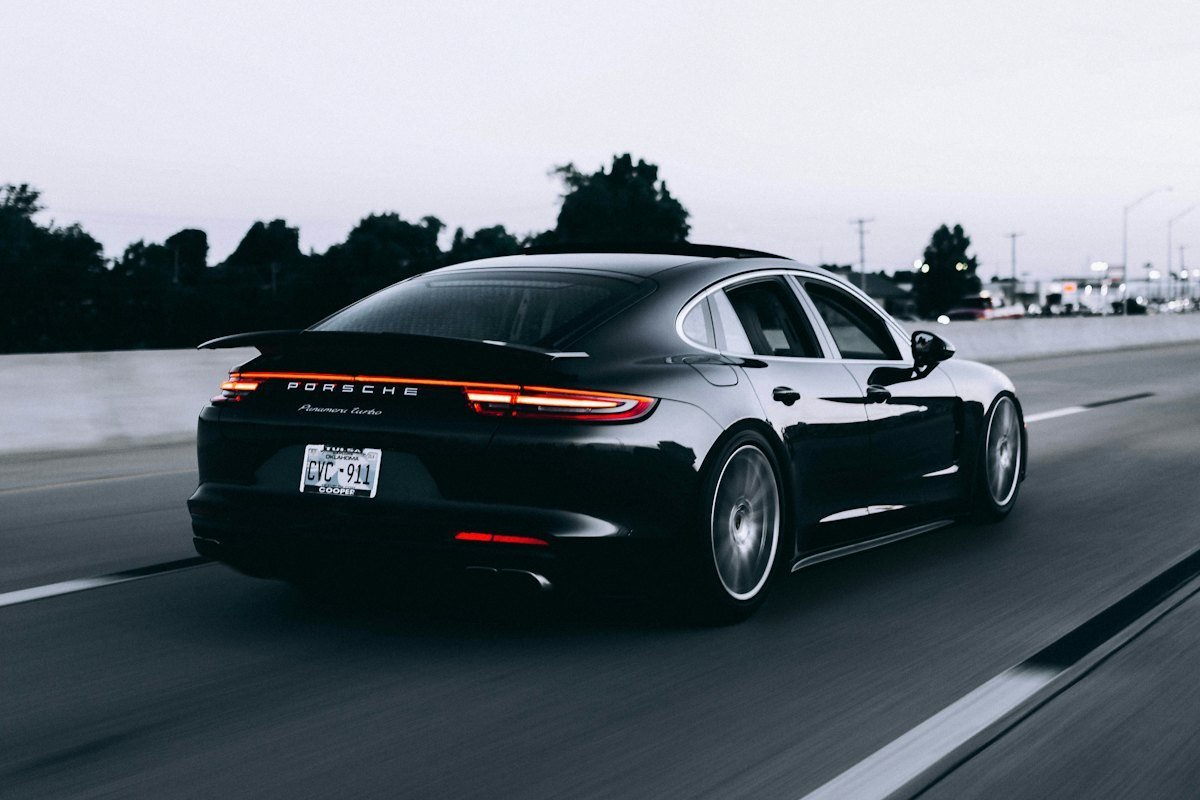
Scenario: a Japanese auto-parts maker wants an 8-hectare plant in Hai Phong to join the supply chain of carmakers producing there, weighing Trang Due Industrial Park against an ordinary park. Do auto parts count as supporting industry for incentives?
Auto parts: the incentive door through supporting industry
The Law on Investment 143/2025/QH15 (effective 1 March 2026, replacing Law 61/2020/QH14) provides in Articles 15 and 16 the incentive forms: corporate income tax, land-rent and land-use-fee exemptions or reductions, and investment support. The Law on Corporate Income Tax 67/2025/QH15 (effective 1 October 2025) sets the standard 20% rate; 15% for annual revenue up to VND 3 billion, 17% for revenue over VND 3 billion to VND 50 billion; encouraged-sector projects — including supporting industry — qualify for 10% over 15 years, a four-year exemption and a 50% reduction of payable tax for nine further years.
Supporting-industry products — including qualifying automotive components and parts — sit on the encouraged list in Decree 31/2021/ND-CP (still cited until replaced). The key distinction: manufacturing components (supporting industry) differs from pure vehicle assembly or trading — the investor must pin down the project’s true nature. Decree 103/2024/ND-CP governs land-rent relief; since Law 67/2025, a park location no longer automatically confers tax incentives.
Hai Phong: the auto-manufacturing ecosystem multiplier
Hai Phong is a major auto-manufacturing hub with carmakers and parts suppliers clustered around Trang Due Industrial Park. A components project meeting supporting-industry criteria — if certified — enjoys the 10%/15-year, four-year-exempt, nine-year-half-rate frame on parts-manufacturing income, plus land-rent relief under Decree 103/2024.
Hai Phong’s non-tax edge is the supply chain: proximity to assembly plants, seaport access for importing components and exporting finished goods, and deep technical labour pools. Comparing Trang Due with an ordinary park, weigh intra-regional logistics costs and the depth of supply-chain integration — factors as decisive for long-run returns as tax incentives.
Choosing the tier, and the global minimum tax warning
Article 15 of the Law on Investment bars two same-type tax incentives at the same time; the investor picks the most favourable tier. A qualifying auto-parts project takes one best tax frame on parts-manufacturing income, then layers the different types: tax, land rent, support.
The mandatory warning for global auto groups: under Resolution 107/2023/QH15 and Decree 236/2025/ND-CP, the minimum top-up tax applies from 1 January 2024 to groups with consolidated revenue above EUR 750 million — a bar most global carmakers and tier-1 suppliers clear. A low Vietnamese rate may trigger top-up tax at group level. Structure incentives around land-rent relief and non-rate support as well.
Checklist for an auto-parts project
Confirm the products sit on the supporting-industry list and meet the criteria; map against Appendix II of Decree 31/2021; compare Trang Due with ordinary parks on total after-tax cost and supply-chain advantage; lock land-rent relief under Decree 103/2024; assess the global minimum tax at group level; record incentives in the Investment Registration Certificate.
1. Is auto-parts manufacturing supporting industry?
Potentially, if the criteria are met. Supporting-industry products — including qualifying auto components and parts — are encouraged; pure assembly or trading is not.
2. How do assembly and parts differ on incentives?
Parts manufacturing is supporting industry (encouraged); vehicle assembly and distribution are not in that group. Each activity takes its own frame.
3. What does Trang Due add over an ordinary park?
Trang Due plugs into the auto-manufacturing ecosystem: near assembly plants, seaport and technical labour — supply-chain advantage alongside the sector tax frame.
4. What should a global auto group note on the minimum tax?
Most carmakers and tier-1 suppliers exceed EUR 750 million in consolidated revenue, so top-up tax applies from 1 January 2024; a low rate may trigger additional tax.
5. Is export parts income incentivised?
Yes, if the parts manufacturing meets supporting-industry conditions. The consumer market (domestic or export) is not an incentive criterion.
This article has been quality-reviewed by the FLAW AI Legal Council