
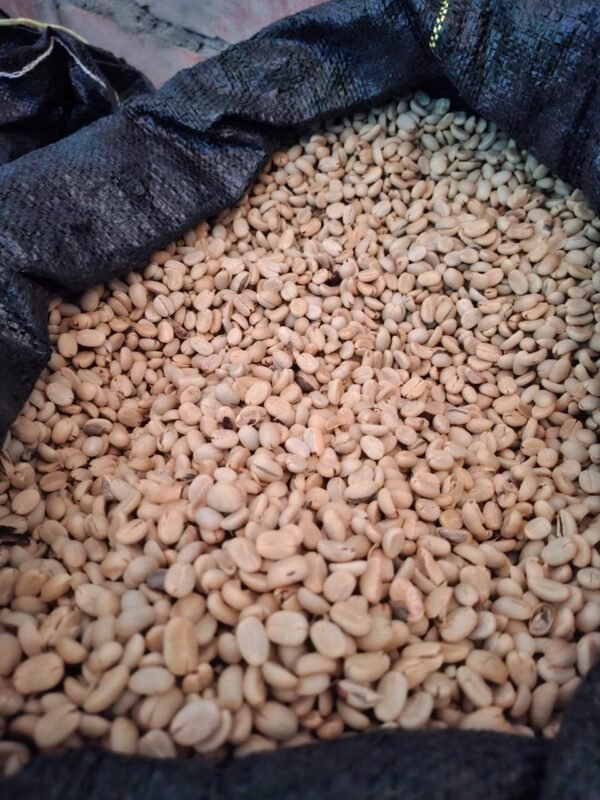
Phu Quoc fish sauce, Buon Ma Thuot coffee — two names commanding far higher prices than no-name equivalents. The premium comes not from prettier bottles but from protected geographical indications: consumers pay for reputation tied to a land. For Vietnamese farm produce, intellectual property is not a tech-company matter — it is a pricing tool.
What is new: Law 131/2025 amending the IP Law
Law 131/2025/QH15 amending the Law on Intellectual Property takes effect 01/4/2026 (not 01/01/2026 as some sources misreport). Two agri-relevant highlights: Article 4 confirms rights in plant varieties as IP subject matter — strengthening protection for breeders; and new Article 8a on IP exploitation, giving a clearer basis for commercializing, assigning, or contributing IP rights as capital. Agri-businesses holding IP assets should review protection and exploitation strategies under the new framework.
Agri-brands: register early, classify correctly
Trademarks are the most common tool: brand names, logos, distinctive packaging of farm produce. For regional specialties, effective models are collective marks (owned by cooperatives or industry associations — members use them under regulations) or certification marks (the owner certifies quality or origin for others’ use). Common mistakes: registering only the company name while forgetting the product name; or filing in the wrong goods/services classes so protection misses the actual business.
Geographical indications: a land’s reputation
Geographical indications protect product names whose quality or reputation links to a region’s geographical factors (natural and human) — like Phu Quoc fish sauce or Buon Ma Thuot coffee. The core condition: proving the link between quality/reputation and geographical conditions, with management regulations and use control. GIs are state-owned, administered by representative organizations — local producers may use them when meeting conditions; nobody can monopolize one. Misusing a GI (applying the name to products from elsewhere) is punishable.
Enforcement: from market to border
A certificate is only half the journey. Enforcement means: market monitoring, requesting action against infringements (counterfeit brands, GI abuse) via market-surveillance and specialized inspectorates; and customs border-control measures for imports/exports showing IP-infringement signs. For exports, consider protection in destination markets too — a Vietnamese trademark is not automatically protected abroad.
Frequently Asked Questions
1. How do collective marks differ from geographical indications?
A collective mark is owned by an organization (cooperative, association); members use it under regulations. A GI is state-owned; any qualifying local organization or individual may use it. One specialty product can carry both layers of protection.
2. How is a newly bred plant variety protected?
By plant-variety rights — IP subject matter confirmed in Article 4 of the IP Law (as amended by Law 131/2025/QH15). Certificate holders exclusively produce and trade propagating material during the protection term; commercial propagation by others needs permission.
3. Where to act against counterfeit agri-brands?
Request administrative action by market-surveillance authorities or science-technology inspectorates; sue civilly for damages; for imports/exports, ask customs for border-control measures. Gather infringement evidence (samples, invoices, ads) before complaining.
This article has been quality-reviewed by the FLAW AI Legal Council