
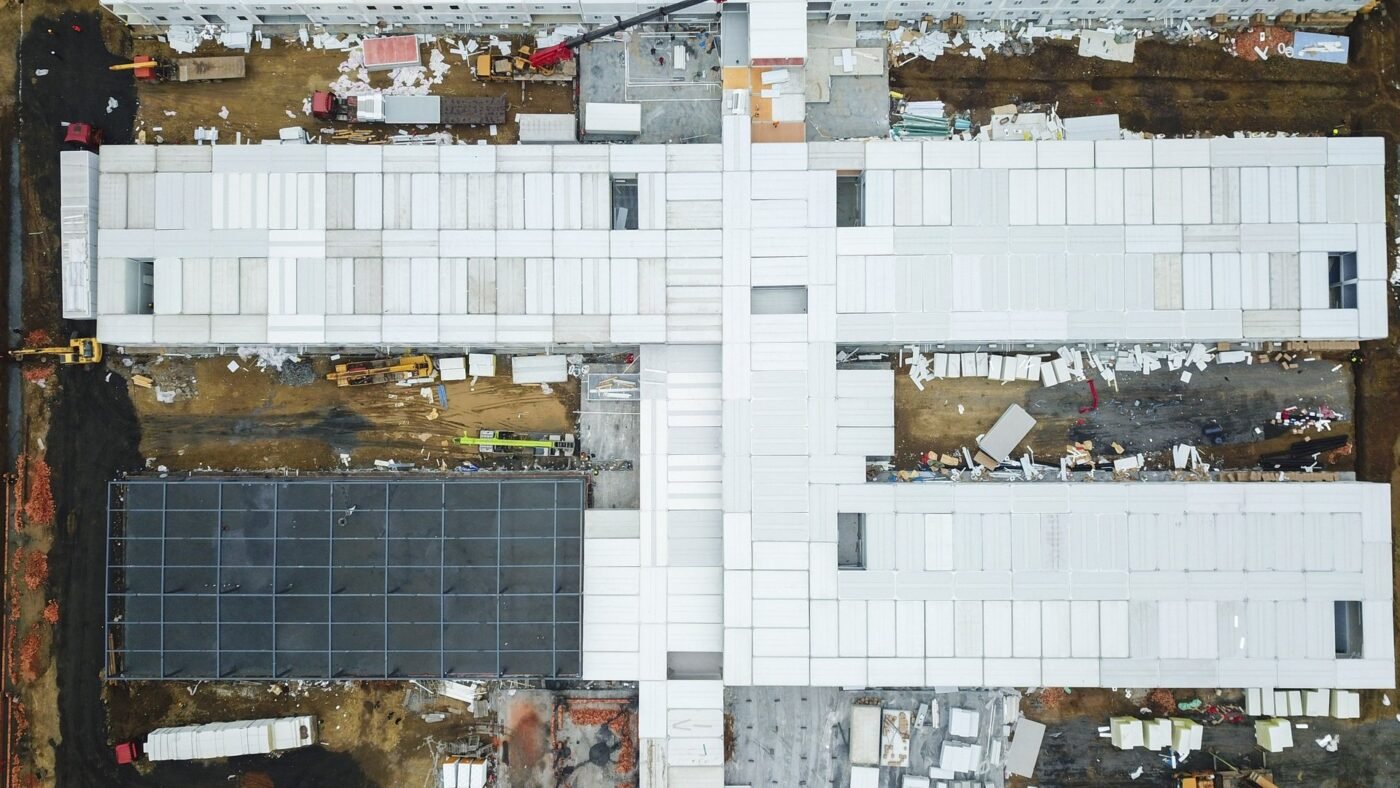
Siting a data center is nothing like siting a factory: cheap land far from submarine cable routes, inside a flood zone or short on power capacity will kill the project slowly in operations however perfect its legal paperwork is.
Legal basis to know
Land law for data centers follows the general frame of the Land Law 31/2024/QH15: investors typically sublease land in an industrial park or hi-tech park from the infrastructure investor, with the lease term tied to the investment project’s term under the Investment Law 143/2025/QH15. The law issues no separate location licence for data centers; instead, site suitability is verified through planning, environmental impact assessment, power and water connection agreements and fire safety appraisal. Three infrastructure belts decide whether a site works: stable large-capacity power, multi-route fiber connectivity and good drainage terrain.
How this applies in practice
On fiber, a data center serving international customers needs low latency to international connection points, so distance to cable landing stations and the number of independent cable routes are hard criteria, not bonuses. On flooding, assessment must rest on flood maps and design ground elevation rather than the seller’s verbal assurances; many operators raise server hall floors and place critical equipment at safe elevation as a physical insurance layer. Cheap land far from infrastructure is usually fully eroded by the cost of pulling in private power and fiber within the first operating years.
What to do now
- Score sites on four mandatory criteria: feasible power capacity, number of independent fiber routes, anti-flood elevation and distance to target customers.
- Require the industrial park infrastructure investor to provide documents on power and water planning and confirmation that the land use purpose fits the project.
- Write infrastructure conditions precedent into the land lease: if power or fiber connection misses the committed milestone, the investor may withdraw.
Frequently Asked Questions
Where should a data center be located?
A good data center site combines four factors: large and stable power supply, at least two independent fiber routes, high non-flooding terrain and a reasonable distance to the main customer base; missing any one of them, remediation costs usually far exceed the land price saving.
Must it be near submarine cables?
No rule forces a data center to sit near a submarine cable landing station, but for customers needing low latency and international connectivity, distance to cable connection points decides service quality; this is a hard commercial condition, not a legal one.
How is flood risk handled?
Flood risk is handled in three layers: choose land outside flood zones per planning maps and historical data, design the ground and server hall floor above the calculated water level, and place critical equipment, generators and fuel storage at safe elevation with backup drainage.
What about land prices?
Data center land should not be compared by unit price per square metre alone: the cost of pulling in large power, private fiber and connection waiting time must be added into total site cost; land in industrial or hi-tech parks with ready infrastructure is usually cheaper overall despite a higher unit price.
Related articles
- Entertaining Public Officials Scrutinized in State Audit: Compliance
- Internal Whistleblower Report: Protecting the Reporter
- Internal Investigation Finds Fraud: Report to Police?
- Director Travel-Banned During Investigation: Running the Company
- Company Faces Criminal Liability: Penalty Framework for Legal Entities
This legal analysis has been verified against current Vietnamese regulations and cross-border FDI transaction practices by the attorneys at FLAT LAW FIRM.

