
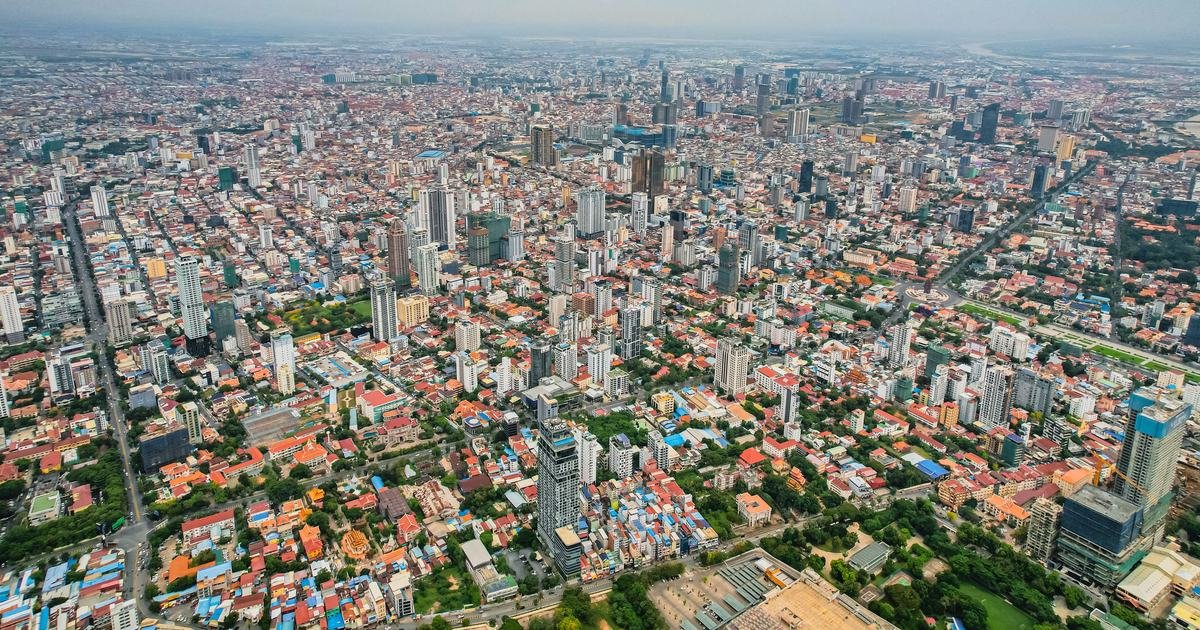
Buying cheap agricultural land then converting to production/business use — a familiar investor scenario. But land use conversion is a tightly-conditioned procedure: one wrong step and the dossier is returned; correct procedure without budgeting land use fees, and the project overruns.
This checklist follows the Land Law 2024 (effective 01/8/2024).
Table of contents
- 1. Which cases need permission?
- 2. The prerequisite: planning
- 3. Financial obligations: land use fees
- 4. Attachment to the investment project
- 5. Six-step procedure
- 6. Common risks
- Q&A
1. Which cases need permission? {#s1}
Under Article 121 of the Land Law 2024, some land use conversions require competent authority permission — typically:
- Agricultural to non-agricultural land;
- Non-agricultural non-residential to residential land (special cases).
Typical FDI cases (agricultural → production/business land for factories, warehouses) all require permission. Not every conversion needs it, but investor scenarios almost always do.
2. The prerequisite: planning {#s2}
Under Article 122 of the Land Law 2024, conversion conditions include conformity with approved land use plans and planning.
Planning is the "first gate":
- Land outside the plan for the new purpose → the dossier cannot proceed;
- Check planning before buying/leasing land — don't buy first and ask later;
- Plans can be adjusted, but plan adjustment is a long story — don't bet the project on it.
3. Financial obligations: land use fees {#s3}
When converting to production/business land, land users must pay land use fees / land rents; prices follow land price tables issued by provincial People's Committees.
Reality:
- Conversion fees are usually the largest cost in the deal — sometimes exceeding the original agricultural land price;
- Provincial tables differ and are periodically adjusted;
- Budget in advance — the "cheap land, expensive conversion" scenario is very common.
4. Attachment to the investment project {#s4}
Foreign-invested economic organizations are leased land by the State for investment projects. Consequences:
- Conversion must attach to an approved project (investment policy approval / Investment Registration Certificate);
- "Reserve" conversion before finding a project is not possible;
- Post-conversion land use must match project objectives.
5. Six-step procedure {#s5}
- [ ] Step 1 — Check planning: compare approved local land use plans;
- [ ] Step 2 — Prepare dossiers: conversion application, land use certificate, investment project dossier, investor legal documents;
- [ ] Step 3 — Submit: to the competent authority (per decentralization);
- [ ] Step 4 — Appraisal: functional agencies appraise and consult stakeholders;
- [ ] Step 5 — Decision: land use conversion permission decision;
- [ ] Step 6 — Financial obligations: pay land use fees/rents; receive updated land use certificate.
6. Common risks {#s6}
| Risk | Prevention |
|---|---|
| Buying land before checking planning | Planning check is step 1, before any financial commitment |
| Not budgeting land use fees | Budget per provincial land price table before deciding |
| Conversion detached from project | Complete policy approval/IRC before or in parallel |
| Dossier returned for missing documents | Prepare document checklist per local guidance |
| Boundary and title disputes | Survey, verify certificates and dispute status before buying |
—
Q&A {#faq}
Q: Does land use conversion require permission?
A: It depends. Under Article 121 of the Land Law 2024, some conversions require competent authority permission — typically agricultural to non-agricultural land (production, business, residential). Typical FDI cases require permission.
Q: What is the most important condition for conversion?
A: Conformity with approved land use plans and planning (Article 122 of the Land Law 2024). This is the prerequisite — land outside the plan for the new purpose cannot convert. Check planning before buying/leasing.
Q: Does conversion require payment?
A: Yes. Converting to production/business land requires land use fees/rents; prices follow provincial land price tables. This is usually the largest cost — budget in advance.
Q: Can FDI investors convert agricultural land?
A: In principle yes, if conditions are met (planning, competent authority permission, financial obligations) and attached to an approved investment project. "Reserve" conversion is not possible.
Q: What are the conversion steps?
A: Six steps: (1) check land use plans; (2) prepare dossiers (application, land use certificate, investment project…); (3) submit to competent authority; (4) appraisal and consultation; (5) conversion permission decision; (6) pay land use fees/rents and receive updated certificate.
—
This article is general legal information and does not replace legal advice for any specific matter.
Need a lawyer for land use conversion — planning checks? Contact FLAT Law Firm — we conduct land legal due diligence and handle full procedures for FDI investors. Hotline: 0988424851.
<div class="jpv-language-links" lang="en"> Language versions: <a href="https://flaw.vn/checklist-chuyen-muc-dich-su-dung-dat-fdi/">Tiếng Việt</a> · <a href="https://flaw.vn/zh/tu-di-yong-tu-bian-geng-he-cha-qing-dan/">中文</a> </div>


