
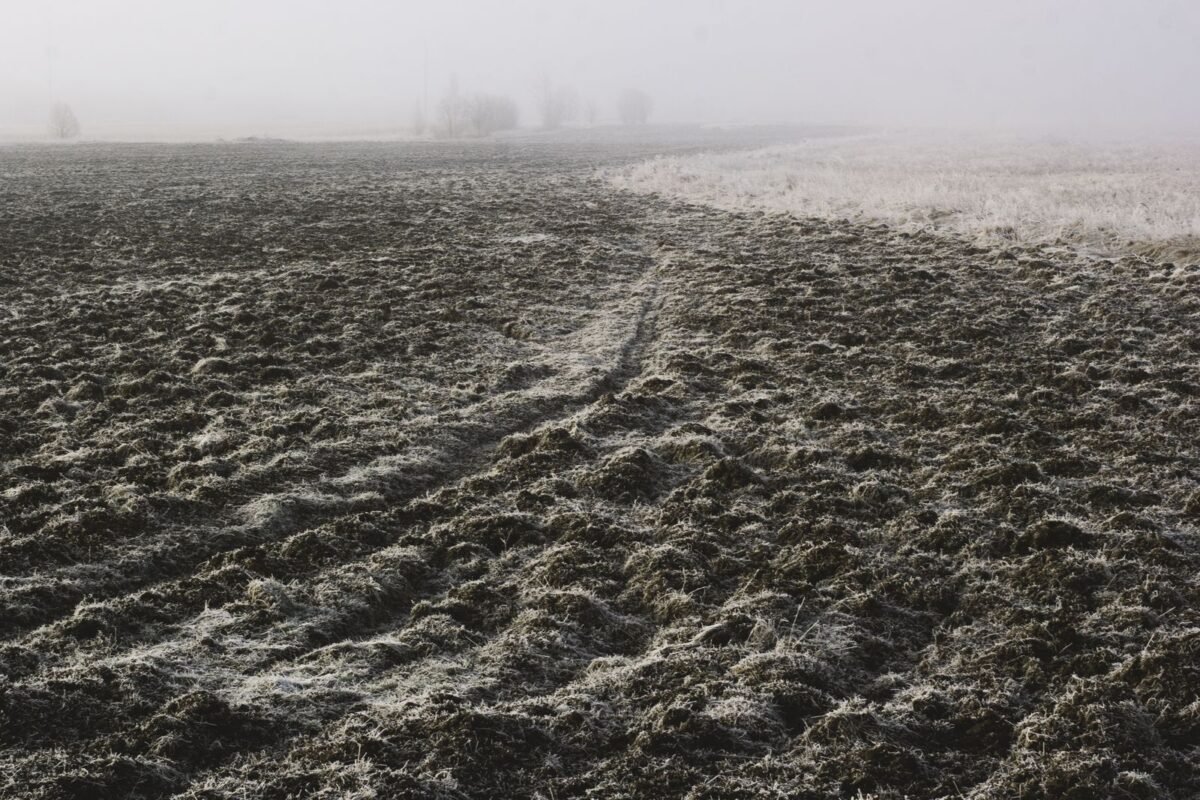
Pending zoning is the state where the map changed colour long ago but the excavators never arrive. The investor leased land sits inside an area slated for recovery for a public or another project, the certificate still bears the investor name, rent is still paid on schedule, yet no bank will take a mortgage over it and no partner will sub-lease a site that may be recovered tomorrow. Ten years is more than enough reason for an investor to reach for legal tools instead of continuing to wait passively.
The anti-freeze mechanism in Land Law 2024 and how to trigger it
The Land Law 31/2024/QH15 places a direct stopper on freezing at the annual land use plan level: for land area recorded in a district-level annual land use plan as subject to recovery or purpose conversion, if after two years no land recovery decision has been issued and no purpose conversion permitted, the authority that approved the plan must adjust or cancel that area and publish the adjustment or cancellation. The legal effect of cancellation is that the zoning-linked restrictions on that area fall away with it, and the land user rights are restored in full under the new planning position.
That stopper does not trigger itself in administrative practice. The investor must actively do three things: obtain written confirmation of the planning and land use plan status of the plot from the natural resources and environment authority and the competent people committee; measure the two-year mark from the relevant annual plan; and file a formal petition seeking adjustment or cancellation of the frozen zoning, attaching a full damage file. A petition with figures and a specific legal basis carries entirely different weight from a general plea, and it generates the official reply that grounds the next complaint step if the authority stays silent or refuses.
While frozen: which rights does the investor still hold
Until a recovery decision exists, the investor remains the lawful land user with the rights the law and the land lease confer, including continued use for the registered purpose, transfer of the land use right or sub-leasing within the limits of the lease type and the lease contract, mortgage with credit institutions and capital contribution with the land use right where conditions are met. The frozen part sits mainly in construction: permits for new building or major renovation inside unimplemented zoning are restricted under construction management rules tied to planning, which is why factory expansion projects on frozen land usually stop at the construction permit desk rather than at the land desk.
On transfer, commercial honesty is required: an intact transfer right on paper does not mean a buyer exists. A buyer diligence exercise will price the plot on a recovery scenario, and that discount is the real economic damage of pending zoning even if the investor never sells. Recording that damage through independent valuations at two points in time is the preparation needed both for negotiation with the authority and for any later litigation route.
When recovery finally comes and when the authority does not answer
If the project finally proceeds and the state issues a recovery decision, the relationship moves into the compensation chapter of the Land Law 31/2024/QH15: compensation for land at the specific land price decided at the time of recovery, compensation for houses, works and land-attached assets, and support amounts for the specific project category. For annually rented land inside an industrial park, the compensation structure differs from allocated land with a land use levy paid, so the investor should review the lease and the investment made on the land as soon as a recovery notice appears, not after the compensation plan is already drafted.
Where the authority does not answer a petition or answers unsatisfactorily, the investor has two formal routes under the Law on Complaints 02/2011/QH13 and administrative procedure law: an administrative complaint to the person competent to resolve it, within ninety days of receiving the relevant decision or reply, or an administrative lawsuit asking the court to review the legality of the decision and administrative act. For a foreign investor, neither route excludes the consultation channel through the investment authority and business associations, which in many Vietnamese pending-zoning cases is what actually produces movement.
Frequently Asked Questions
How long can a suspended zoning plan remain before it must be cancelled?
Under the Land Law 31/2024/QH15, for land recorded in a district annual land use plan as subject to recovery or purpose conversion, if after two years no recovery decision has been issued and no conversion permitted, the plan-approving authority must adjust or cancel that area and publish it. Zoning left unimplemented for ten years is far beyond that mark; the investor should obtain written confirmation of the zoning status and file a petition for adjustment or cancellation instead of waiting for the authority to review on its own.
Is compensation available?
Pending zoning by itself does not generate compensation, because no recovery decision exists yet. Compensation arises only when the state actually recovers: land compensation at the specific land price at recovery time, compensation for houses, works and land-attached assets, plus support amounts under the Land Law 31/2024/QH15. Economic damage during the freeze, such as lost transfer opportunities or refused mortgages, has no direct compensation mechanism and is mainly addressed through petitions to lift the zoning or policy negotiation.
Can the land be transferred?
Yes, as long as no recovery decision exists and the transfer meets the conditions of the land lease type and the lease contract terms, for example lump-sum rented land with remaining term that is not under a transfer ban. The practical limits sit on two sides: new construction inside frozen zoning is restricted under planning-based construction management, and buyers will discount the price for recovery risk, so the legal right to transfer survives intact while its realisable value is eroded by the freeze itself.
Who can a complaint be filed with?
Follow the Law on Complaints 02/2011/QH13 sequence: a first complaint to the body or person that issued the decision or document on the planning and land use plan for the plot, usually the people committee competent to approve the plan; if dissatisfied with the outcome, a second complaint to the direct superior or an administrative lawsuit in court. The complaint time limit is ninety days from receiving the decision or learning of the administrative act complained of. In parallel, petition through the investment authority to build policy pressure.
Related articles
- Leasing Land and Factories in Industrial Parks in Vietnam
- Land Use Fee Clawed Back for Unauthorized Purpose Change: Fix
- Land Rent Recalculated 3x Under New Price Table: Appeal Playbook
- Commentary on the Land Law 2024: Key Chapters for Foreign-Invested Projects
- Land Disputes: Court vs Administrative Resolution
This legal analysis has been verified against current Vietnamese regulations and cross-border FDI transaction practices by the attorneys at FLAT LAW FIRM.

