
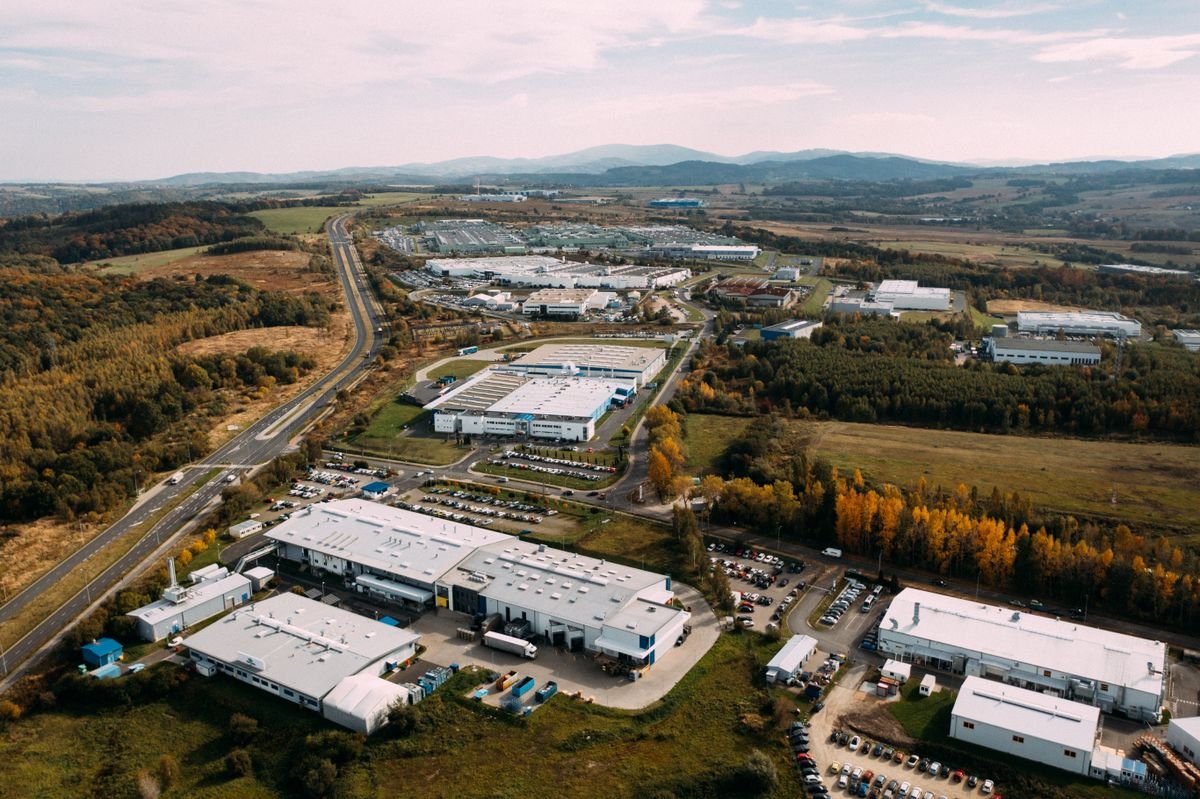
An industrial park price list usually prints one big number — the land sublease rent per m2 for the whole term — while the project’s real cost is the sum of five or six different fee lines running for decades. Misreading the price list is the most common site-comparison error: a park with low rent is not necessarily cheaper than a park with higher rent but low, stable service fees. This article breaks down each line of a developer price list under the Article 202 framework of Land Law No. 31/2024/QH15.
1. Line 1 — sublease rent: ask three questions
The sublease rent is what you pay the infrastructure developer to use the plot for the sublease term. Three questions must be asked: (i) payment form — one-off for the whole term or annual (under clause 3 of Article 202, the sublease form is bound by the form under which the developer leases from the State; one-off and annual prices cannot be compared directly without converting to a common basis); (ii) whether the unit price includes value added tax and amounts collected on behalf; (iii) for annual payment, the adjustment mechanism and cycle — many parks adjust every 5 years in line with State land rent changes or an agreed index. When comparing two parks, convert all rent to present value over the same project term; never compare nominal unit prices.
2. Line 2 — management and infrastructure usage fees
This is a recurring charge (usually per m2 per month or per year) for operating common infrastructure: internal roads, lighting, security, landscaping and maintenance. Read carefully: this fee is separate from the sublease rent and almost always carries periodic escalation — ask for the park’s adjustment history over the past 5–10 years and the cap per adjustment. Some parks bundle management and major maintenance into one “infrastructure fee”; others split major repairs into separate incident charges. Clarify which services are included and which are charged separately (waste collection, enhanced security, out-of-hours infrastructure use).
3. Line 3 — wastewater treatment fees and utility service prices
Wastewater fees are usually charged by volume (m3) with a conversion ratio from water supply (commonly a percentage of water consumed) and by influent pollution level: wastewater must be pre-treated to the common system’s intake standard (commonly column B of the applicable environmental regulation) — exceeding the standard draws penalty coefficients or refusal of acceptance. Electricity inside a park is usually the State retail tariff for production plus an internal transmission service fee if any; water follows the supplier’s tariff plus the park’s service fee. These lines move with State pricing policy — the contract should state a transparent pass-through principle rather than nominal fixed prices that invite disputes.
4. “Hidden” lines and how to close the total-cost calculation
Beyond the three main lines, scan for: initial connection fees (power, water, drainage hook-ups), deposit and refund conditions, contract assignment fees when transferring the project, dismantling/site-restoration costs at exit, and especially the financial obligations “underneath” the contract: whether the developer is in arrears on its own land rent to the State (an indirect risk to subtenants if the developer is sanctioned). The right comparison is total site occupancy cost over the whole project term (rent + all recurring fees converted + connection costs + exit costs), divided by area and years — only that number tells you which park is truly cheaper.
Frequently asked questions
Does the listed sublease rent already include the land rent payable to the State?
The rent you pay the developer is a commercial price that already embeds the developer’s input land cost; you do not pay land rent directly to the State for the sublet area. But management fees, wastewater charges and utility prices are separate lines — all must be added to reach the true cost.
Are infrastructure management fees capped by the State?
Management and infrastructure service fees inside a park are contract prices agreed with the developer; there is no unified State tariff as there is for electricity. The tenant’s only protection is the contract clause set: adjustment formula, cycle, increase cap and the right to inspect the basis for increases.
Park A quotes 20% lower rent than Park B — is A certainly cheaper?
Not necessarily. Add management fees, wastewater charges at your plant’s expected output, utility service prices and connection fees, then convert to total cost over the whole project term. In many cases the “expensive” park on rent is cheaper in total because its service fees are low and stable.
Should we ask the developer for prices actually applied to current tenants?
Yes. Published prices and prices actually signed with in-park tenants can differ by timing and plot size. Ask for the reference price of a comparable plot signed most recently, plus a commitment on the fee adjustment policy — this is legitimate negotiation information and the basis for fixing the price clauses in the contract.

