
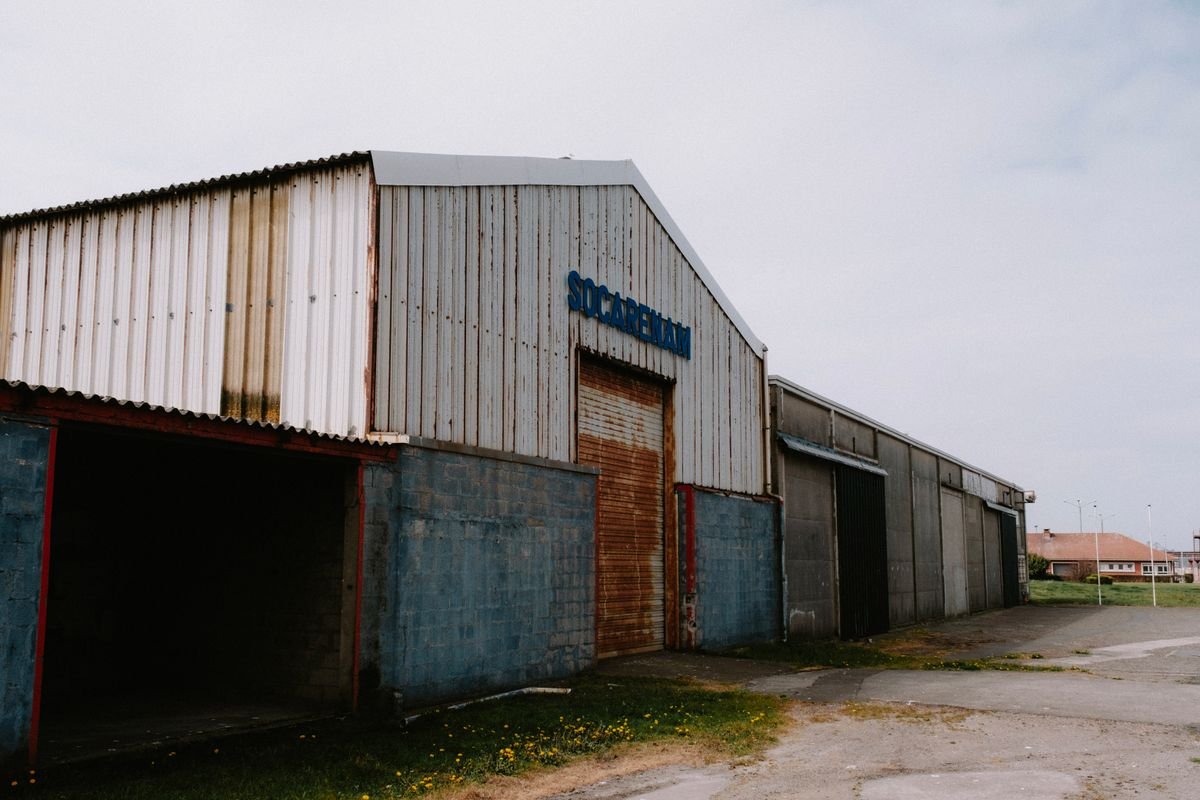
Many industrial parks market land while infrastructure is only partly complete: internal roads unfinished, the substation not yet installed, and above all the central wastewater treatment plant not yet operating. The rent looks more attractive than in a finished park, but that price gap is precisely the price of schedule risk — unmanaged by contract, the investor pays for it with dead project time. This article identifies the real risks and the matching prevention mechanisms.
1. Risk 1 — land handed over, but you cannot build or operate
Handover only means something when paired with usability: construction and production power at the right capacity, water supply, container-truck roads, and drainage. The deeper legal risk is environmental: a plant subject to an environmental licence under the Law on Environmental Protection 72/2020/QH14 may discharge only with compliant treatment works — if the park’s central wastewater plant is not operating, the enterprise either cannot get its discharge into the common system approved, or must self-invest in full treatment at unbudgeted cost. Likewise, fire-protection acceptance under Law No. 55/2024/QH15 on fire prevention, fighting and rescue ties into the park’s fire infrastructure (pump stations, water tanks, fire-truck roads) — without it, your own compliant works still struggle to complete acceptance for use.
2. Risk 2 — the project schedule clock keeps running
The schedule for bringing land into use is the investor’s obligation toward the State and the infrastructure developer; delay caused by the park’s infrastructure does not automatically excuse the obligation unless the contract records it. Toward the State, a project falling behind its investment document schedule must adjust the schedule under investment rules; toward the park, many subleases carry penalties if the tenant does not build to the committed schedule. If the delay’s cause is unready infrastructure, the investor needs documentary evidence (condition minutes, the developer’s notices on infrastructure progress) and a contract clause pushing construction milestones back by the infrastructure delay — otherwise you bear sanctions for the other party’s fault.
3. Prevention in negotiation and contract
Four standard mechanisms: (i) conditions precedent and phased handover — the rent obligation starts only when essential infrastructure reaches a defined milestone (power connected at full capacity, water, roads, wastewater intake point); before that milestone only a place-holding deposit is paid; (ii) an infrastructure roadmap with dated milestones in a contract annex, with rent/fee reductions per delay period and a termination right plus refund of amounts paid if delay exceeds a threshold (for example 6–12 months, as negotiated); (iii) retention or security — pay one-off rent in tranches matching actual infrastructure progress, never fully upfront for an unfinished site; (iv) a substitution right — the right to switch to another plot with completed infrastructure in the same park at the same price terms if the chosen plot overruns its deadline.
4. Field diligence before signing
Before paying a deposit, require and verify: the developer’s land lease decision and its financial-obligation progress with the State; the approved 1/500 detailed planning and infrastructure construction permits (where applicable); acceptance minutes for each completed infrastructure item; the power utility’s written capacity confirmation and the water supply plan; and the park’s environmental file (the infrastructure project’s environmental impact assessment/environmental licence, including the wastewater plant schedule). A park still in its infrastructure investment phase is an acceptable transaction for an experienced investor — provided the price truly reflects the risk and the contract puts schedule risk on the party that causes it.
Frequently asked questions
Should we sign a sublease when the park has no central wastewater plant yet?
Only if your production generates little or no production wastewater, or the contract binds the plant’s completion milestone tightly with an exit right. Sectors with significant production wastewater (dyeing, plating, food) should not sign before the central plant actually operates — the risk of being unable to discharge lawfully means a finished factory still cannot run.
Can rent already paid for the period of unfinished infrastructure be recovered?
It depends on the contract terms. If the contract runs rent from site handover without an infrastructure condition, recovery is very difficult. This is why conditions precedent and a rent-reduction mechanism tied to infrastructure delay must be written into the contract before signing — after signing, the tenant’s negotiating position is nearly gone.
How do we verify the developer’s committed infrastructure progress is real?
Cross-check three sources: legal records (item-by-item acceptance, documents of the industrial park management authority — the Management Board — on the infrastructure project’s investment progress), third-party confirmations (the power utility on capacity and connection schedule; the water supplier), and a recorded field survey. Verbal commitments or sales-brochure statements carry no evidentiary weight in a dispute.
Will the State sanction our project schedule if the park’s infrastructure delays us?
The investment registration authority monitors progress under the investment document; delay from objective causes in the park’s infrastructure is a basis for adjusting the project schedule when the investor proactively reports with evidence. The danger is staying silent past the milestone: notify in writing as soon as infrastructure progress is seen to affect your project schedule.

