
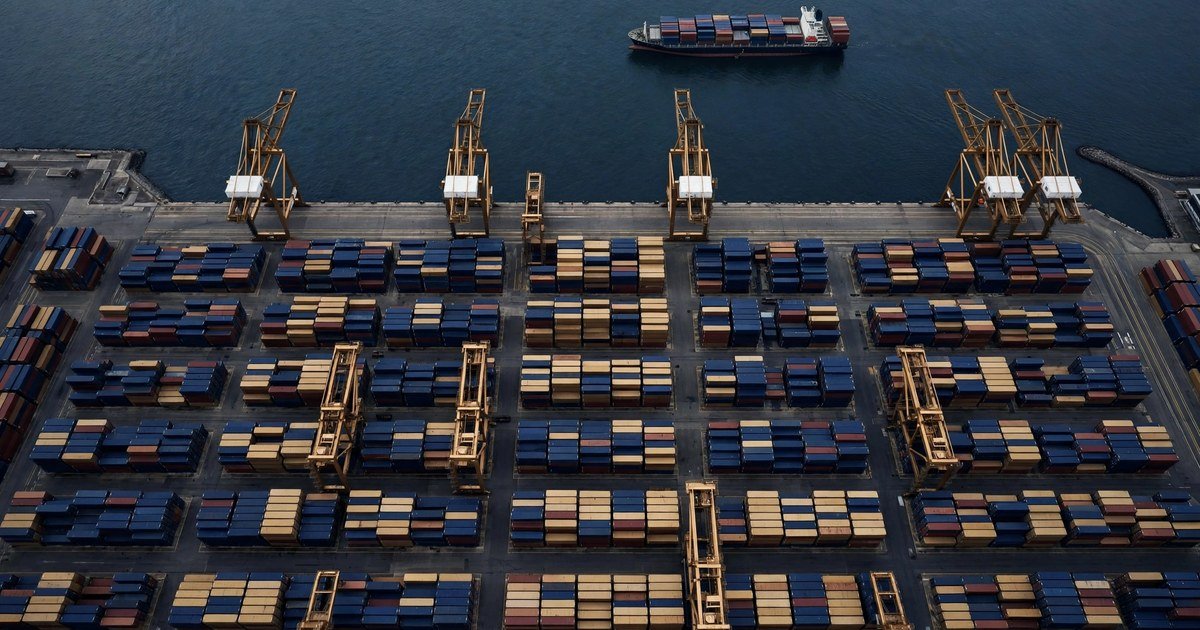
Logistics is among Vietnam's strongest FDI magnets — and among the most complex licensing structures. There is no single "logistics license": each sub-sector (transport, forwarding, warehousing, dry ports, multimodal transport) has its own market-access conditions and licensing authority, especially for foreign investors.
This article maps logistics business licensing for foreign-invested companies: market-access conditions, procedures, and sub-sector notes.
Contents
- 1. There is no single "logistics license"
- 2. Market-access conditions for foreign investors
- 3. The foundation: IRC + ERC
- 4. Licenses by sub-sector
- 5. Warehousing: ordinary vs. conditional warehouses
- 6. Multimodal transport
- 7. A realistic licensing roadmap
- 8. Frequently asked questions
- 9. When to work with a lawyer
- References
1. There is no single "logistics license"
Many investors' first mistake: looking for a "logistics business license" as a single permit. In reality, Vietnamese law has no general "logistics" license — only licenses for specific logistics services.
A typical license chain for a foreign-invested logistics company:
- IRC — Investment Registration Certificate (for foreign-invested projects);
- ERC — Enterprise Registration Certificate;
- Sectoral licenses — one or more, depending on registered sub-sectors.
Missing any link leaves the entire operation not fully lawful.
2. Market-access conditions for foreign investors
Vietnam opens its logistics services market under commitment schedules in the WTO and new-generation FTAs. The key point: each sub-sector, its own policy.
- Some sub-sectors are fully open to foreign investors (100% foreign ownership);
- Some cap foreign ownership or require joint ventures with Vietnamese partners;
- Some transport-support services carry additional conditions on capacity and experience.
Research must follow the CPC code of each specific service in the commitments — nothing can be inferred from "logistics" in general. Structuring the wrong capital ratio from the start leads to later restructuring, costing many times the initial advisory fee.
One more nuance: commitments evolve. New-generation FTAs (CPTPP, EVFTA, RCEP) have opened several logistics sub-sectors wider than the original WTO schedule. An investor relying on an outdated summary may impose a joint venture on itself unnecessarily — or, worse, assume openness that a reservation still restricts. Always check the most favorable applicable commitment for your home country, not just the WTO baseline.
3. The foundation: IRC + ERC
Every foreign-invested logistics company starts from two foundational documents:
- IRC: registering the investment project with the investment registration authority; recording objectives (the specific logistics services), capital, location, and duration. Objectives on the IRC must match the sub-sectors the commitments open — misstatement blocks the sectoral-license step.
- ERC: enterprise registration with the business registration authority; registered business lines must correspond to the IRC and sectoral licenses.
Three-tier consistency (IRC – ERC – sectoral licenses) is every licensing authority's first check.
4. Licenses by sub-sector
Typical sectoral licenses include:
- Road cargo transport: road transport business license (issued by the Department of Construction/Transport under delegation), with conditions on vehicles, transport managers, and safety management apparatus;
- Multimodal transport: multimodal transport business license (see section 6);
- Freight forwarding: no standalone "forwarding" license, but each leg — transport, warehousing, customs — must meet its own conditions, and customs brokerage has separate requirements;
- Port and inland waterway terminal business: licenses/conditions on infrastructure and maritime safety;
- Express delivery: postal license (for express services within postal scope).
Each license has its own authority, dossier, and timeline — no common "one-stop shop" exists for the full licensing chain.
5. Warehousing: ordinary vs. conditional warehouses
Ordinary warehousing: no standalone "warehouse license". Conditions are mainly compliance: fire prevention and fighting (design approval and acceptance), environmental protection, labor safety, and land planning (warehouses must sit on land with the correct use purpose).
Conditional warehouses — requiring recognition or separate conditions:
- Bonded warehouses: customs recognition; requirements on area, fencing, camera systems, and customs-connected management software;
- Tax-suspension warehouses, container freight stations (CFS), inland container depots/dry ports (ICD): similar infrastructure and customs-management conditions;
- Warehouses for dangerous goods and chemicals: special safety conditions.
Many "warehouse" projects stall because investors assume all warehouses are alike — until customs or fire authorities arrive and conditions are missing.
A related trap is the land itself. Warehousing needs large land areas, and the land-use purpose must allow warehouse construction — agricultural or residential-planned land cannot simply be "converted" by the investor. Land lease contracts for logistics projects should be reviewed before the IRC application, because the registered project location must sit on land the investor actually has the right to use. Discovering a land-purpose mismatch after the IRC is issued means adjusting the location — the most complex adjustment of all.
6. Multimodal transport
Multimodal transport means carrying goods by at least two different modes under one multimodal transport document and one liability regime of the multimodal transport operator.
It is a conditional business: the enterprise needs a multimodal transport business license and must meet conditions on capital, operator liability insurance, and organizational capability. For international routes, transit and transport treaties Vietnam has joined also apply.
Note: many forwarding companies are de facto organizing multimodal transport without a license — a legal risk when cargo loss occurs and liability is disputed.
7. A realistic licensing roadmap
A sensible sequence:
- Research opening commitments by CPC code per service → finalize capital structure and investment form;
- Obtain the IRC with project objectives stated in the permitted sub-sectors;
- Obtain the ERC with corresponding business lines;
- Obtain each sectoral license — prepare fire-safety, environmental, and warehouse/transport dossiers in parallel from the construction phase;
- Complete operational conditions (transport managers, management systems) before opening.
On timing: IRC + ERC take weeks to months depending on locality and project nature; each sectoral license adds a procedure with statutory working-day deadlines. Budget total time on a sequential multi-license basis, not on the fastest license.
Finally, keep compliance alive after licensing. Sectoral licenses come with ongoing conditions — vehicle inspections, safety personnel, customs reporting for bonded facilities — and authorities do inspect. A license obtained and then neglected is a violation waiting to be discovered; build the compliance calendar at the same time you build the licensing roadmap.
8. Frequently asked questions
Can foreign-invested companies provide logistics services in Vietnam?
Yes, but conditionally. Vietnam opens its logistics market under WTO and FTA commitment schedules, with market-access conditions varying by sub-sector (cargo transport, forwarding, warehousing, transport support services). Some sub-sectors cap foreign ownership or require joint ventures; others are fully open. Check the specific commitments per sub-sector before structuring the deal.
What licenses does a logistics business need?
Depending on the sub-sector: the Investment Registration Certificate (IRC) for foreign-invested projects; the Enterprise Registration Certificate (ERC); and sectoral business licenses — e.g., the multimodal transport business license, road cargo transport business license, or eligibility certification for bonded warehouses/dry ports (ICD). Each sub-sector has its own licensing authority.
Is foreign ownership in logistics companies capped?
It depends on the sub-sector under Vietnam's market-opening commitments. Some transport and transport-support services cap foreign ownership or require joint ventures with Vietnamese partners; services like forwarding and ordinary warehousing are more open. Exact ratios must be checked against current WTO/FTA commitments per service code (CPC).
Does warehousing need a sub-license?
Ordinary warehousing: mainly fire-safety, environmental, and labor-safety compliance — no standalone "warehouse license". But bonded warehouses, tax-suspension warehouses, container freight stations (CFS), and inland container depots/dry ports (ICD) are conditional categories requiring customs recognition and meeting requirements on area, infrastructure, and management systems.
What conditions apply to international multimodal transport?
Multimodal transport business (combining two or more modes under one document and one liability regime) is conditional: the enterprise needs a multimodal transport business license and must meet conditions on capital, liability insurance, and organizational capability. International routes also involve bilateral/multilateral transit treaties.
How long does full logistics licensing take for an FDI company?
It depends on how many licenses are needed. IRC + ERC are the foundation (weeks to months depending on locality and project nature); each sectoral license adds its own procedure with statutory working-day deadlines. Plan total time on a sequential multi-license basis and prepare dossiers in parallel from the start.
9. When to work with a lawyer
Work with a lawyer when you: are unsure how open your sub-sector is; need to structure ownership ratios or joint ventures; seek multiple sectoral licenses at once; invest in bonded warehouses, ICDs, or CFS facilities; lease land for warehouse construction; or had dossiers returned for unclear reasons. Initial advisory fees are always cheaper than later restructuring.
FLAT Law Firm advises comprehensively on logistics investment: commitment research, deal structuring, IRC/ERC applications, and all sectoral licenses. Starting with the correct structure is always cheaper than fixing it later. Contact our hotline at 0988424851 for advice on your specific project.
References
- Law on Investment No. 143/2025/QH15, effective 01/3/2026 (replacing Law on Investment No. 61/2020/QH14).
- Vietnam's WTO and new-generation FTA commitments on trade in services.


