
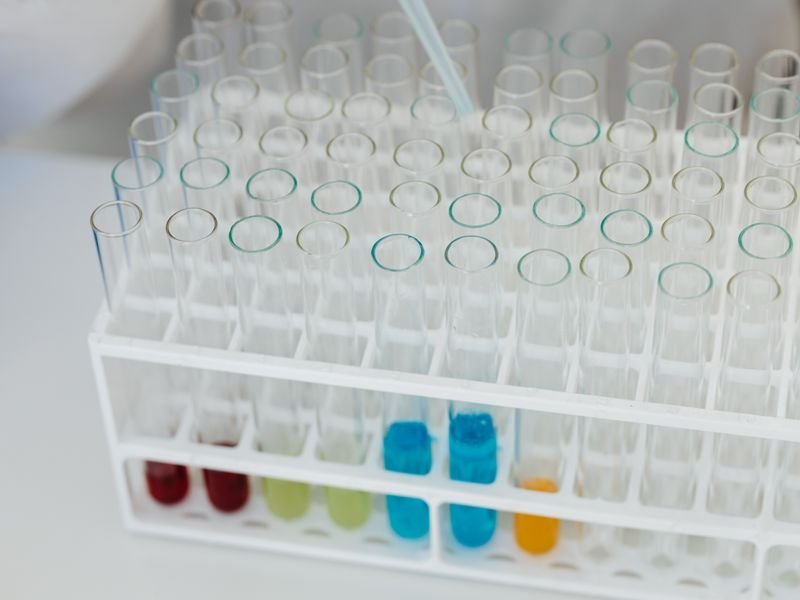
Scenario: a company wants to open an independent medical testing laboratory (not attached to a hospital), offering on-demand tests to the public. It asks: may independent labs be licensed, and what quality management applies?
Testing laboratories: licensed medical establishments
Medical testing laboratories performing diagnostic and therapeutic test techniques are a category of medical establishment under the Law on Medical Examination and Treatment 15/2023/QH15, requiring medical operation licences with testing professional scope. Conditions: professionally responsible persons holding matching practising licences (doctors, testing technicians); facilities and testing equipment meeting standards (biosafety-level laboratories); approved test technique lists — laboratories may perform only listed tests. Independent laboratories (unattached to hospitals) may operate where fully meeting conditions — a model growing fast with on-demand and at-home testing.
Test quality management: the key to trust
Test results ground diagnoses and treatments — testing errors cause misdiagnosis and mistreatment with grave consequences. The law therefore requires quality management: internal quality control (periodic verification samples), external quality assessment participation (inter-laboratory comparison), periodic equipment calibration, and reagent control (expiry, storage). Laboratories must archive results and QC records for traceability in result disputes. Where wrong results harm patients, laboratories compensate under general medical-establishment liability principles — with professional supervisors and performing technicians facing potential individual liability.
On-demand testing and advertising
Laboratories offering on-demand services (walk-in tests without doctor orders) must counsel fully: test significance, limits (e.g., screening tests never substitute diagnosis), and recommendations to see doctors for interpretation — delivering “bare” results without counselling may cause panic or false reassurance. Test-service advertising follows Law 75/2025/QH15 amending the Advertising Law: no advertising beyond licensed scope, no “100% accurate” promises, no exaggerating screening-package significance. Genetic and prenatal screening tests especially — with sensitive ethical and psychological dimensions — require proper genetic-counselling procedures.
Frequently asked questions
Are one lab’s results recognised by other hospitals?
In principle, results from lawfully licensed establishments inform other establishments; but treating doctors may reorder tests where doubting quality or needing updates. Mutual recognition (test-result interoperability) is being promoted to cut waste.
May laboratories collect samples at home?
Yes, where meeting sample transport and preservation standards (cold chain, timing). At-home sampling is growing but demands tight quality control from collection through analysis.
Wrong tests causing harm — claiming compensation?
Demand laboratory compensation; complain to Health Departments; sue in court. Keep result slips, bills and follow-up treatment records proving causation between wrong results and harm.
This article has been quality-reviewed by the FLAW AI Legal Council.


