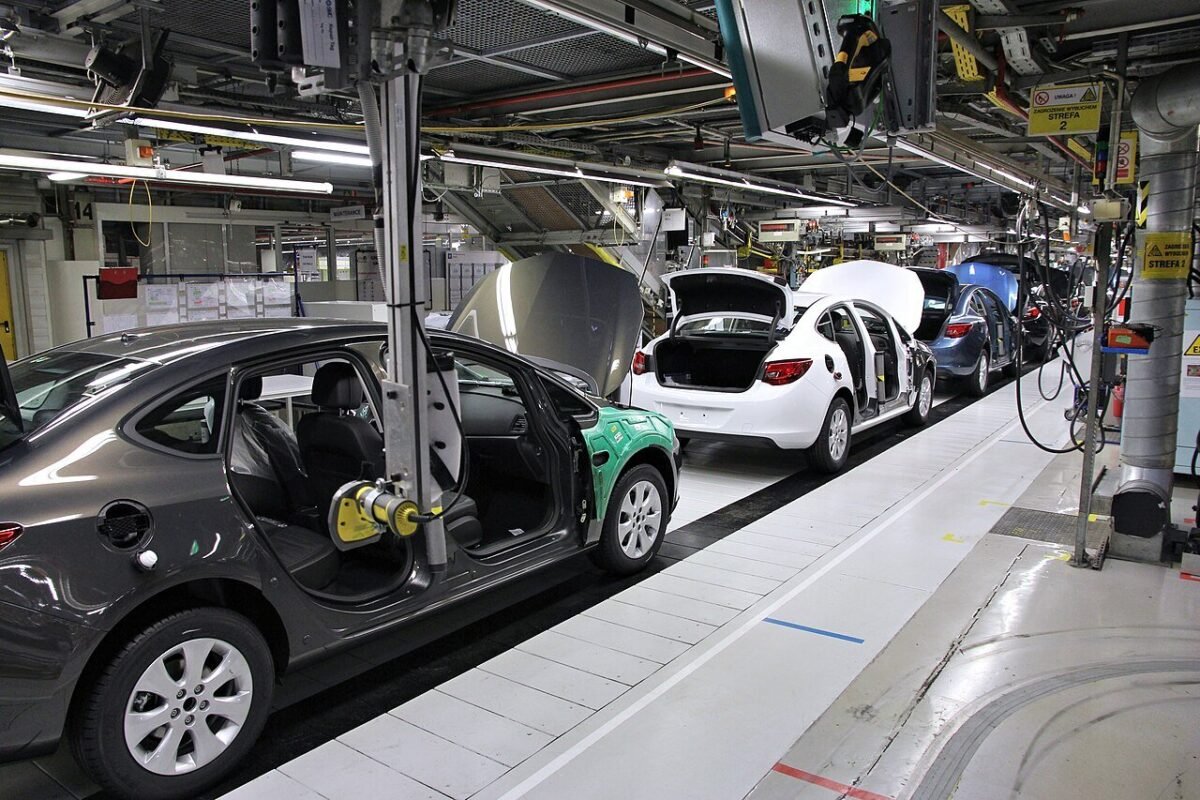
Mexico is “North America’s auto workshop”: vehicles assembled in Mexico enter the US at 0% duty under the USMCA. Vietnam, with VinFast going global, takes a different road — exporting from a country with no US FTA. These two supply-chain models pose entirely different legal questions for component makers and investors.
Legal framework
- USMCA (in force 1 July 2020, replacing NAFTA): auto rules of origin — 75% regional value content (RVC), 40–45% labour value content (LVC) at minimum wage levels, 70% North American-origin steel and aluminium.
- Mexico: the IMMEX (maquiladora) programme — temporary duty-free import of materials and components for export production.
- Vietnam: enjoys CPTPP and EVFTA; with the US it has only the 2001 Bilateral Trade Agreement (MFN treatment) — no bilateral FTA, so autos shipped to the US face MFN duties plus defensive-measure risk (Section 232 on autos).
The two supply-chain models
Mexico — North America’s “backyard”: plants in Mexico, components from the US/Canada/Mexico cumulated to 75% RVC, finished vehicles enter the US duty-free. IMMEX allows temporary duty-free import of Asian components for processing and re-export to the US — but Asian value does not count toward RVC, so carmakers must balance North American localisation. The LVC further requires 40–45% of vehicle value from high-wage labour (from USD 16/hour) — a USMCA-specific labour protection clause.
Vietnam — a multi-FTA “gateway”: Vietnam ships autos and components to the EU under EVFTA and to CPTPP markets with tariff preferences — but not to the US. VinFast chose to invest directly in a US plant (North Carolina) to jump the tariff wall rather than export only from Vietnam. For Vietnamese component firms, the opportunity lies in supplying carmakers in Mexico, Thailand and Indonesia rather than shipping finished vehicles directly to the US.
Legal risks to price in
- USMCA origin rules: Vietnamese firms supplying Mexican plants must certify origin so customers can count RVC — errors can cost the whole shipment’s duty preference.
- Section 232: US duties on auto imports on national-security grounds are a standing risk for vehicles shipped from Vietnam.
- Labour: the USMCA’s Rapid Response labour mechanism — a Mexican plant violating labour rights can lose preferences; Vietnamese firms in the chain need equivalent labour standards.
- Transfer pricing: intra-group transactions across Mexico–Vietnam–US face scrutiny from all three tax authorities.
Frequently asked questions
Do components made in Vietnam count toward the USMCA 75% RVC?
No. USMCA RVC counts only value originating in the US, Mexico or Canada. Vietnamese components built into vehicles assembled in Mexico do not help meet the 75% threshold — though they may still be used.
What is IMMEX, and can Vietnamese businesses use it?
IMMEX is Mexico’s programme allowing temporary duty-free import of materials and components for export manufacturing. A Vietnamese business investing in a Mexican plant can register for IMMEX; merely exporting components from Vietnam to an IMMEX plant is an ordinary sale relationship.
Why did VinFast build a US plant instead of exporting from Vietnam?
Autos shipped from Vietnam to the US enjoy no tariff preference (no bilateral FTA) and face Section 232 risk. US production gives direct market access, eligibility for domestic EV incentives (subject to US law conditions) and lower trade-policy risk.
Where should a Vietnamese component maker start to enter the North American auto chain?
By meeting quality standards (IATF 16949) and OEM origin-traceability requirements in Mexico. In parallel, consider a commercial presence in Mexico to stay close to customers and handle RVC/LVC demands promptly.
Contact FLAT Law Firm
FLAT Law Firm advises auto supply-chain businesses: USMCA/CPTPP/EVFTA origin rules, Mexico investment structuring and US trade-risk management. Contact us for analysis.
This article has been quality-reviewed by the FLAW AI Legal Council