
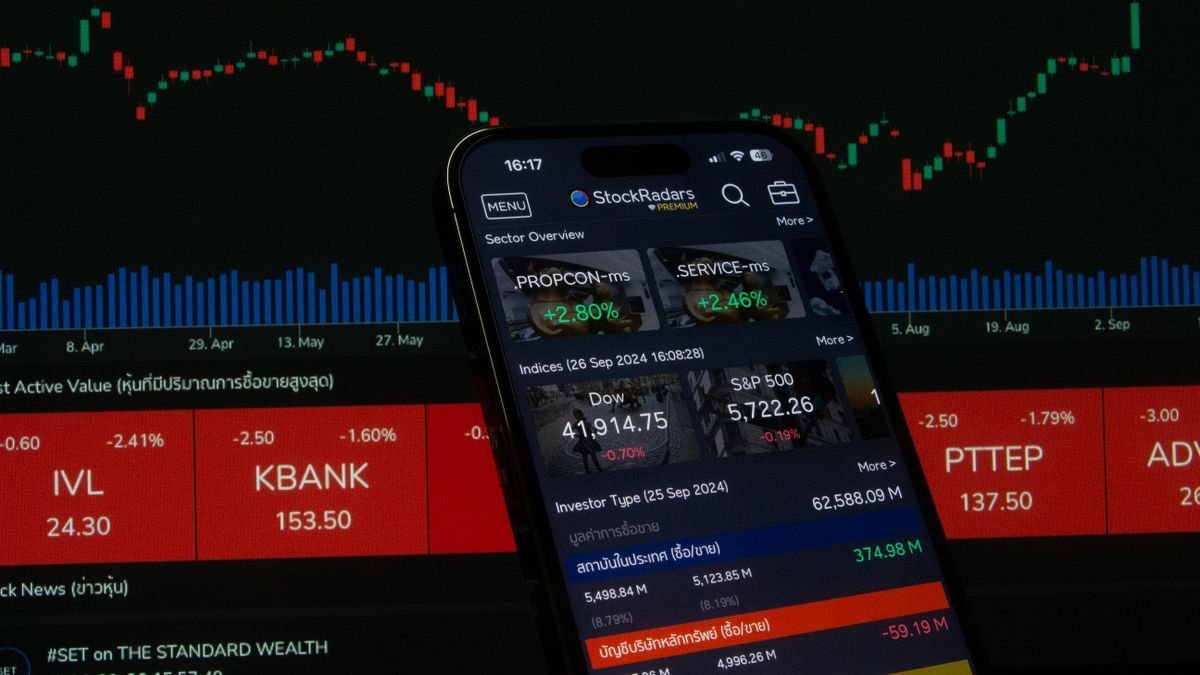
Scenario: James, an Australian living in Da Nang, wants to buy shares of a HOSE-listed company he has followed for years. A securities firm turns him away: “you need an indirect investment account first.” James is baffled — foreigners, it turns out, can’t open securities accounts like Vietnamese citizens; they go through a separate “door” set by securities law. Understanding that door saves weeks of running around.
The legal framework: foreigners trade through a separate door
The Securities Law 54/2019/QH14 (still in force at the time of writing) and Circular 123/2015/TT-BTC guiding foreign investors on Vietnam’s securities market (amended by Circular 51/2021/TT-BTC, effective 16/9/2021) provide that foreign investors (individuals included) don’t open trading accounts directly like domestic investors. Instead they must:
- Open one Indirect Investment Capital Account (IICA) in foreign currency or VND at one licensed custodian bank — all securities cash flows pass through it;
- Obtain a securities trading code from the Vietnam Securities Depository and Clearing Corporation (VSDC) — every order you place carries this code;
- Place orders and custody assets through a Vietnamese securities company or custodian bank.
This lets regulators monitor foreign capital flows — and for you it means account opening takes about 1–2 weeks longer than for locals.
Four practical steps
- Step 1 — Pick a custodian bank, open the IICA: bring your passport plus visa or residence documents to a custodian bank (major commercial banks all offer this). Open both foreign-currency and VND sub-accounts if needed.
- Step 2 — Get the trading code: the custodian bank or securities firm files for your VSDC trading code on your behalf — file includes a notarized/translated passport and investor information forms.
- Step 3 — Open a trading account at a securities firm: use the trading code to open the account, linked to the IICA for funding purchases.
- Step 4 — Fund the IICA and trade: remit foreign currency into the IICA (stating securities-investment purpose) and convert to VND when buying.
Foreign ownership limits: not every stock is buyable
Foreign ownership in each public company is capped (“foreign room”): up to the company’s charter and sector rules — many banks and securities firms cap at 30%; some conditional sectors cap lower or at zero. Before ordering, check the remaining foreign room for that ticker (your broker sees it in real time). Orders exceeding the room are auto-rejected — your money stays in the IICA, but you’ve lost time and opportunity.
Frequently asked questions
Can a foreigner open a Vietnamese securities account online from abroad?
In principle you need an IICA at a Vietnamese custodian bank and a VSDC trading code — both require original documents and in-person identification (or a valid authorization). A 100% online setup from abroad isn’t currently feasible; expect at least one working session with the custodian bank in Vietnam.
How long does opening the indirect investment account take?
Usually 1–2 weeks: 2–3 business days for the IICA, about 5–7 business days for the VSDC trading code with a complete file. Prepare a translated, notarized passport in advance to avoid file returns.
Can sale proceeds be remitted abroad?
Yes. Proceeds land in the IICA; after settling tax duties (personal income tax on securities transfers), you may remit abroad through the custodian bank. Keep full transaction records for the remittance paperwork.
Are foreigners restricted from any tickers?
Yes — through foreign-room caps. Each public company sets a maximum foreign ownership ratio (commonly 30–49%, lower in special sectors). Check remaining room before ordering to avoid rejection.
Related articles
- Marriage Between Chinese and Vietnamese Citizens: Registration Procedure
- Inheriting Assets in Vietnam as a Chinese Citizen: Procedure
- Divorce from a Vietnamese citizen: does the foreigner's temporary residence card remain valid?
- Foreigners married to Vietnamese citizens: which temporary residence card category?
- Foreign children born in Vietnam: how to get a visa and temporary residence card?
This legal analysis has been verified against current Vietnamese regulations and cross-border FDI transaction practices by the attorneys at FLAT LAW FIRM.

