
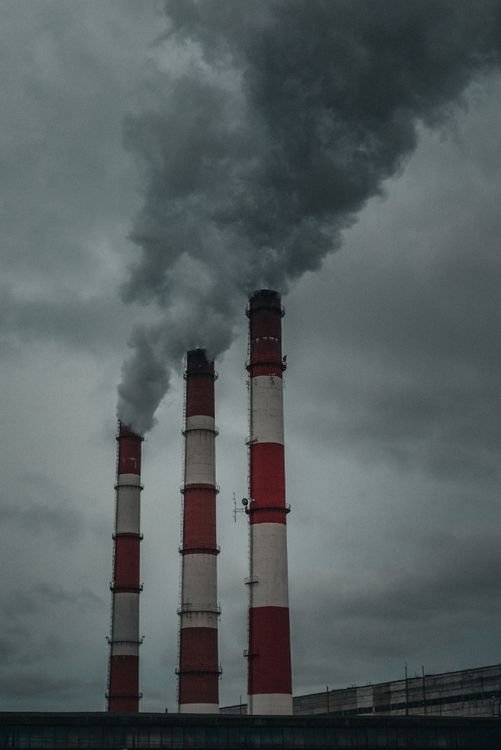
Scenario: after a finished-goods warehouse fire, the police inspection team concludes the plant’s automatic fire-suppression system does not work, escape routes are blocked, and the fire-safety dossier is incomplete. A week later the director receives a decision temporarily suspending the entire plant. Export orders are due, workers must stop work. Is the decision lawful — and what is the fastest lawful way to reopen?
Temporary suspension is not suspension — confusing them costs dearly
Current fire prevention, firefighting, rescue and salvage legislation (the 2024 Law effective 1 July 2025 and its implementing Decree 105/2025/ND-CP) distinguishes two levels:
- Temporary suspension of operations: a provisional preventive measure, applied where there is an imminent risk of fire or explosion, or where the facility has seriously violated fire regulations despite a written remediation order (e.g., putting a structure into use without fire-safety acceptance, failing to ensure escape routes, illegally storing hazardous fire/explosion substances). Maximum duration is 30 days, confined to the smallest area where the risk or violation exists — not the whole plant at will.
- Suspension of operations: applied when the temporary suspension expires without the violation being remedied or remediable. A heavier measure, lasting until safe conditions are restored.
What the business must check immediately upon receiving the decision: does it state the specific violation grounds, the scope suspended and the duration? A decision “temporarily suspending the entire plant” where the violation exists in only one workshop exceeds the necessary scope — and that is precisely the point to complain about.
The fastest way back: remediate, don’t argue
Practical experience: companies that pour energy into remediation reopen faster than those that pour it into disputing the decision. The right sequence:
Step 1 — Read the inspection record carefully and make a time-bound remediation plan. Sort violations into three groups: immediately fixable (adding extinguishers, clearing escape routes, completing the dossier); requiring a contractor (repairing alarm and automatic suppression systems); requiring procedures with the police (re-appraisal of designs, re-acceptance of fire systems).
Step 2 — Remediate and invite re-inspection. After remediation, write to the decision-making authority requesting re-inspection of safety conditions. When requirements are met, the authority issues a decision permitting resumption. Note: for items requiring fire-safety acceptance, a written acceptance of the results by the police is required — a self-assessment of “compliant” has no legal value.
Step 3 — In parallel, complain if the decision is flawed. Where the decision exceeds the violation’s scope, states no specific grounds, or sets an unreasonable duration, the business may complain under the 2011 Law on Complaints to the head of the issuing authority or their direct superior; dissatisfied with the outcome, it may bring an administrative lawsuit under the 2015 Law on Administrative Procedures. Note: complaining or suing does not automatically suspend enforcement of the temporary suspension — the plant stays closed pending resolution, absent an interim urgent measure ordered by the court.
Collateral consequences directors often forget
Closure does not relieve the business of other duties: stoppage wages for workers must still be paid under the 2019 Labor Code; late-delivery penalties to customers may still apply — unless the suspension is proven force majeure (very difficult, since the root cause is the company’s own fire-safety violation); land and workshop rents keep running. Separately, fire-safety violations attract administrative fines under Decree 106/2025/ND-CP, independent of the suspension measure.
In short: a post-fire suspension decision is not the end, but neither is it something to “work around”. The only fast and clean path is genuine remediation — using complaints precisely where the decision overreaches.
Related articles
- Location Confirmation Letter from the Industrial Park Management Board
- Technology Explanation: When Required and What to Write?
- Investment Project Proposal: Writing Objectives, Scale and Schedule
- Land/Factory Lease Contracts: Mandatory Clauses for the IRC Dossier
- Parent Company's Investment Decision: Mandatory Contents
This legal analysis has been verified against current Vietnamese regulations and cross-border FDI transaction practices by the attorneys at FLAT LAW FIRM.

