
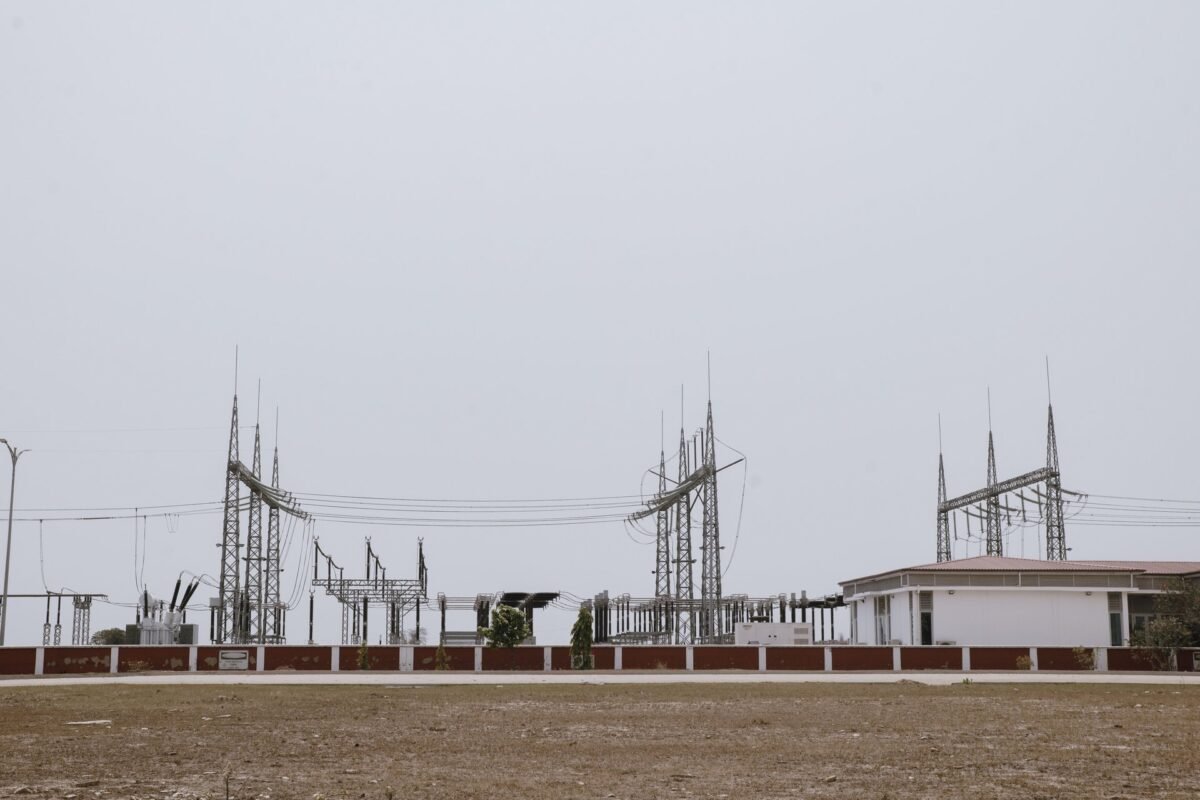
For a data center, power is not a mere operating cost but a survival condition: a project with land and customers but no locked capacity and power redundancy plan will not be financed by any bank.
Legal basis to know
The Electricity Law 61/2024/QH15, effective 1 February 2025, is the current framework for power activities, under which supply assurance for large customers is delivered through planning, connection agreements and power purchase contracts with the utility. Decree 80/2024/ND-CP on the direct power purchase agreement (DPPA) mechanism lets large electricity users buy renewable power via the national grid or a private line — a tool many data center operators use to meet green power goals. On redundancy technique, international operating standards commonly require N+1 configuration for supply and standby generators covering the load during switchover, but these are contractual and design standards, not a universal statutory figure.
How this applies in practice
What investors underestimate is connection time and conditions: large capacity must enter planning and may require a dedicated substation, so the power agreement must run in parallel with land procedures, not last. On supply priority, the law promises no absolute priority slot for data centers; actual assurance depends on the contract, position in the system and self-provided redundancy. That is why colocation contracts always define how far the operator’s power responsibility extends and what belongs to the customer.
What to do now
- Work with the utility on capacity, connection point and supply timeline from the site-selection stage, recorded in a written agreement.
- Design redundancy on an N+1 basis for UPS and generators, with fuel storage meeting the minimum runtime committed to customers.
- Assess a DPPA option under Decree 80/2024/ND-CP if target customers require a renewable share in their lease contracts.
Frequently Asked Questions
How many MW does a data center need?
Required capacity is calculated from designed IT load plus cooling and losses, usually phased by the investor: a mid-size project often starts at a few MW and reserves land and substation space for later phases instead of building maximum capacity upfront.
Is there priority power supply?
Electricity law sets no absolute priority supply slot for data centers; assurance comes from the connection agreement, the power purchase contract with the utility and the project’s position in planning, while continuous operation still relies on self-provided redundancy.
What standby generation is required?
Standby generators must cover the full critical load during grid outages, paired with UPS to hold the load during source switchover and fuel storage for the minimum runtime under service commitments; the specifics sit in the design and customer contracts, not in one statutory number.
What is DPPA for a data center?
DPPA is the direct power purchase mechanism under Decree 80/2024/ND-CP, letting large users such as data centers buy renewable power from generators via the national grid or a private line, helping meet international customers’ green power requirements.
Related articles
- Scenario: If Subject to a Banking Credit Inspection, How Should Businesses Prepare?
- Carbon Market: Financial Mechanisms and Opportunities for Banks and Funds
- Scenario: If Exchange Rates Swing Sharply, How Should Trading Businesses Hedge?
- Relaxing Bank Foreign Ownership Caps: Latest Proposals and M&A Opportunities
- Anti-Money Laundering: The 2022 Law and New Business Obligations
This legal analysis has been verified against current Vietnamese regulations and cross-border FDI transaction practices by the attorneys at FLAT LAW FIRM.

