
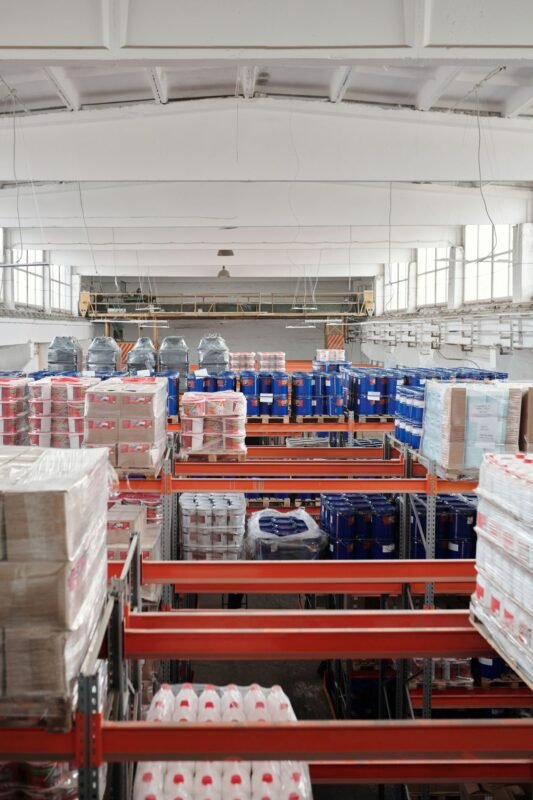
Money sunk into someone else’s asset
You lease a workshop for 10 years and spend VND 5 billion upgrading the load-bearing floor, installing cooling systems, epoxy-coating the slab. In year 8 the lease ends and the landlord will not renew. The VND 5 billion of improvements is now fused to their building — can you recover a dong of it?
The answer depends almost entirely on what the parties agreed before you broke ground. The law (2015 Civil Code on leases) contains no default rule forcing the lessor to compensate renovation costs at term end. No agreement means the tenant bears the risk.
Three situations and their outcomes
1. Compensation agreed: the contract states the lessor pays the residual value of improvements at expiry (by depreciation or valuation). Best case — enforce the agreement.
2. Renovation approved but compensation unaddressed: you were allowed to renovate (with written consent), but at expiry the improvements attached to the workshop belong to the landlord with no payment duty — unless you can prove unjust enrichment (very hard).
3. Unauthorized renovation: worst — no compensation, plus you may be ordered to restore the original state at your cost if the works altered the structure.
Protecting the investment: a pre-renovation checklist
1. Written approval from the lessor for each renovation item (never trust verbal promises). 2. Residual-value agreement: the formula (straight-line depreciation over the remaining lease term is fairest), payment timing, valuer for disputes. 3. Link to renewal: negotiate priority renewal rights or a term long enough to fully depreciate the cost — spending 5 billion with 2 years left is a losing equation from day one. 4. Keep full documentation: construction contracts, invoices, acceptance minutes — without papers every compensation figure is an argument.
Frequently asked questions
Do minor works like repainting need permission?
Notify in writing even for minor works. Many contracts require consent for any alteration — breaching this can trigger penalties.
The landlord verbally approved, now denies it — what now?
Verbal agreements are hard to prove. Gather whatever remains: messages, emails, witnesses, and the fact the landlord knew without objecting during construction — but the lesson is to get it in writing next time.
At lease end, can I remove the improvements?
Only what is removable without damaging the workshop (loose equipment, standalone systems). Fused parts (flooring, coatings, embedded systems) cannot go without harming the landlord’s property.
How is renovation cost depreciated?
Market practice: straight-line over the remaining lease term at renovation time. Example: VND 5 billion with 5 years left → 1 billion per year; lease ends after 3 years → residual value 2 billion.
Should the compensation clause go in an appendix?
Yes — signed together with the head lease or before renovation. An addendum signed after the works are done gives the lessor no incentive to sign.
Related articles
- Construction warranties: minimum warranty periods by project grade
- Construction delays: how are contractual penalties calculated?
- Border-Gate Economic Zones (Lang Son, Lao Cai, Quang Ninh): Advantages for Chinese FDI
- Land Rights for Foreign Investors: Vietnam vs China (term land-use rights)
- Environmental Licensing Inside Industrial Parks: China vs Vietnam
This legal analysis has been verified against current Vietnamese regulations and cross-border FDI transaction practices by the attorneys at FLAT LAW FIRM.

