
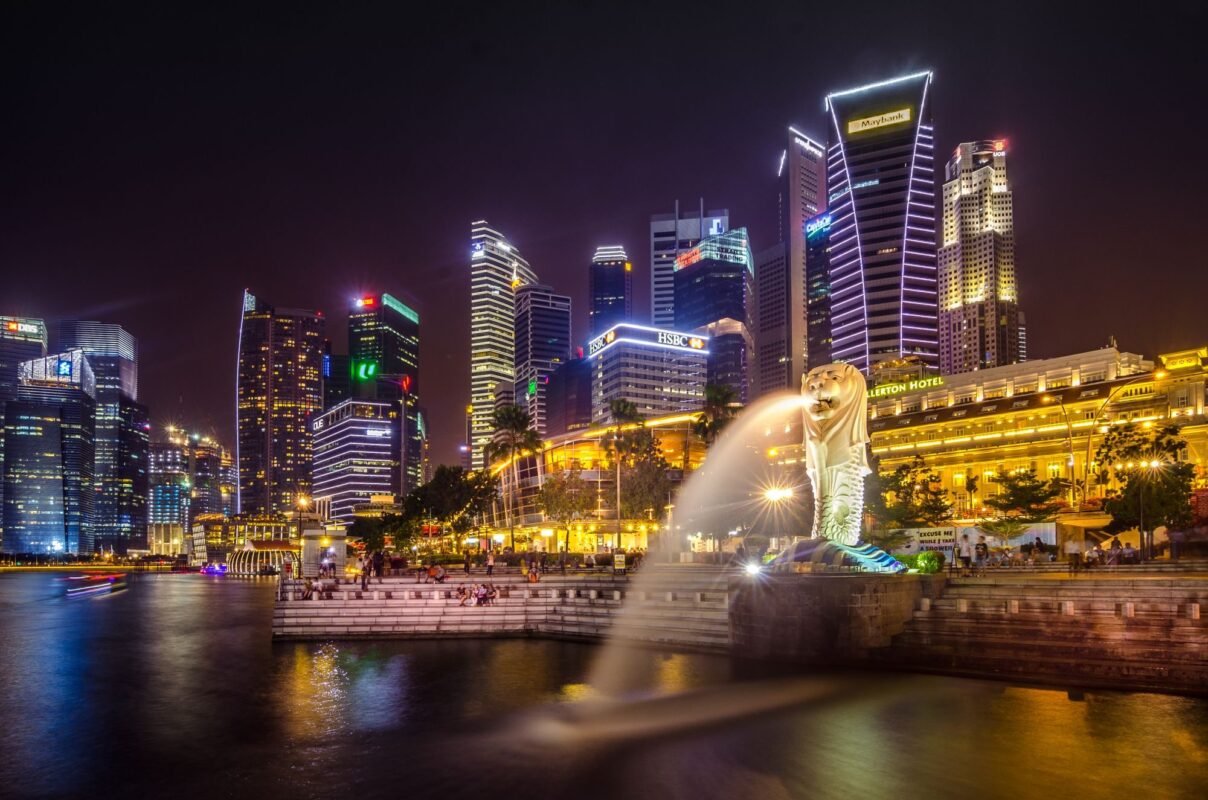
Scenario: Singapore funds are among the most active foreign investors in Vietnam — private equity, venture capital, family offices, sovereign-linked vehicles. But they don’t see the same Vietnam the manufacturers see. Understanding their lens tells you what they’re buying, what they’ll pay for, and what scares them.
What Singapore funds see: five differences from the manufacturer’s lens
1. They buy growth stories, not cost curves. Manufacturers model unit cost; funds model revenue growth and exit multiples. A Vietnamese consumer brand, fintech, or logistics platform with 30%+ growth matters more to them than a factory’s labor arbitrage — they’re underwriting the top line.
2. They price governance like a line item. Board composition, audit quality, related-party discipline, minority-shareholder protection — funds diligence these as hard as financials. A manufacturer can operate through relationship workarounds; a fund needs institutional-grade governance because its LPs do.
3. They think in exits from day one. Every investment thesis includes the exit path: IPO (HOSE/HNX), strategic sale, or secondary buyout. Manufacturers think in decades; funds think in 5–7 year holds. If your company can’t articulate a credible exit, you’re not fundable — however profitable.
4. They see Vietnam through a regional portfolio. Singapore funds hold Vietnam alongside Indonesia, India and the Philippines. Your pitch competes not with the Vietnamese company next door but with the Indonesian fintech and the Indian SaaS in the same fund’s pipeline — frame the regional comparison, don’t ignore it.
5. They fear regulatory surprise more than cost. Manufacturers worry about wages; funds worry about sudden policy shifts, licensing reversals, and enforcement unpredictability — because these destroy exit valuations overnight. Regulatory stability is their cost of capital.
What this means if you want their money
Build for diligence, not just for operations. Clean cap tables, audited financials, documented related-party transactions, independent board members — the governance package is the product when the buyer is a fund. Pitch the exit, not just the growth. Name the acquirers, the IPO window, the comparable transactions. And speak their calendar: funds deploy on investment-committee cycles — a great company pitched at the wrong moment waits; timing the approach matters as much as the story.
Frequently Asked Questions
What do Singapore funds see differently from manufacturers in Vietnam?
Five differences: funds buy growth stories and exit multiples (not cost curves); price governance as a line item (board, audit, related-party discipline); think in exits from day one (5–7 year holds); see Vietnam through a regional portfolio (you compete with Indonesian/Indian deals in the same pipeline); and fear regulatory surprise more than cost (it destroys exit valuations).
What does a company need to raise from Singapore funds?
Build for diligence: clean cap tables, audited financials, documented related-party transactions, independent directors. Pitch the exit, not just the growth — name acquirers, the IPO window, comparables. And speak their calendar: time the approach to investment-committee cycles.
What scares Singapore funds most about Vietnam?
Sudden policy shifts, licensing reversals, enforcement unpredictability — because these destroy exit valuations overnight. For funds, regulatory stability is the cost of capital; manufacturers worry about wages, funds worry about the rules changing.
Related articles
- Translation, Notarization and Legalization Costs for FDI Dossiers
- Legal Fees for FDI Formation: Fixed Package vs Hourly
- State Fees for the Full FDI Company Formation Process: Itemized
- Actual Timelines at the Department of Education and Training: Statutory Days vs Reality, and Where Delays Happen
- Actual Timelines at the Department of Construction: Statutory Days vs Reality, and Where Delays Happen
This legal analysis has been verified against current Vietnamese regulations and cross-border FDI transaction practices by the attorneys at FLAT LAW FIRM.

