
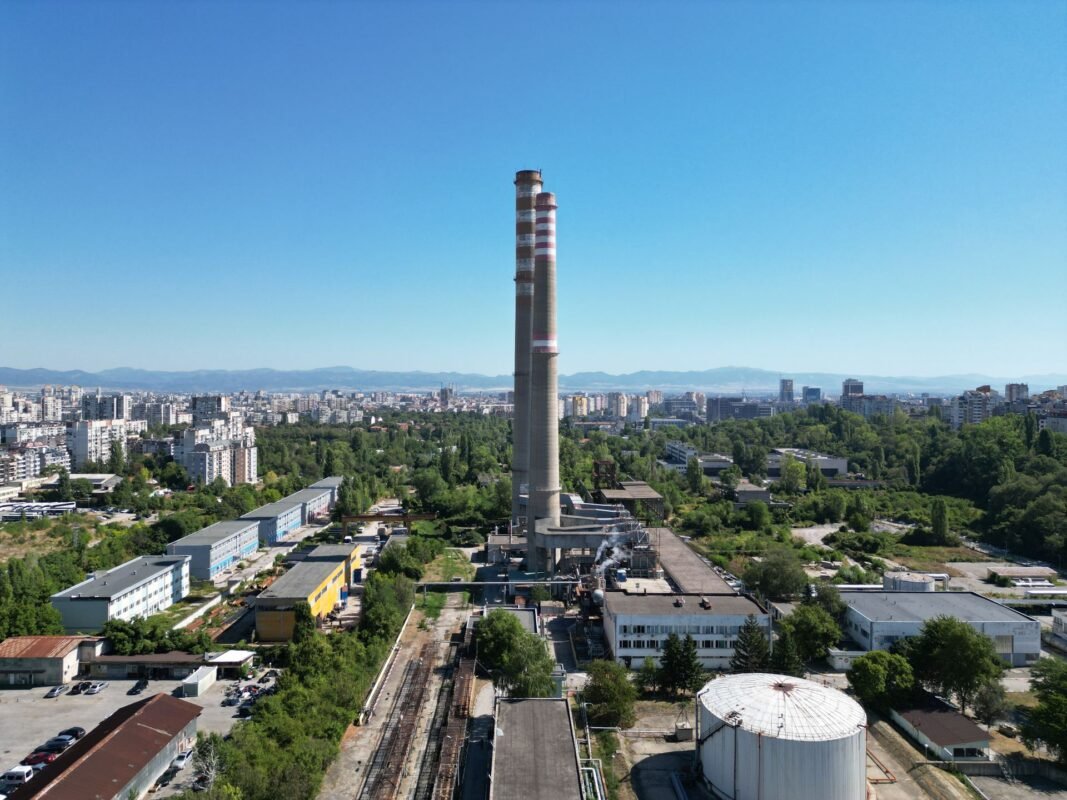
FDI enterprises operating factories in industrial parks regularly face expectations — sometimes demands — from local authorities and communities regarding corporate social responsibility (CSR): supporting infrastructure, protecting the surrounding environment, and caring for workers and neighbouring residents. The core legal question: is CSR a mandatory duty for FDI enterprises? The answer: mainly encouraged, not mandatory. Law on Investment 143/2025/QH15 (Article 5) frames CSR as encouraged. The substantive duties of enterprises are scattered across other instruments: the Law on Environmental Protection (community consultation in EIAs), the Labour Code, Law on Land 31/2024/QH15, and Decree 35/2022/ND-CP (annual social responsibility reporting for eco-industrial parks).
1. CSR: encouraged, not mandatory — Article 5 of Law on Investment 143/2025
Law on Investment 143/2025/QH15 (still in force), Article 5, provides that the State encourages investors to perform corporate social responsibility. This must be stated plainly: writing that “FDI enterprises are obliged to perform CSR” is WRONG. The current investment law framework does not make CSR a general enforceable duty for foreign investors in industrial parks.
That does not mean CSR is purely optional in every respect: the specific duties below — though not labelled CSR — remain binding on enterprises and carry sanctions.
2. Decree 35/2022: annual social responsibility reporting (eco-industrial parks)
Decree 35/2022/ND-CP on industrial park and economic zone management — still in force — is one of the rare instruments using the term “social responsibility” directly:
- Article 37: annual social responsibility reporting toward surrounding communities — applicable to eco-industrial parks;
- Article 38: related provisions within the eco-industrial park model.
Annual CSR reporting therefore does not apply to every industrial park; it is tied to the eco-industrial park model. FDI enterprises should check whether their park qualifies as an eco-industrial park to know if this duty applies. A word of caution: article numbers on worker housing support policies in Decree 35/2022 have not been firmly verified — this article cites only verified Articles 37 and 38; specifics on worker housing support should be checked against the original text of the Decree before application.
3. Law on Environmental Protection: community consultation in EIAs — Article 33
Law on Environmental Protection 72/2020/QH14 (still in force), Article 33, requires community consultation during the preparation of environmental impact assessment (EIA) reports. This is a mandatory duty for projects subject to EIA — including many FDI projects in industrial parks:
- project owners must consult directly affected residential communities and local authorities;
- consultation opinions form part of the EIA dossier submitted for appraisal and approval.
In practice, this is “mandatory CSR” under another name: enterprises cannot bypass local communities when implementing environmentally impactful projects.
4. Law on Land 31/2024/QH15: land-related duties
Law on Land 31/2024/QH15 (still in force; note the correct designation is QH15, not QH18) governs land use by investment projects, including duties on compensation, support and resettlement upon land recovery, and the duty to use land for proper purposes. For FDI enterprises leasing land in industrial parks, complying with land duties — including coordination with localities on compensation and site clearance — is an inseparable part of responsibility toward local communities.
5. Labour Code: duties toward workers and the labour community
Labour Code 45/2019/QH14 (still in force) sets out employer duties: working conditions, occupational safety and hygiene, social insurance, and workplace dialogue. In industrial parks concentrating tens of thousands of migrant workers, serious compliance with labour duties — wages, housing, workers’ living conditions — is the most practical contribution to local social stability, even though the law does not call it “CSR”.
6. Practical recommendations for FDI enterprises in industrial parks
- Distinguish clearly between mandatory duties (EIA and community consultation under Article 33 of the Environmental Protection Law; land and labour duties) and voluntary CSR activities — to prioritise resources correctly;
- Check whether the industrial park is an eco-industrial park — if so, prepare the annual social responsibility report under Article 37 of Decree 35/2022;
- Engage proactively with local authorities and communities from the project preparation stage, not after disputes arise;
- Keep full records of community consultations and local support programmes — both as compliance evidence and as proof of good faith when needed;
- For worker housing and welfare policies: check the original text of Decree 35/2022 and related instruments before applying, as specific article numbers have not been fully verified.
Conclusion
The social responsibility of FDI enterprises in industrial parks toward local communities is mainly encouraged (Article 5, Law on Investment 143/2025/QH15) — not a general mandatory duty. But “not mandatory” does not mean “nothing to do”: community consultation in EIAs (Article 33, Law on Environmental Protection 72/2020), land duties (Law on Land 31/2024/QH15), labour duties (Labour Code 45/2019), and annual CSR reporting for eco-industrial parks (Article 37, Decree 35/2022) are specific, sanction-backed duties that FDI enterprises must fully comply with. Companies that understand this boundary will both avoid legal risks and build good, sustainable relations with local communities.
Contact us
If your company needs a review of legal duties relating to EIAs, land, labour and community responsibilities in industrial parks, please contact FLAT Law Firm for detailed assistance.
Note: This article is for general information only and does not constitute legal advice. Laws are frequently amended; each specific case must be assessed on its own file and the applicable regulations. This article was prepared with AI assistance and reviewed by the FLAW AI Legal Council; publication is pending owner approval, and does not replace the advice of a human lawyer.


