
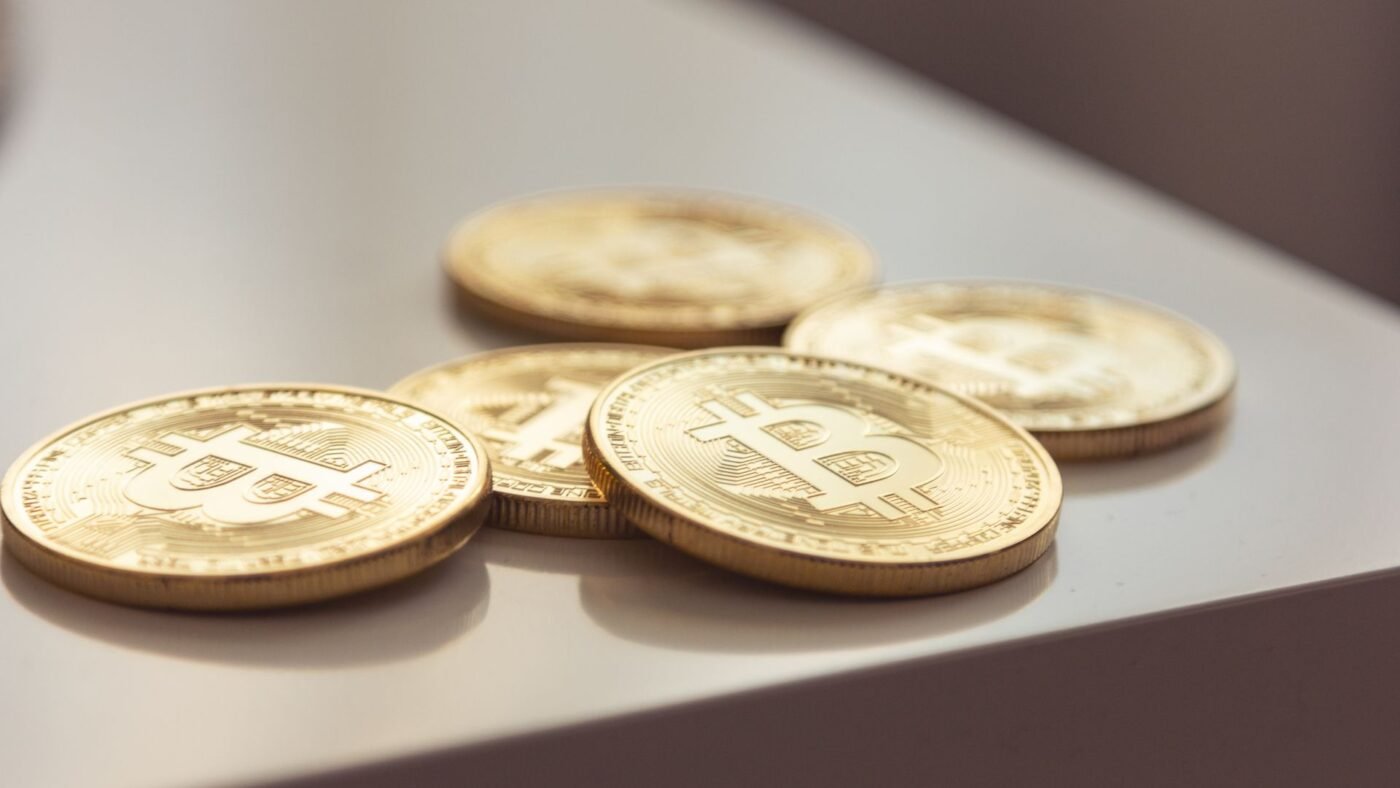
Stablecoins and central bank digital currency are often lumped together in discussion, but in Vietnam they sit in entirely different legal states: CBDC does not yet exist and is at the research stage, while stablecoins have already been placed outside lawful means of payment.
Legal basis to know
The State Bank of Vietnam has been tasked with researching central bank digital currency within banking sector digital transformation programmes, but has not issued a CBDC for circulation to date and has announced no official issuance roadmap. For stablecoins and crypto assets generally, the frame of Decree 52/2024/ND-CP on non-cash payments defines lawful means of payment in Vietnam, which do not include crypto assets; using crypto assets as a means of payment is treated as unlawful and can be sanctioned under the monetary and banking penalty framework. Resolution 05/2025/NQ-CP piloting the crypto asset market allows buying and selling crypto assets in Vietnamese dong via licensed organizations, but does not turn crypto assets into a means of payment for goods and services.
How this applies in practice
Businesses must separate three commonly confused activities: holding crypto assets as an asset within the pilot and lawful scope, using them to pay counterparties, and booking them in the accounts. The second activity is the clearest prohibited zone because it touches the State’s monopoly on issuing and managing means of payment. The practical risk also sits with banks: crypto-related transactions through bank accounts can face enhanced AML review, freezing a company’s cash flow even before any violation is concluded.
What to do now
- Do not accept payment for goods and services in stablecoins or crypto assets in any contract in Vietnam.
- If joining the crypto asset market, trade only via organizations licensed in the pilot under Resolution 05/2025/NQ-CP and keep transaction records.
- Follow official State Bank information on CBDC rather than market rumours when planning products.
Frequently Asked Questions
Will Vietnam issue a central bank digital currency (CBDC)?
As of now, Vietnam has not issued a CBDC; the State Bank is at the research and pilot-framework building stage under Government programmes, and any official issuance schedule must await the State Bank’s announcement.
May businesses accept payment in stablecoins?
No: crypto assets, including stablecoins pegged to the dong or foreign currencies, are not among lawful means of payment in Vietnam under the Decree 52/2024/ND-CP framework, so a business may not record accepting stablecoins as a payment method for goods and services.
What are the legal risks of using stablecoins in transactions?
Risks include: paying in crypto assets being treated as using an unlawful means of payment and sanctioned, bank transactions facing enhanced AML review, stablecoin value swings carrying no state protection mechanism, and accounting and tax difficulties while the asset lacks a full recognition framework.
Related articles
- Bank Guarantees: New Rules and Use in Investment and Construction
- Bank Information System Security: New Rules
- Life and Non-Life Insurance: The 2022 Insurance Business Law and Guidance
- Financial and Banking Crimes: Enforcement Trends and Prevention
- The Personal Data Protection Law 91/2025 Effective 1 January 2026: Ten Major Changes From Decree 13/2023 That FDI Enterprises Must Update
This legal analysis has been verified against current Vietnamese regulations and cross-border FDI transaction practices by the attorneys at FLAT LAW FIRM.

