
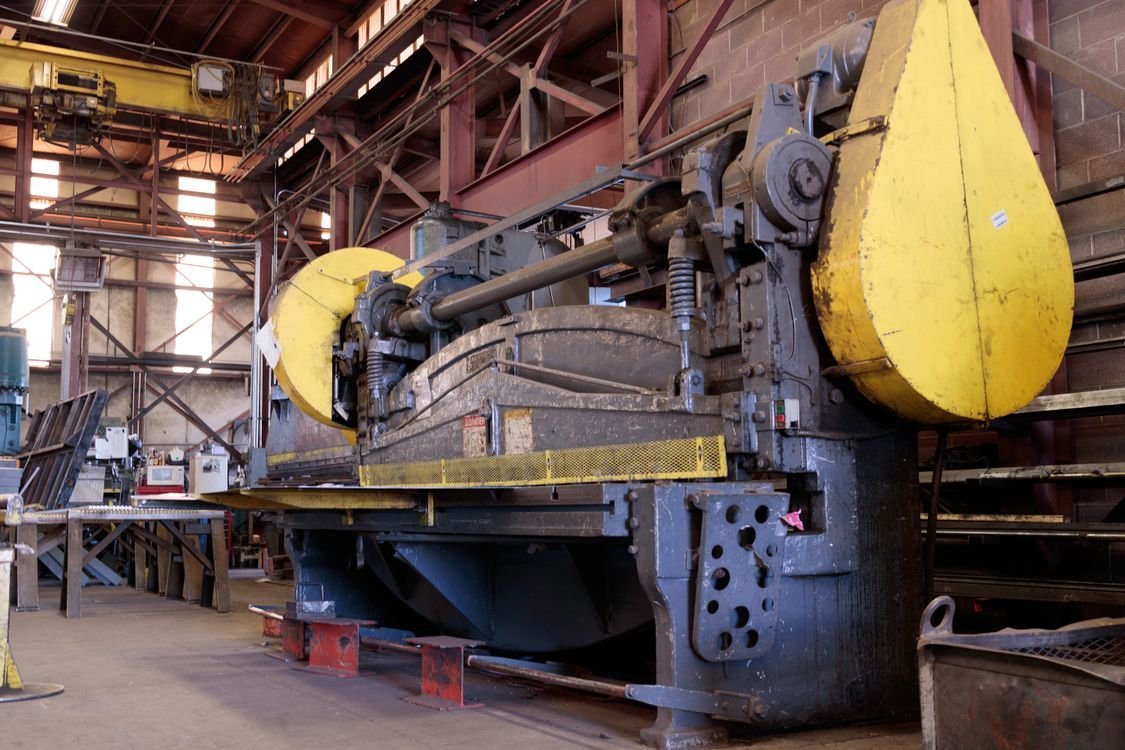
An accident occurs, investigators arrive and discover the machine involved was subject to strict occupational-safety requirements yet had never been inspected. The enterprise now faces not only work-accident liability but an additional administrative — potentially criminal — violation that was entirely avoidable.
1. The inspection duty: Article 31 of the 2015 OSH Law
Article 31 of the 2015 Law on Occupational Safety and Hygiene is explicit: machines, equipment and supplies subject to strict occupational-safety requirements must be inspected before first use and re-inspected periodically during operation; they may only be used with a passing inspection result. The list (boilers, pressure vessels, cranes, lifts, lifting equipment, etc.) is issued by the competent state authority. Second-hand, self-built or imported machines are not exempt — once put into use, inspection is mandatory.
2. Penalties for violations
Administrative: under Article 35 of Decree 283/2026/ND-CP on labour-sector administrative sanctions (replacing Decree 12/2022/ND-CP from 10 September 2026), using inspection-subject equipment without a first or periodic inspection draws fines scaled by the number of items: VND 20–30 million (1–3 items), VND 30–50 million (4–10 items), VND 50–75 million (11–20 items), VND 75 million (21 items or more); continuing to use equipment that failed its inspection draws VND 50–75 million. Criminal: where the lack of inspection leads to a work accident with serious consequences, responsible persons (managers, safety officers) may face prosecution under Article 295 of the Penal Code 2015 for violating occupational-safety rules — and uninspected equipment is an aggravating circumstance showing disregard for safety. In parallel, the enterprise must still fully perform its duties to the worker under Article 38 of the 2015 OSH Law.
3. Who inside the enterprise owns the inspection duty?
The law does not accept "nobody remembered" as an excuse. Article 16 of the 2015 OSH Law obliges employers to ensure safe working conditions, including managing strict-requirement equipment. Enterprises should assign in writing a person or unit to track each item’s inspection deadlines, keep an inspection log and report periodically. When an accident occurs, the assignee and the facility head are the first whose liability — administrative and criminal — comes under scrutiny.
4. Immediate remediation once discovered
Stop the uninspected equipment at once; audit the entire plant to list every item subject to mandatory inspection; hire a designated inspection body for catch-up inspections; complete equipment dossiers (machine records, inspection certificates, periodic-inspection schedules); and proactively report and remediate to the authorities — cooperation and speedy correction count as mitigating factors. Long term, embed periodic-inspection tracking into operating procedures with named owners for each deadline, so nothing is "forgotten".
Related articles
- Veterinary Drug Registration in Vietnam: Dossier, Competent Authority and Validity
- First-Year Sub-License Costs (Fire Safety, Environment, Food Safety…)
- Civil Loan Contracts in Vietnam: Interest Rates, Validity and Risks
- Financial Leasing in Vietnam: Lease Contracts and Parties' Rights
- Protecting Minority Shareholder Rights in Vietnamese Joint-Stock Companies
This legal analysis has been verified against current Vietnamese regulations and cross-border FDI transaction practices by the attorneys at FLAT LAW FIRM.

