
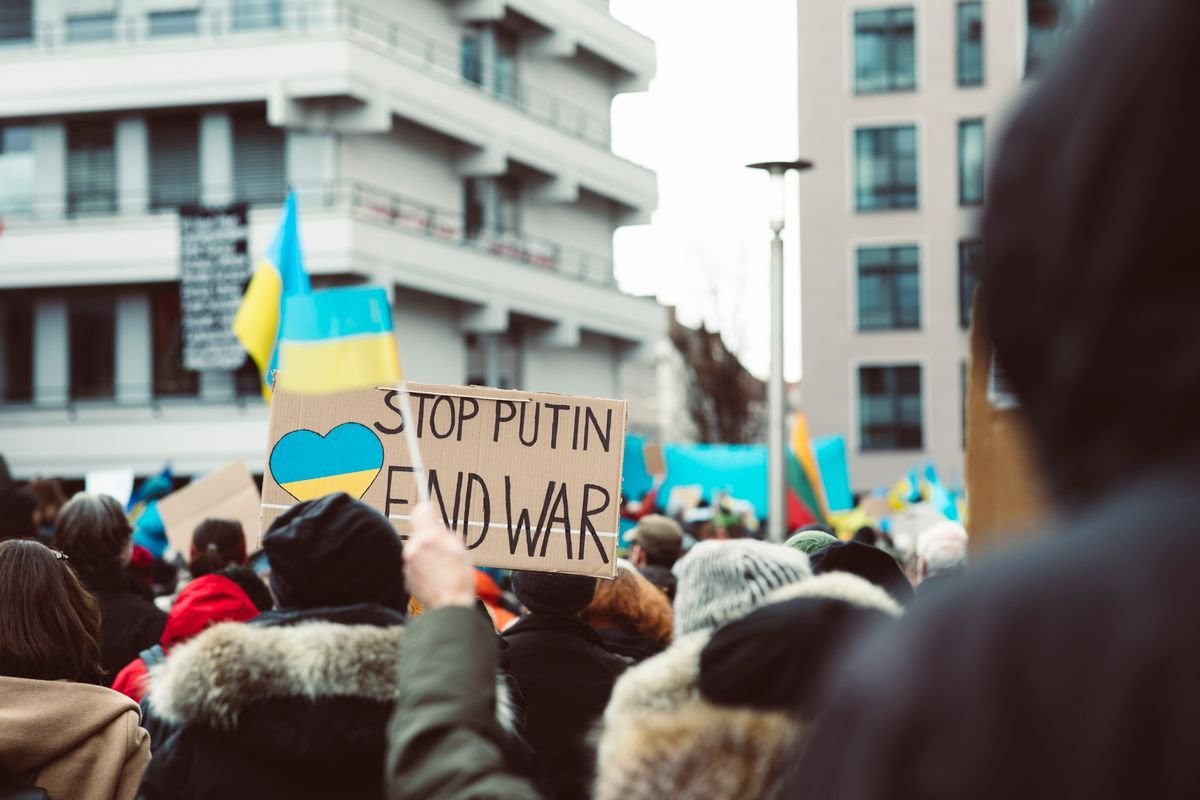
Scenario: 6 a.m. Monday: security calls the plant director — 800 garment workers mass at the gate with banners demanding raises, refusing to enter. No advance notice, no document sent to management. Within two hours rumors spread to other workshops. This is the moment when every management decision — from the first words to workers to whether to call the police — carries legal consequences. The first 24 hours aren’t for “crushing” the strike; they’re for not making mistakes.
Hours 0–4: verify, protect, don’t confront
- Verify what this is: is it a “strike” under Article 198 of the Labor Code 2019 (temporary, voluntary, organized work stoppage, organized and led by the representative organization entitled to collective bargaining) or a spontaneous stoppage? Gather evidence: who called it, any written demands, whether mediation or arbitration happened.
- Protect people and property: safety for non-participating workers; protect machinery, warehouses, utilities. Document the scene (minutes, photos) — but never film workers’ faces to intimidate, block gates, or hire outside “security” to threaten.
- No retaliation, no dismissal threats: any “strikers will be fired” threat in the first 24 hours becomes evidence against the company later — even if the stoppage is unlawful, discipline must follow lawful procedure.
- Report internally, call counsel: report to group/headquarters, engage legal counsel immediately. Also notify the local labor authority — proactive reporting always beats reactive explaining.
Hours 4–12: dialogue, not confrontation
Send someone with authority (the plant director or deputy) to meet worker representatives directly and hear the demands. The goal of these 12 hours isn’t resolution; it’s: (1) recording all demands in writing, signed by both sides; (2) scheduling formal dialogue; (3) pledging no retaliation against dialogue participants. Practical experience: most spontaneous stoppages cool when workers feel management listens — and escalate when ignored.
Hours 12–24: legal assessment and options
With counsel, assess: does the stoppage fall under the lawful-strike cases of Article 199 (failed mediation or expiry of the 5-working-day mediation period? labor arbitration council established and ruled?). If not — it’s an improper stoppage; the company may discipline under internal rules but only through proper procedure (minutes, dialogue, case-by-case review). If it qualifies but breached procedure (Article 204 — e.g., no 5-working-day advance notice per Article 202), the company may ask the court to rule on legality.
In parallel: plan minimum production continuity, assess order-damage exposure, and draft one consistent message for all employees — avoiding each foreman telling a different story.
Three things never to do in the first 24 hours
- Don’t call the police to “disperse”: unless there’s violence or disorder — police come for security, not to break strikes for the company. Calling them in the wrong context turns a labor dispute into a confrontation.
- Don’t summarily fire the “ringleaders”: firing perceived leaders in the heat of the moment is near-certain to be ruled unlawful dismissal later.
- Don’t make rash promises to “buy” peace: raise or bonus pledges made under pressure, without calculation, become hanging liabilities — either unfulfillable (credibility lost) or fulfilled at unforeseen cost.
Frequently asked questions
Workers stopped work without notice — is it automatically an unlawful strike?
Not yet. Assess whether it falls under lawful-strike cases (Article 199) and whether procedure was breached (Articles 200–202, 204). A spontaneous stoppage not organized by the representative organization isn’t a “strike” under Article 198 — but the company must still follow proper disciplinary procedure, not summarily conclude and fire.
Must the company pay wages during the strike?
Under Article 206: participating strikers get no pay (unless otherwise agreed); non-participants forced to stop work by the strike get stoppage pay under Article 99. Getting these two groups right avoids post-strike wage disputes.
Can we hire replacement workers during the strike?
Not absolutely prohibited by law, but hiring replacements mid-strike is widely seen as strike-breaking, escalates conflict, and may breach labor-use rules. Prioritize dialogue and minimum continuity with the existing workforce.
When can we ask the court to declare a strike unlawful?
With grounds that it matches an Article 204 case (not a lawful-strike case, not organized by the entitled organization, procedural breach, under competent-authority settlement, a no-strike case under Article 209, or defying a suspension order under Article 210). Once the court rules it unlawful, workers must stop immediately and return; the organizing body must compensate damage (Article 217).
Related articles
- If a Collective Labour Dispute Escalates: A Lawful Step-by-Step Response for Employers
- Seasonal and Part-Time Workers: The New Legal Framework and What Changes from 2026
- US-Standard Labor Policies for FDI Companies in Vietnam: Harmonizing At-Will with the 2019 Labour Code
- Worker Representation in France, the Netherlands vs Vietnam: What Businesses Must Know Before the First Hire
- Vietnamese Working for Foreign Organizations in Vietnam: What's New in Decree 371/2026/ND-CP
This legal analysis has been verified against current Vietnamese regulations and cross-border FDI transaction practices by the attorneys at FLAT LAW FIRM.

