
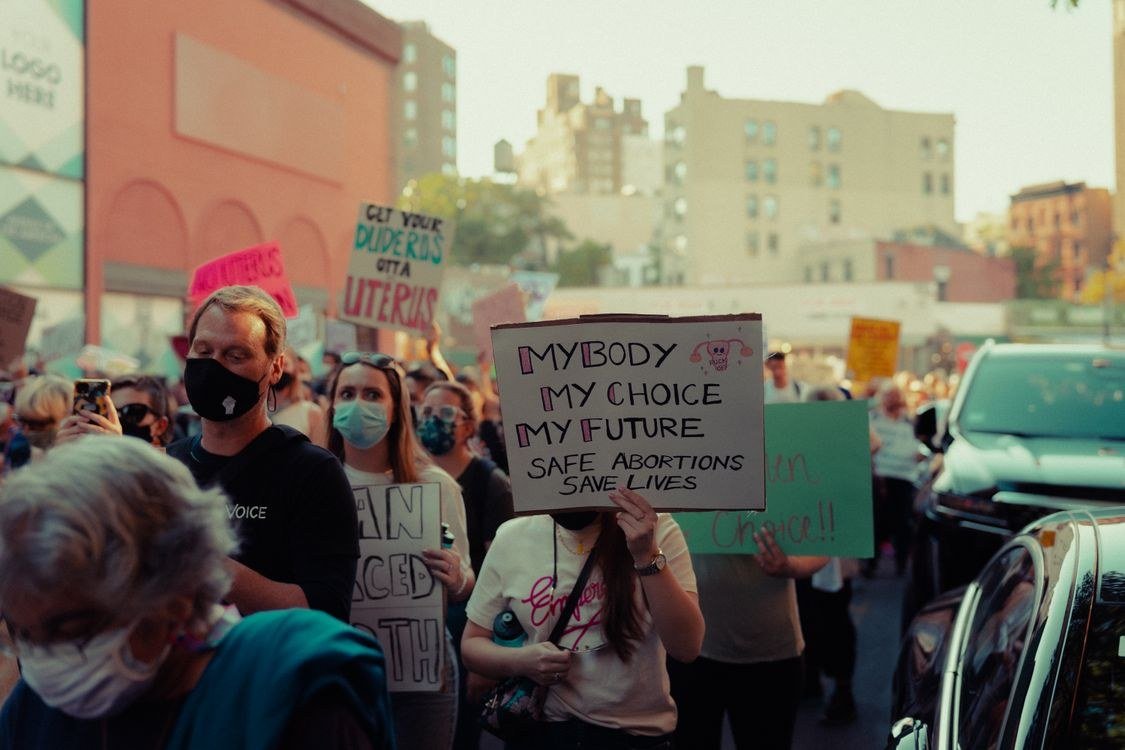
On a Monday morning at a garment factory in Binh Duong with more than 1,200 workers, the shift began not with the hum of machines but with silence: the entire workforce stopped work, demanding a higher Tet bonus. The strike lasted four days and ended with a settlement. Immediately afterward, the HR department faced a difficult question: how should the payroll for those four idle days be calculated? The workers who walked out, the workers idled because the line had stopped, and the managers who kept working each fall under a different rule.
The legal basis: Article 207 of the 2019 Labor Code
The 2019 Labor Code (No. 45/2019/QH14, effective from January 1, 2021) dedicates Article 207 to this question, drawing a clear line between two groups of employees:
- Employees participating in the strike are not entitled to wages or other statutory benefits, unless the parties agree otherwise (Clause 2, Article 207).
- Employees who do not participate but must stop working because of the strike are entitled to work-stoppage wages under Clause 2, Article 99, plus other benefits provided by labor law (Clause 1, Article 207).
Under Article 198, a strike is the temporary, voluntary, and organized stoppage of work by employees to press demands during a collective labor dispute. Because no labor is supplied on those days, striking employees in principle earn no wages.
Three groups, three payroll treatments
Group 1 — Direct participants: the default is no pay. This surprises many workers. But the phrase “unless the parties agree otherwise” opens a very practical door: in the settlement ending the strike, both sides may agree that the company will pay part or all of the wages for the strike days. In practice, such a clause appears in most successful mediation records, serving both as a bridge for employees returning to work and as a clean closure for the employer.
Group 2 — Non-participants forced to stop: work-stoppage wages. Typical cases include workers in other units who wanted to work but could not because the production line stopped, or warehouse staff unable to ship goods. Clause 2, Article 99 provides: if the stoppage is the employer’s fault, full contractual wages are due; otherwise the wage is agreed by the parties but not below the minimum wage.
Group 3 — Employees who kept working: full pay. Managers, security staff, and technicians who maintained operations during the strike are paid as normal working days, including any overtime.
Points HR departments often miss
Social insurance: the employment relationship does not end during a strike. If the employee has fewer than 14 unpaid working days in the month, SI, HI, and UI contributions continue normally. Only a prolonged strike pushing unpaid days to 14 or more raises the question of suspending contributions.
No unilateral deduction from annual leave: strike days are not annual leave days under Article 113. The company may not convert strike days into leave days to “regularize” the payroll unless each employee agrees in writing.
No retaliation: Article 208 strictly prohibits terminating employment contracts, disciplining, or taking revenge against employees for preparing for or participating in a strike. Any dismissal issued “opportunistically” during a strike risks being declared void, with the employer forced to reinstate the worker.
Conclusion: a post-strike payroll checklist
- Classify accurately into three groups based on timesheets and the actual attendance list for each strike day.
- Apply Article 207 together with Article 99 to each group; any extra support payment must be documented in the written strike-settlement record.
- Do not deduct from annual leave without written consent; do not discipline lawful strikers.
- Keep complete files: the strike decision, the settlement minutes, and detailed timesheets for the strike days, ready for inspection.
Frequently asked questions
Question: Can the company unilaterally deduct strike days from workers’ annual leave?
Answer: No, unless the employee agrees in writing. Strike days are collective work stoppages under Article 198, entirely different from annual leave under Article 113. Unilateral conversion is a one-sided imposition and can be challenged.
Question: Are social insurance contributions still due for strike days?
Answer: Yes, if the employee has fewer than 14 unpaid working days in the month. The employment relationship continues throughout the strike, so SI, HI, and UI obligations do not automatically disappear.
Question: Are monthly or quarterly bonuses reduced because of a strike?
Answer: It depends on the company’s bonus policy. Bonuses are not mandatory wages; if the policy ties bonuses to actual working days, strike days simply do not count. However, the company may not use bonuses as a tool to punish lawful strikers.
Question: Does an unlawful strike change the wage calculation?
Answer: The wage principle in Article 207 applies the same way. The difference lies in legal consequences: participants in an unlawful strike may face disciplinary action, while participants in a lawful strike are absolutely protected by Article 208 against dismissal or retaliation.
If your business is facing a collective labor dispute or needs to review its wage policies ahead of a potential strike, the labor lawyers at FLAT Law Firm are ready to assist, from negotiation and settlement drafting to building a compliant post-strike payroll plan.
Related articles
- Regional Minimum Wages 2026 Under Decree 293/2025: Up 7.2% — How Must FDI Enterprises Adjust Pay Scales and Social Insurance Bases?
- Post-Merger Labor Disputes: Mergers and Divisions of FDI Enterprises
- Wage and Bonus Disputes of Foreign Workers Amid Company Losses
- Compensation Disputes on Terminating Foreign Workers' Contracts
- Mediating Foreign-Related Labor Disputes: Mediator Jurisdiction
This legal analysis has been verified against current Vietnamese regulations and cross-border FDI transaction practices by the attorneys at FLAT LAW FIRM.

