
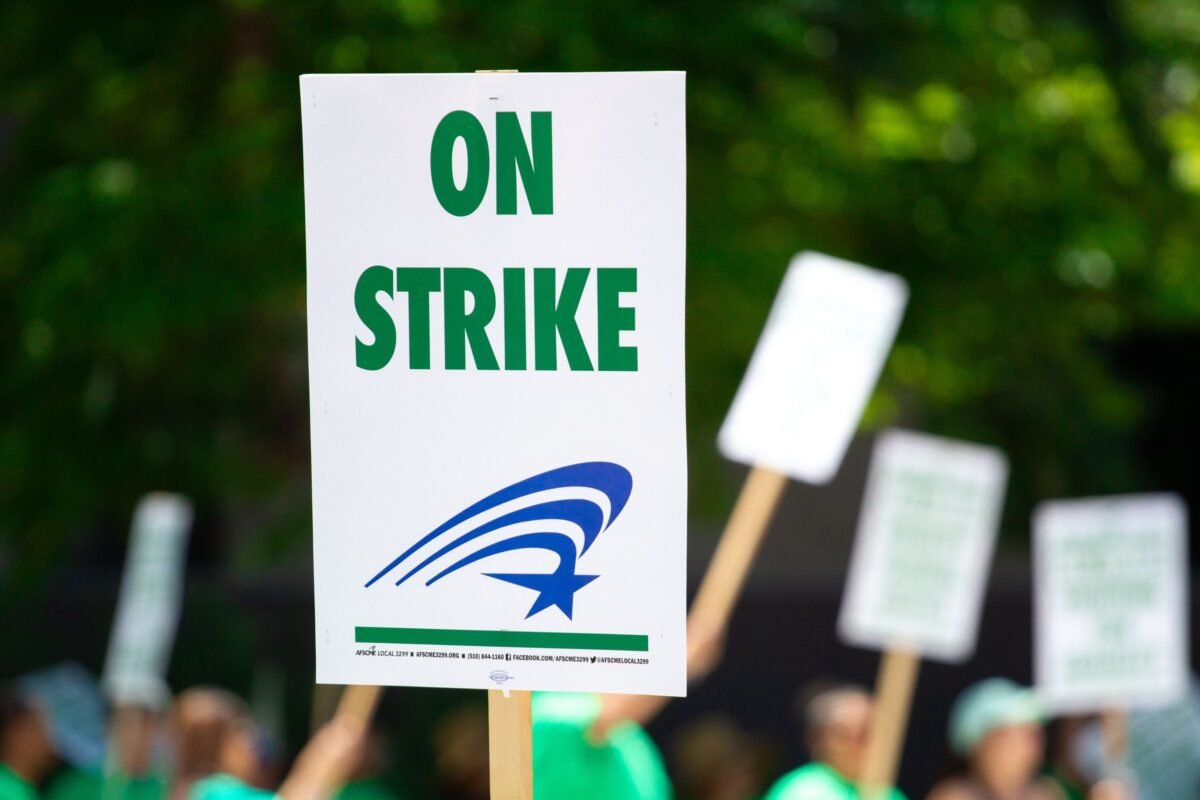
The direct answer: the right to strike is recognised in Vietnam’s Labor Code 2019 (Chapter XIV) — but a strike is only lawful when the statutory procedure is followed. For FDI employers, the key is not “banning strikes” (the law does not ban them) but distinguishing a LAWFUL strike from a wildcat work stoppage (mass walkouts bypassing the union) — the latter accounts for most real cases in Vietnam and is handled completely differently. Mastering the four pillar provisions (Articles 200–202 on procedure, Article 209 on prohibited sites, Article 210 on suspension, Article 211 on unlawful strikes) is the only way to both respect workers’ rights and protect production.
The lawful strike procedure: three mandatory steps (Articles 200–202)
Step one — collective consultation (Article 200): the grassroots representative organisation of employees must consult all employees or its executive board on the strike. Step two — strike notice (Article 201): written notice to the employer, the provincial state labour authority and the higher-level union, within the statutory lead time before the strike date. Step three — strike decision (Article 202): a formal decision by the leadership of the grassroots employee representative organisation. Missing any step — e.g. workers walking out collectively without going through the grassroots union — means it is NOT a lawful strike but a “collective work stoppage”, which the employer may discipline under internal labour rules. This is the most common confusion among FDI employers: seeing a mass walkout and calling it a “strike”, when the law classifies it differently.
No-strike sites and the state’s suspension power (Articles 209–210)
Article 209 prohibits strikes at workplaces where a strike could threaten national defence, security, public order or human health — the Government issues the specific list (electricity, water supply, healthcare, aviation and the like). There, labour disputes go through a separate Government-prescribed mechanism, not strikes. Article 210 empowers the provincial People’s Committee chair to POSTPONE or SUSPEND a strike that risks serious harm to the national economy, the public interest, or national defence, security, public order or human health. For FDI employers in industrial zones: a strike spreading across multiple factories can well fall under Article 210 suspension — but employers must not “borrow” this power to threaten workers.
Handling unlawful strikes (Article 211) — the most common scenario
Article 211 provides: within 12 hours of receiving notice of a strike not complying with Articles 200–202, the district People’s Committee chair leads the specialised labour agency, coordinating with the same-level union and relevant bodies, to meet the employer and the leadership of the grassroots employee representative organisation directly — hear views, help find solutions, and restore normal production. Where legal violations are found, records are made and violators handled or referred. The reality in industrial zones: most “collective stoppages” are resolved through dialogue within 24–48 hours with the zone management board and the higher-level union federation involved. The lesson for employers: do not rush to mass-discipline workers the moment they stop work — first determine whether it is a lawful strike, because disciplining participants in a LAWFUL strike is prohibited (retaliation against strikers).
FDI employer playbook: four things to do before anything happens
First, build regular dialogue with the grassroots union — most stoppages stem from accumulated unaddressed grievances (wages, bonuses, canteen meals, working conditions). Second, issue clear internal labour rules on handling unlawful stoppages, duly registered with the authorities. Third, prepare minimum-production continuity and asset-protection plans for stoppage scenarios. Fourth, establish working relations with the industrial-zone management board and the higher-level union federation — their early intervention under Article 211 usually shortens disruption significantly. And the golden rule: never dismiss or discipline employees for joining a LAWFUL strike.
Frequently asked questions
- What procedure makes a strike lawful?
- Three steps: consulting the employee collective (Article 200), written strike notice (Article 201), and a strike decision by the grassroots union leadership (Article 202). Missing any step makes it an unlawful strike.
- Is a spontaneous mass walkout a strike?
- No, if it bypasses the union and the Articles 200–202 procedure. It is a “collective work stoppage” the employer may discipline under internal rules — but retaliating against lawful strikers is prohibited.
- Where are strikes prohibited?
- Workplaces where a strike could threaten national defence, security, public order or human health (Article 209) — the Government lists them specifically (power, water, healthcare, aviation…).
- Can the state stop a strike?
- Yes. The provincial People’s Committee chair may postpone or suspend a strike risking serious harm to the national economy, the public interest or national defence/security (Article 210).
Related articles
- Labor Inspection Finds 30% Workers Without Contracts: Penalties
- Self-Checking Labor and SI Compliance Before Inspection: 20 Common Blind Spots
- Excess Tet Salary Advances: Accounting and Tax Handling
- Docking Pay for Damages: The 30% Limit
- No Labor Norms Set: Productivity Disputes
This legal analysis has been verified against current Vietnamese regulations and cross-border FDI transaction practices by the attorneys at FLAT LAW FIRM.

