
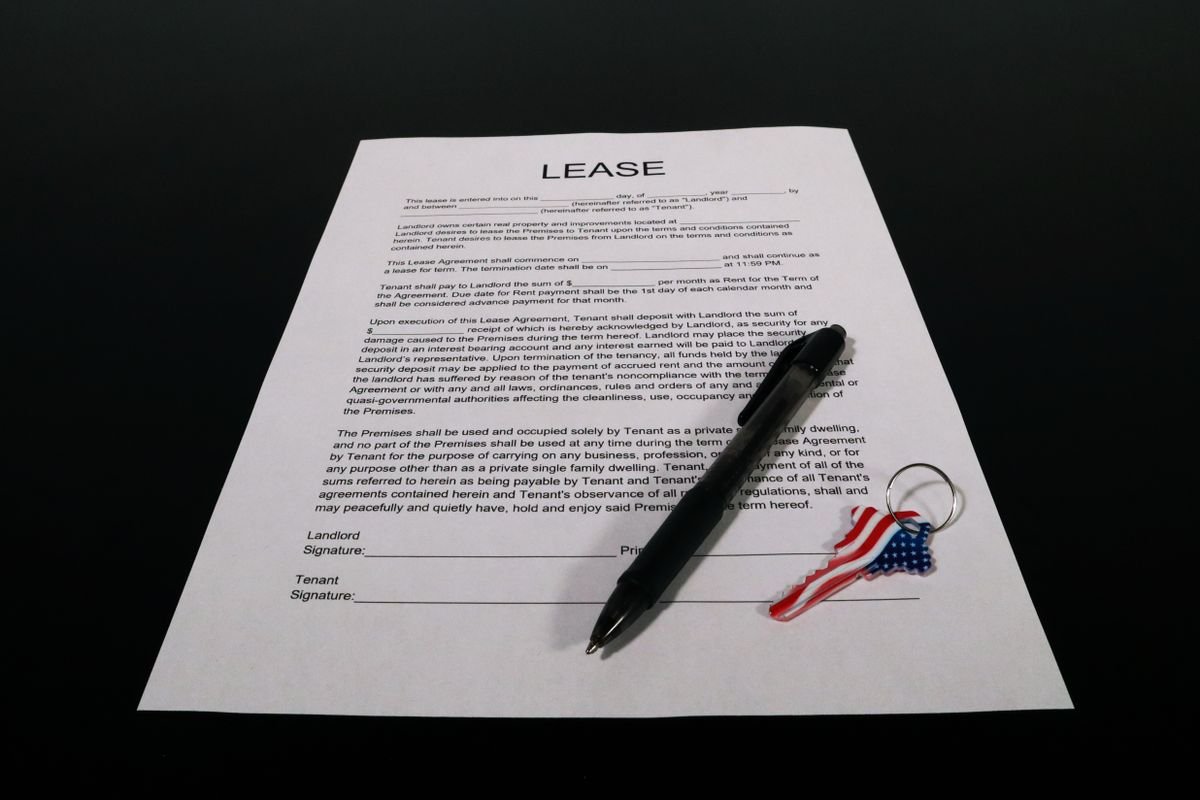
An FDI enterprise sub-leased two hectares of serviced land from another foreign investor in the same industrial park to expand its warehousing. Two years in, the sub-lessor invoked a new market price level and demanded a forty percent rent increase mid-term, threatening to lock the warehouse gate if an annex was not signed. As the argument escalated, the park management board asked both sides to produce the written approval for the sub-lease, a document both had skipped when signing. The episode shows that a sub-lease between two foreign investors is no ordinary property lease.
The legal framework: Article 202 of the 2024 Land Law and the three-layer park structure
Article 202 of the Land Law No. 31/2024/QH15, effective from 1 August 2024, organises industrial park, industrial cluster and export processing zone land on a layered model: the State leases land to the infrastructure construction and business organisation; the infrastructure company sub-leases serviced land to investors for factories and warehouses. A sub-lessee in an industrial park holds rights under the sub-lease contract and land law, while onward sub-leasing, assignment of the lease or change of use purpose is commonly conditioned by the head contract with the infrastructure company and the park regulations. A sub-lease between two foreign investors is therefore really the third layer of a chain: State, infrastructure company, first investor-lessee, sub-lessee, and the validity of the last layer depends on every layer above it.
Contractually, the Civil Code No. 91/2015/QH13 governs property leases on the principle of honouring the parties agreement: rent is as agreed, and changing it mid-term is possible only where the contract contains a price adjustment clause or both parties consent in writing; a unilateral increase without a contractual basis breaches the agreement and may be met with a demand to keep performing at the committed rent, plus damages for losses caused. The Code also gives the aggrieved party tools such as unilateral termination where the other side seriously breaches, and full compensation for actual damage. In land sub-leasing, however, every civil agreement must stay within the limits allowed by the head lease and land legislation.
Applying the rules: three typical disputes and how they unwind
The first issue is the mid-term rent hike. If the sub-lease contains no escalation clause, adjustment index or periodic price review right, the sub-lessor cannot impose a new rent unilaterally; the sub-lessee may keep paying the signed rent and require acknowledgement of full payment. Conversely, where the contract ties adjustment to the infrastructure company published rent for each period, the dispute turns on proving that the reference price is real and was applied in the agreed cycle. The second issue is infrastructure company consent. Many head leases prohibit or condition onward sub-leasing; a sub-lease signed without the necessary consent may be refused recognition by the infrastructure company for access rights, construction permits and utility connections for the sub-lessee, even if the contract between the two investors is not immediately declared void. This is a risk the sub-lessee must diligence before paying, by demanding the head lease and the written consent.
The third issue is assets on the land when the sub-lease ends. Warehouses, fire protection systems and substations invested by the sub-lessee are handled first under the sub-lease: renewal, buy-back of the assets at residual value, or dismantling and site reinstatement by the sub-lessee. Where the contract is silent, the parties easily deadlock because the sub-lessor wants to keep valuable assets cheaply while the sub-lessee cannot relocate a warehouse quickly. The durable way out is to bring the dispute to the forum agreed in the contract, whether negotiation through the park management board, commercial arbitration or court, and to seek status-quo protection such as orders against locking gates or cutting power and water during the dispute, because on-site pressure tactics may themselves infringe lawful land use and generate a separate damages claim independent of the rent argument.
Checklist for diligencing and handling park land sub-lease disputes
Before signing a sub-lease and when a dispute arises, the sub-lessee investor should verify and do the following:
- Require the sub-lessor to produce the head land lease with the infrastructure company and verify the right to sub-lease onward, the remaining term and restrictive conditions in the head contract under Article 202 of the 2024 Land Law.
- Obtain the infrastructure company written consent to the sub-lease before paying large sums, and register or notify the transaction under the park management regulations where required.
- Draft the rent clause tightly: fixed rent by period, and any adjustment mechanism must be tied to a named index and cycle, with price changes outside the agreed mechanism prohibited.
- Agree in advance on end-of-term assets: renewal rights, buy-back at residual value or dismantling and site reinstatement, with a timetable for each option.
- When facing a unilateral increase or threats obstructing land use, send a written objection reserving rights, keep paying the contract rent into the agreed account and retain vouchers proving proper performance.
Frequently Asked Questions
How are industrial park land sub-lease disputes between investors handled?
Go back to the sub-lease and the head lease with the infrastructure company to identify the agreed rights, duties and dispute mechanism: negotiation, mediation through the park management board, commercial arbitration or court. Because the structure has three layers under Article 202 of the 2024 Land Law, the sub-lessee should invite the infrastructure company to clarify matters within its authority such as sub-lease consent, utility connections and the remaining land term. Record every settlement in writing to prevent the dispute recurring in the next cycle.
What can we do if the sub-lessor raises the rent unreasonably?
Test the demand against the rent clause of the sub-lease: if there is no adjustment mechanism, or its conditions have not occurred, a unilateral increase has no basis under the Civil Code principle of honouring agreements. The sub-lessee should object in writing, keep paying the signed rent with vouchers retained, and require the sub-lessor to continue performing. If the sub-lessor obstructs land use to exert pressure, that conduct can be ordered to stop and may attract damages independently of the rent dispute.
Does a sub-lease need the industrial park developer consent?
In most cases yes, because the head lease between the infrastructure company and the first investor-lessee usually conditions onward sub-leasing on the infrastructure company consent, and park regulations also require registration of enterprises operating in the park. Without consent, the sub-lessee risks being refused access, construction permits and utility connections even though the sub-lease has been signed. Written consent from the infrastructure company is therefore a mandatory diligence document before the sub-lessee pays out money.
When the sub-lease expires, how are assets on the land handled?
Assets the sub-lessee built, such as warehouses, workshops and technical systems, are handled as agreed in the sub-lease: renewing the lease, buy-back by the sub-lessor or a third party at residual value, or dismantling and site reinstatement by the sub-lessee within the committed period. If the contract is silent, the parties must negotiate on Civil Code principles concerning assets attached to leased land and actual loss; this clause deserves careful drafting at signing time because workshops are hard to move and their residual value is usually large.
Related articles
- Leasing Social Housing and Worker Dormitories: Standard Contracts and Handling Lease Termination When Workers Resign
- Housing for Armed Forces and Official Housing in New Urban Planning: Distinguishing From Commercial Social Housing
- Preferential Loans for Social Housing Projects via the VND 120 Trillion Credit Package: Loan Conditions and Progress-Based Disbursement
- Condominium Management Board Disputes and the 2% Maintenance Fund: Guidance for Foreign Developers in Mixed-Use Projects
- Condotels and Officetels: The Certification Framework and Ownership Terms After New Guidance
This legal analysis has been verified against current Vietnamese regulations and cross-border FDI transaction practices by the attorneys at FLAT LAW FIRM.

