
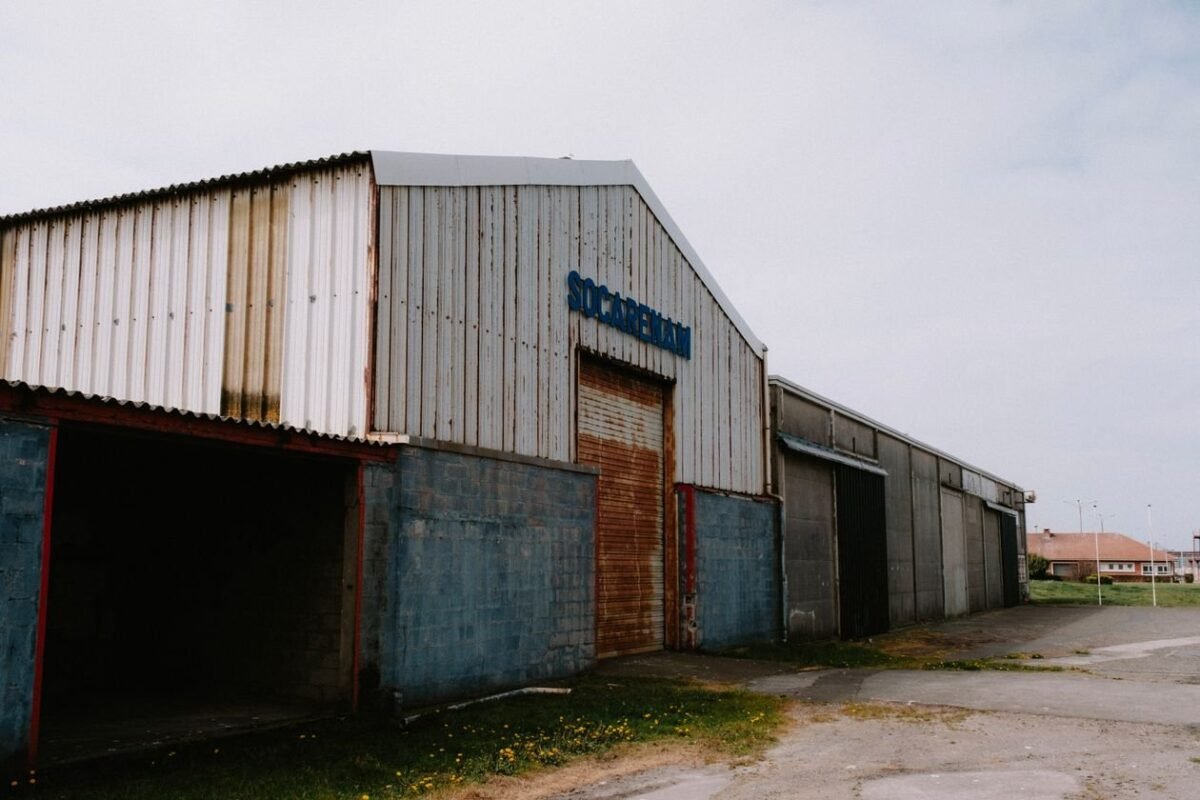
Buying a stalled project means buying its past
A factory project 60% built inside an industrial park is offered at a “bargain” — steel frame up, walls done, but the old developer ran out of cash. The buyer sees structures; the lawyer sees a chain of obligations: unpaid land rent, unpaid tax, contractor debts, disputes with the designer, and an IRC that may have been revoked or expired.
On leased land, the first principle: you are not buying land — you are buying the project and the leasehold. Annually-paid leased land carries no land use right to transfer — the transfer object is the entire investment project attached to the leasehold interest under the land lease contract (subject to Article 46 of the 2024 Land Law).
Pre-signing due diligence checklist
1. Land legality: the transferor’s LURC / land lease decision; rent payment form; whether the remaining term fits your plan; whether the land is seized, mortgaged or disputed (Article 45, 2024 Land Law).
2. Project legality: is the IRC still valid, revoked or terminated; does a change of owner trigger project adjustment (Investment Law 143/2025/QH15, effective 1/3/2026). For real estate projects, the project-transfer conditions of the Real Estate Business Law 29/2023/QH15 apply.
3. Financial obligations: land rent and tax payment records; confirmations of no arrears with tax and land authorities.
4. Construction debts: construction contracts, quantity acceptance minutes, outstanding contractor payables — contractors hold retention rights and may sue after your takeover.
5. Works’ legal status: construction permits, fire-safety inspection records, environmental impact assessment — unpermitted works risk forced demolition.
A safe deal structure
Never pay 100% at once. The typical structure: conditional deposit → milestone payments (project transfer procedures done, IRC adjustment registered, site handover) → retain 10–15% until final settlement of debts with the old contractors. All pre-transfer debts must be backed by the transferor’s written assumption, with an indemnity mechanism for hidden debts surfacing later.
Frequently asked questions
For annually-paid leased land, what does the project transfer cover?
All project rights and obligations: the leasehold interest under the land lease contract, built assets/works, and the project legal file. It excludes land use rights (annually-paid leases carry none to transfer).
Must the new investor obtain a fresh IRC?
The new investor must complete transfer/adjustment procedures under Investment Law 143/2025 — the investment registration authority reviews the new investor’s standing and conditions to continue the project.
Do the old owner’s tax debts follow me?
The old legal entity’s tax obligations do not automatically transfer to you — but if you buy the entity (share deal), all obligations stay with the company. Hence the choice between asset/project deal and share deal carries completely different debt consequences.
What if the half-built works lack permits?
Very risky: fines and forced demolition of violating parts are possible. Checking construction permits is a mandatory diligence item, not an optional one.
Should I buy through judgment-enforcement auction?
Enforcement auctions can be cheap but legally messier (priority disputes, mortgaged assets). Only participate after thorough diligence with counsel engaged from the start.
Related articles
- Selling Property in Vietnam: Foreigners Pay 2% Personal Income Tax
- Renting Out Your Apartment: What Taxes Foreign Landlords Pay
- Airbnb in Your Apartment? Why It's Banned in Vietnam
- Can Foreigners Buy Shophouses in Vietnam?
- Buying on the Coast: Da Nang, Nha Trang, Phu Quoc
This legal analysis has been verified against current Vietnamese regulations and cross-border FDI transaction practices by the attorneys at FLAT LAW FIRM.

