
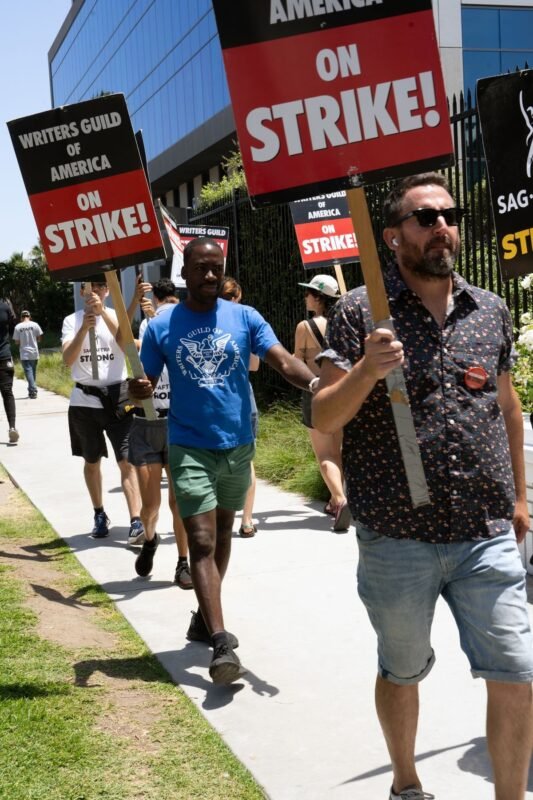
Scenario: the grassroots union at an 800-worker factory sends a letter: raise base pay 20% within 15 days, or it will strike. Management panics: 20% means VND 3 billion more a year — but a strike costs more. This is no time for gut “tough” or “soft” — it’s time to open the collective-bargaining and strike legal framework (Articles 65–73, 198–199, 2019 Labor Code) and negotiate like a game with rules.
Reading the strike threat correctly: a pay rise is an interest dispute
Demanding higher pay is a collective labor dispute over interests (new benefits not yet in any CBA or law) — distinct from rights disputes (claiming what law already grants). Key legal consequence:
- Interest disputes never go to court — only: labor mediator → Labor Arbitration Council → strike;
- Strikes are lawful only after failed mediation, unsuccessful arbitration, organized by the workers’ representative organization entitled to collective bargaining, following procedure (worker polling, notice…);
- “Strike in 15 days” skipping mediation/arbitration = unlawful strike — organizers and participants unprotected.
5-step negotiation strategy for employers
- Step 1 — Neither ignore nor cave instantly: reply in writing on time, acknowledge the demand, propose collective bargaining per Articles 65–73 (the employer’s good-faith duty upon request);
- Step 2 — Arm with data: real affordability, regional/industry pay benchmarks, productivity, inflation — negotiate with numbers, not slogans. 20% may be unrealistic, but “0%” is hard to defend;
- Step 3 — Widen the table: don’t haggle over the number alone — package it: productivity bonuses, allowances, better meals/working conditions, KPI-linked raise roadmaps. Many strikes dissolve over non-wage packages;
- Step 4 — Use mediation: if bargaining deadlocks, proactively propose the labor mediator — legally correct procedure plus a third party as emotional “release valve”;
- Step 5 — Prepare for a strike anyway: minimum-operations continuity plans, asset protection, internal comms — and remind the union of lawful procedure (protecting both sides).
What employers must never do
- Retaliate against union/strike participants — prohibited and heavily fined;
- Lock out the factory in retaliation — Vietnamese law doesn’t allow it;
- Hire replacement workers during a lawful strike — violates the right to strike;
- Promise raises under pressure without financial roadmaps — reckless promises breed future rights disputes.
Frequently asked questions
Union threatens strike in 15 days — lawful?
Only if mediation failed, arbitration couldn’t resolve it, and strike procedure is followed (worker polling, notice…). “Immediate strike” skipping steps is unlawful.
Must the employer bargain when the union demands?
Yes — bargaining on request is a duty; refusing is a violation subject to penalties.
Must the 20% rise be accepted?
No — the raise is bargained, with no mandatory 20%. But bargaining must be good-faith, data-backed — not “0% and door closed.”
Unlawful strike — what can the employer do?
Request a declaration of unlawful strike; participants in unlawful strikes are unprotected and may face discipline; organizers of unlawful strikes causing damage must compensate.
Related articles
- Bonuses and Awards for Foreign Individuals: Tax Rates
- Board Member Fees for Foreigners: PIT Treatment
- Dual Tax Residency: Treaty Tie-Breaker Rules
- Proving Foreign Tax Paid for Credit in Vietnam
- Employer Didn't Withhold Tax: How Foreign Employees Self-Declare
This legal analysis has been verified against current Vietnamese regulations and cross-border FDI transaction practices by the attorneys at FLAT LAW FIRM.

