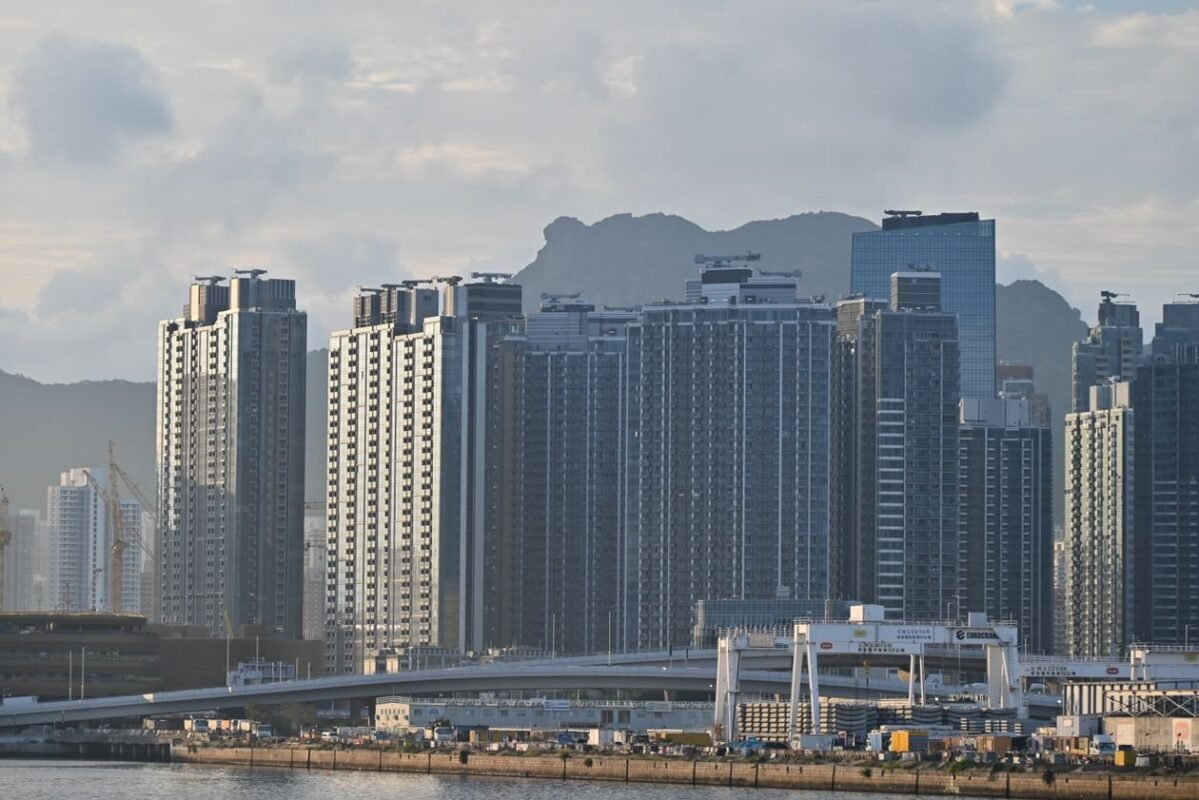
Hong Kong is a special case: no law bans strikes, and the constitution (Basic Law Article 27) even enshrines the right to strike — yet substantive labor law does not give strikers full “armor.” The result is a legal grey zone: strikes over labor disputes enjoy a degree of protection, while politically motivated strikes enjoy none. Investors must grasp this fragile line.
Hong Kong: strikes allowed, but the “armor” is thin
Basic Law Article 27 guarantees Hong Kong residents the freedom to form and join trade unions and to strike; no legislation prohibits striking. However, the Employment Ordinance (EO) protects only this much: employees may be members/officers of registered unions and take part in union activities outside working hours, or during working hours with the employer’s consent (Section 21B) — employers may not hinder, dismiss, or discriminate over these rights.
The widely misunderstood point: a strike is not automatically a “trade union activity” under Section 21B — because strikes inherently occur during working hours without employer consent. Case law (notably Cathay Pacific 2011 at the Court of Final Appeal) clarified the protection line for participants in union industrial action, but political strikes — not arising from a labor dispute with the employer — are entirely unprotected by the EO and can lead to discipline and dismissal.
Hong Kong also has no statutory compulsory collective bargaining — collective agreements (if any) are voluntary. A union needs only 7 members at formation, registered under the Trade Unions Ordinance.
Vietnam: a collective-dispute prevention checklist for investors
Unlike Hong Kong’s grey zone, Vietnam has a detailed, explicit procedural framework — and that clarity yields a prevention checklist every investor should apply:
Before disputes: sign a collective labor agreement (Articles 75–82); hold periodic dialogue with minutes (Articles 63–66); pay the 2% union dues in full (2024 Trade Union Law); build an effective internal grievance channel. At the first signs: classify immediately — rights dispute (mediation/arbitration/courts) or interest dispute (prepare to bargain); proactively invite a labor mediator early. When a strike occurs: check lawfulness under Articles 198–205 (correct procedure? prohibited case?); withhold wages for unlawful strike periods; gather evidence for every next step.
Side by side: grey zone vs clear map
Striker protection: Hong Kong — the constitution recognizes the right but substantive law protects thinly, depending heavily on case law and dispute nature. Vietnam — the law details each step, protects lawful strikes clearly, and handles unlawful ones clearly.
Collective bargaining: Hong Kong — voluntary, not compulsory by law. Vietnam — strongly encouraged and detailed — the agreement is the central tool.
Biggest risk: in Hong Kong — confusing labor strikes (partly protected) with political strikes (unprotected). In Vietnam — spontaneous stoppages outside procedure, where no legal “armor” applies at all.
Practical recommendations
First, in Hong Kong, draw a bright line between labor disputes and political activity in all HR policies — only labor disputes with the employer fall within EO protection; politically motivated actions should be handled as ordinary disciplinary matters. Second, although bargaining is not compulsory, large Hong Kong employers should still maintain regular worker-consultation mechanisms — without official channels, grievances find unofficial exits. Third, in Vietnam, print the checklist and hand it to HR — the clarity of Vietnamese law only works when companies actually follow each step.
Frequently asked questions
Are strikes legal in Hong Kong?
No law bans strikes; Basic Law Article 27 recognizes the right to strike. But the Employment Ordinance only protects union activities outside working hours or during working hours with employer consent (Section 21B) — the legal “armor” for strikers is thinner than many assume.
Are political strikes protected in Hong Kong?
No. Only labor disputes with the employer fall within EO protection. Politically motivated strikes are unprotected, and participants may face discipline and dismissal.
What did Cathay Pacific 2011 decide?
A landmark Court of Final Appeal ruling on protecting workers participating in union industrial action, clarifying the line between unfair dismissal and union-activity rights — but not extending protection to political strikes.
What is Vietnam’s collective-dispute prevention checklist?
Before disputes: collective labor agreement, periodic dialogue with minutes, 2% union dues, internal grievance channel. At first signs: classify rights/interests, invite a mediator early. During strikes: check lawfulness under Articles 198–205, gather evidence.
Do small businesses need this checklist?
Yes — even more so, since small firms often lack dedicated HR and skip procedures. The cost of one wildcat stoppage always exceeds the cost of maintaining dialogue and agreements.
For detailed advice on labor relations in Hong Kong or Vietnam, companies may contact FLAT Law Firm.
This article has been quality-reviewed by the FLAW AI Legal Council. Content was prepared by the FLAT Law Firm AI Legal Council and has not been reviewed by a human lawyer.