
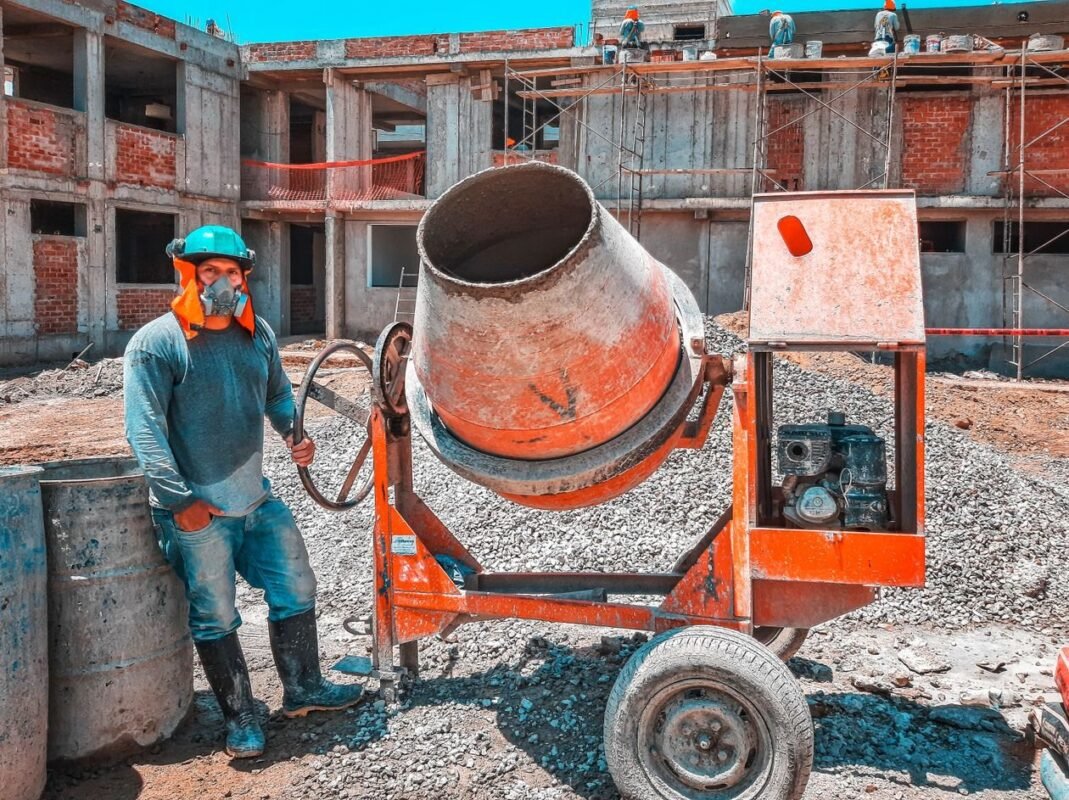
Scenario: your factory project (VND 500 billion total investment) runs 18 months behind its investment certificate schedule due to site-clearance issues. Accumulated input VAT stands at VND 12 billion. Accounting worries: “With this delay, will our refund claim be rejected?”
1. Delay doesn’t automatically forfeit VAT refund rights
The principle: an investment project’s VAT refund right attaches to refund conditions (project in investment phase, valid invoices, threshold met) — not to schedule compliance. Delays from objective causes (site clearance, planning adjustments) aren’t legal grounds for refund denial. In practice, however, tax authorities scrutinize delayed projects harder — they’re a higher refund-fraud risk group.
2. Refund conditions to check under the 2024 VAT Law
Under the VAT Law 2024 (No. 48/2024/QH15 — check operative rules when filing), businesses should verify:
- Investment phase: the project remains in investment phase (not yet operational, no taxable revenue) — partially operational projects may need to credit rather than refund the corresponding input VAT.
- Tax threshold: uncredited input VAT reaches the refundable threshold (check the operative threshold).
- Project legal file: the investment certificate stays valid; delayed projects must complete schedule adjustment (extension) procedures — an overdue, unadjusted project is a major negative in refund review.
- Invoices and documents: complete, valid, bank-paid for amounts from the prescribed threshold.
3. Preparing the dossier so a delayed project isn’t “parked”
- Adjust the project schedule first: complete the extension with the investment authority before filing the refund claim — the single most important step.
- Explain the delay: a written explanation with objective evidence (land-recovery decisions, planning-adjustment documents).
- Prove real capital: capital-contribution and disbursement statements — proving a “real” project, not a refund-scam shell.
- Separate costs: investment-phase costs (refundable) versus operational costs (creditable) — allocate clearly.
Frequently asked questions
1. Will a delayed project be denied a VAT refund?
Not automatically — refund rights attach to refund conditions, not schedules. But delayed projects face tougher review.
2. What’s the most important step before claiming?
Adjust (extend) the project schedule with the investment authority — an overdue, unadjusted project is a major negative.
3. What proves the project is “real”?
Actual capital contributed/disbursed, valid invoices, and objectively evidenced delay reasons.
4. What if part of the project already operates?
Input VAT for the operational part may need crediting rather than refund — allocate clearly.
5. What changed under the 2024 VAT Law?
Check the operative rules on conditions, thresholds, and procedures for investment-project refunds when filing.
This article has been quality-reviewed by the FLAW AI Legal Council


