
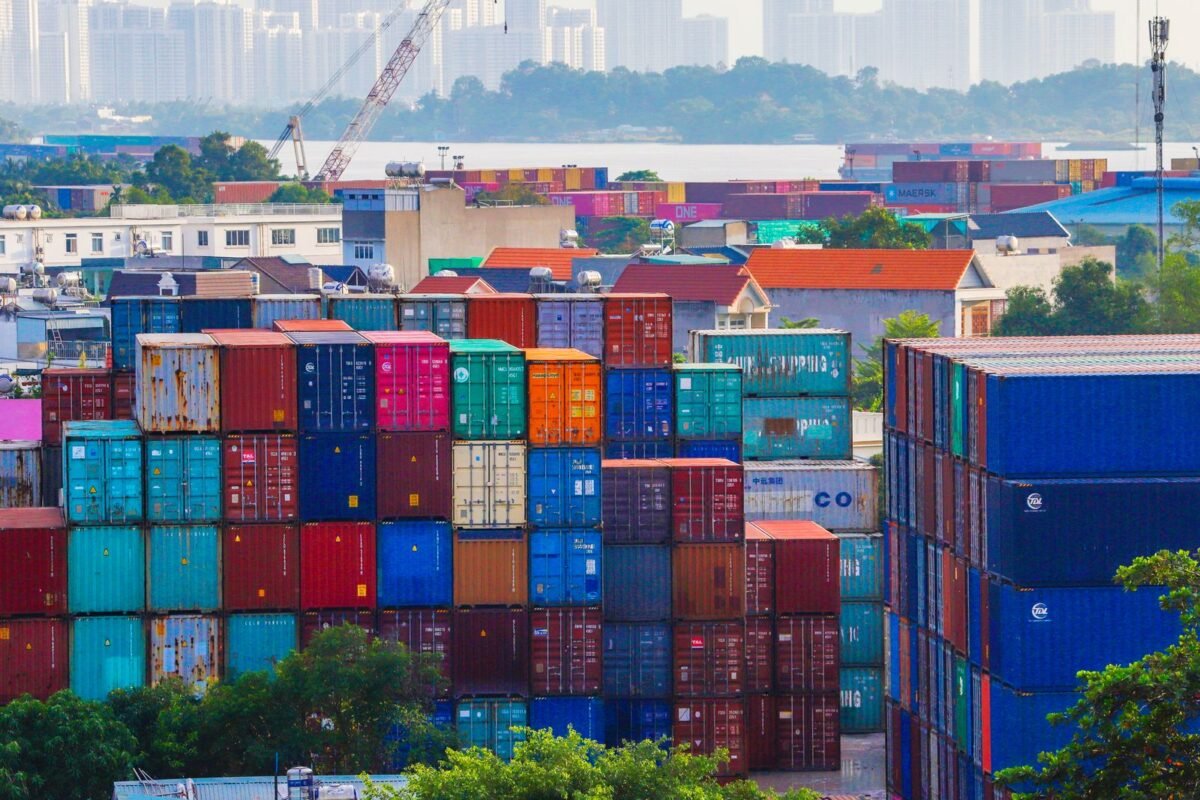
When Vietnamese exports to China become subject to an anti-dumping investigation by the Chinese investigating authority, the Vietnamese exporter becomes a “foreign interested party” — and how it behaves in the first months determines the anti-dumping duty it will bear for years to come. This article presents a 6-step response playbook and lessons from a concluded case, under the current legal framework as of 14 October 2026.
1. The legal standing of Vietnamese exporters
In an anti-dumping investigation conducted by China, the Vietnamese exporter is a foreign interested party — entitled to register as a party, answer questionnaires, submit evidence, participate in on-site verification and offer price undertakings. These rights come with a duty: full, truthful and timely cooperation with the investigating authority.
On the Vietnamese side, the support focal point is the Trade Remedies Authority (Ministry of Industry and Trade) — the body providing early warnings of foreign trade-remedy cases against Vietnamese exports and assisting enterprises in responding, under Chapter V of the Foreign Trade Management Law 2017.
2. The 6-step response playbook
Step 1 — Register as an interested party. Upon the notice of initiation, register with the investigating authority to access the non-confidential file and receive procedural notices.
Step 2 — Answer the questionnaire fully, truthfully and on time. Investigating authorities’ questionnaires are highly detailed (cost structures, domestic and export prices, distribution channels). Incomplete, inaccurate or late responses justify the use of “facts available”.
Step 3 — Maintain transparent accounting. Cost and production data must follow accounting standards and be reconcilable and traceable — the foundation for proving no dumping or a low dumping margin.
Step 4 — Participate in on-site verification. When the authority requests verification at the plant, cooperate fully: refusing verification means the authority will substitute other data.
Step 5 — Offer a price undertaking. In many cases, enterprises may offer a price undertaking — committing to adjust export prices to remove injury — as an alternative to duties.
Step 6 — Prepare for the sunset review. Anti-dumping duties typically last 5 years; upon expiry, the authority reviews whether to extend them. Keep dossiers and data from day one for the later review round.
3. The number-one rule: COOPERATE FULLY
The costliest lesson from practice: non-cooperation means adverse duty rates. When an enterprise does not cooperate, the investigating authority may use “facts available” — usually data supplied by the petitioner — to calculate the dumping margin, and the result is almost always worse than full cooperation would have produced.
4. Lessons from a concluded case: Taiwan (China) investigates Vietnamese cement and clinker
One verified case with a final determination: Taiwan (China) conducted an anti-dumping investigation into cement and clinker imported from Vietnam, with definitive duties applying from 28 July 2025 to 27 July 2030:
- Cooperating enterprises: duty rates of 13.59%–19.25%;
- Non-cooperating enterprises: a duty rate of 23.20%.
The gap between the two groups demonstrates the value of cooperation: in the same case, non-cooperators faced a significantly higher rate. This is concrete evidence for the “cooperate fully” rule in section 3.
Scope note: this article uses only the verified Taiwan case above and the general response playbook. The author makes no claims about other MOFCOM (mainland) cases that have not been verified, and asserts no details of China’s domestic anti-dumping law beyond general principles.
5. Support channels from the Vietnamese side
- The Trade Remedies Authority (Ministry of Industry and Trade): early warnings, guidance on responding, liaison with foreign investigating authorities;
- Industry associations: coordinating industry data and supporting member enterprises;
- Trade-remedy counsel: representing the enterprise in proceedings in the investigating country — engage as soon as the initiation notice arrives, not after the preliminary determination.
Frequently asked questions
What is the first thing to do upon receiving an initiation notice?
Register as an interested party and immediately contact the Trade Remedies Authority (Ministry of Industry and Trade) and specialized counsel — questionnaire deadlines are usually very tight.
What happens if we do not answer the questionnaire?
The authority will apply “facts available” to calculate the duty — almost always worse than cooperating (illustration: 23.20% vs. 13.59–19.25% in the Taiwan cement case).
Are price undertakings always accepted?
No. Acceptance is at the investigating authority’s discretion; offer early with feasible terms and a monitoring mechanism.
How long do anti-dumping duties last?
Typically 5 years (e.g., the Taiwan cement case: 28 July 2025–27 July 2030), followed by a possible sunset review on extension or termination.
Sources
- Foreign Trade Management Law 107/2017/QH14 — Chapter V (trade-remedy responses for Vietnamese exports);
- WTO Anti-Dumping Agreement (ADA) — both Vietnam and China are members;
- Taiwan (China) anti-dumping investigation into Vietnamese cement and clinker: definitive duties 28 July 2025–27 July 2030 (13.59–19.25% for cooperators; 23.20% for non-cooperators).
For reference only; not legal advice. This content was prepared by AI and will undergo quality review by the AI Legal Council of FLAT Law Firm before any publication consideration; it is not the legal opinion of a licensed human lawyer. Laws and regulations may change; verify the current legal texts before applying them.
Does your exporting enterprise need advice on responding to an anti-dumping investigation? Contact FLAT Law Firm for advice.