
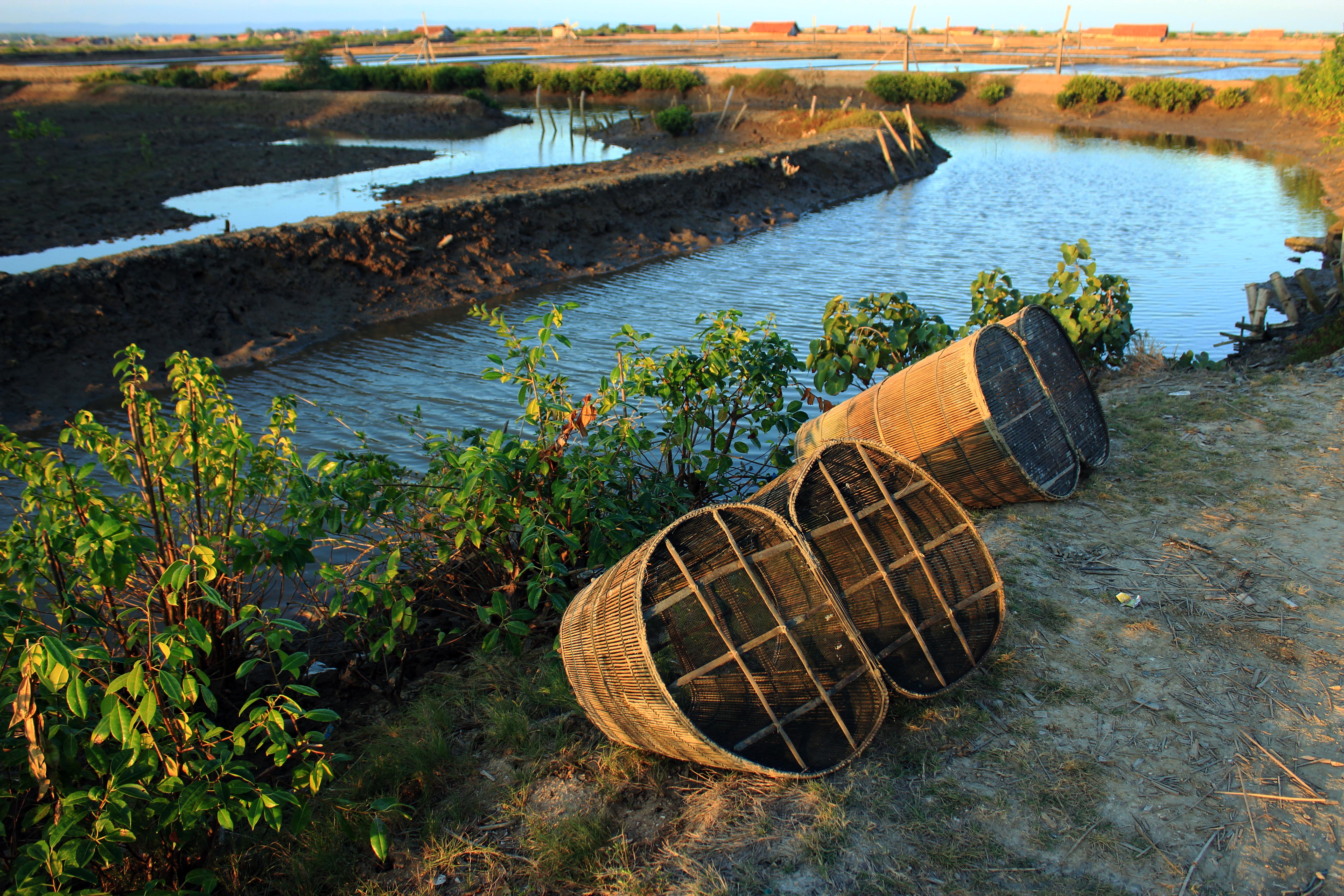
Illustration: shrimp farm — by Vebra, via Wikimedia Commons (CC BY 3.0).
A shrimp processor in the Mekong Delta ships to both Germany and the United Kingdom. Same recipe, same factory — yet the consignment bound for Hamburg and the one bound for London must each satisfy a different set of origin rules. Getting this distinction wrong is the fastest way to lose tariff preferences or have origin documents rejected at the port of arrival.
1. Brexit turned the UK into a third country under the EVFTA
The EVFTA has applied since 1 August 2020. Under Protocol 1 of the EVFTA, cumulation is strictly bilateral: only materials originating in Vietnam or the EU count as originating when goods are produced in either Party (Article 3). Since the UK left the EU, it is a third country for EVFTA purposes. The direct consequence is that UK-origin materials — for example UK-origin packaging or processing additives — can no longer be cumulated for goods exported to the EU under the EVFTA.
The UKVFTA is a separate bilateral agreement between Vietnam and the UK, in force since 1 May 2021. Its Protocol 1 on rules of origin is implemented in Vietnam by Circular 02/2021/TT-BCT of the Ministry of Industry and Trade.
2. The core difference: UKVFTA keeps extended cumulation with the EU
This is the point many exporters get backwards. Article 3 of Protocol 1 to the UKVFTA provides for extended cumulation: products are considered originating in the exporting Party when produced there using materials originating in the other Party or in the EU, provided the working or processing in the exporting Party goes beyond insufficient operations. In other words, EU-origin materials (including Andorra and San Marino) can still be cumulated for Vietnamese goods exported to the UK under UKVFTA preferences.
The reverse also holds: working or processing carried out in the EU is treated as carried out in the UK where the resulting products undergo further processing in the UK beyond insufficient operations.
Two limits apply. First, cumulation with the EU only works where the EU Member States involved and the country of destination have administrative cooperation arrangements ensuring correct implementation. Second, the Parties agreed to review the cumulation mechanism from the third year after entry into force. At the third meeting of the Vietnam–UK Committee on Customs on 27 March 2024, both sides discussed EU cumulation and agreed to continue the conversation — as of the date of writing, no published review outcome has changed this rule.
3. ASEAN cumulation: a UKVFTA-only advantage
The UKVFTA offers a mechanism the EVFTA does not extend to seafood: ASEAN cumulation. Under Article 3(6) of Protocol 1 to the UKVFTA (detailed in Circular 02/2021/TT-BCT), materials listed in Appendix III originating in an ASEAN country with which the UK applies a GATT Article XXIV trade agreement are treated as Vietnamese materials when further processed in Vietnam into products listed in Appendix IV. Proofs of origin in such cases must carry the entry: “Application of Article 3(6) of Protocol 1 to the Vietnam-UK FTA”.
4. What this means for shrimp and pangasius exporters
For seafood, the “wholly obtained” criterion covers caught fish and shrimp: they qualify as originating when vessel conditions are met — registration in Vietnam or the EU, flying the flag of a Party, and qualifying ownership (at least 50% owned by natural or juridical persons of a Party). Farmed shrimp and pangasius sold as processed products need a check against the product-specific rule for their HS code in Annex II of Protocol 1, because processed seafood made from imported inputs does not automatically acquire origin.
Three actions for businesses serving both markets. First, keep separate origin calculations per agreement: the same product faces different cumulation scopes under the EVFTA and the UKVFTA. Second, retain traceability records for at least three years as required by Protocol 1. Third, review input contracts with a UK element: UK materials cannot be cumulated for EU-bound goods under the EVFTA, while EU materials can still be cumulated for UK-bound goods under the UKVFTA.
Frequently asked questions
Can EU-origin materials be cumulated for goods exported to the UK?
Yes. Article 3 of Protocol 1 to the UKVFTA allows extended cumulation with EU-origin materials (including Andorra and San Marino) for goods traded between Vietnam and the UK. This is the key difference from the assumption that Brexit ended all cumulation with the EU.
Can UK-origin materials be cumulated for goods exported to the EU under the EVFTA?
No. The EVFTA permits only bilateral Vietnam–EU cumulation. After Brexit the UK is a third country under the EVFTA, so UK materials do not count.
Can a shrimp exporter use one origin file for both the EU and UK markets?
That is not advisable. The two agreements have different cumulation scopes (bilateral under the EVFTA; extended EU and conditional ASEAN cumulation under the UKVFTA), so origin should be calculated separately for each market with separate records.
What is the status of the UKVFTA cumulation review?
The Parties agreed to review the mechanism from the third year after entry into force. At the Committee on Customs meeting of 27 March 2024, both sides discussed EU cumulation and agreed to continue talks; no change has been published as of the date of writing.
This article has been quality-reviewed by the FLAW AI Legal Council
Related articles
- China+1 for auto parts: Vietnam, Thailand or India — Where to Put the Factory?
- China+1 for toys: Vietnam, India or Indonesia — Where to Put the Factory?
- China+1 for solar panels: Vietnam, Malaysia or India — Where to Put the Factory?
- China+1 for footwear: Vietnam, Indonesia or Philippines — Where to Put the Factory?
- China+1 for semiconductor assembly & test: Vietnam, Malaysia or Taiwan — Where to Put the Factory?