
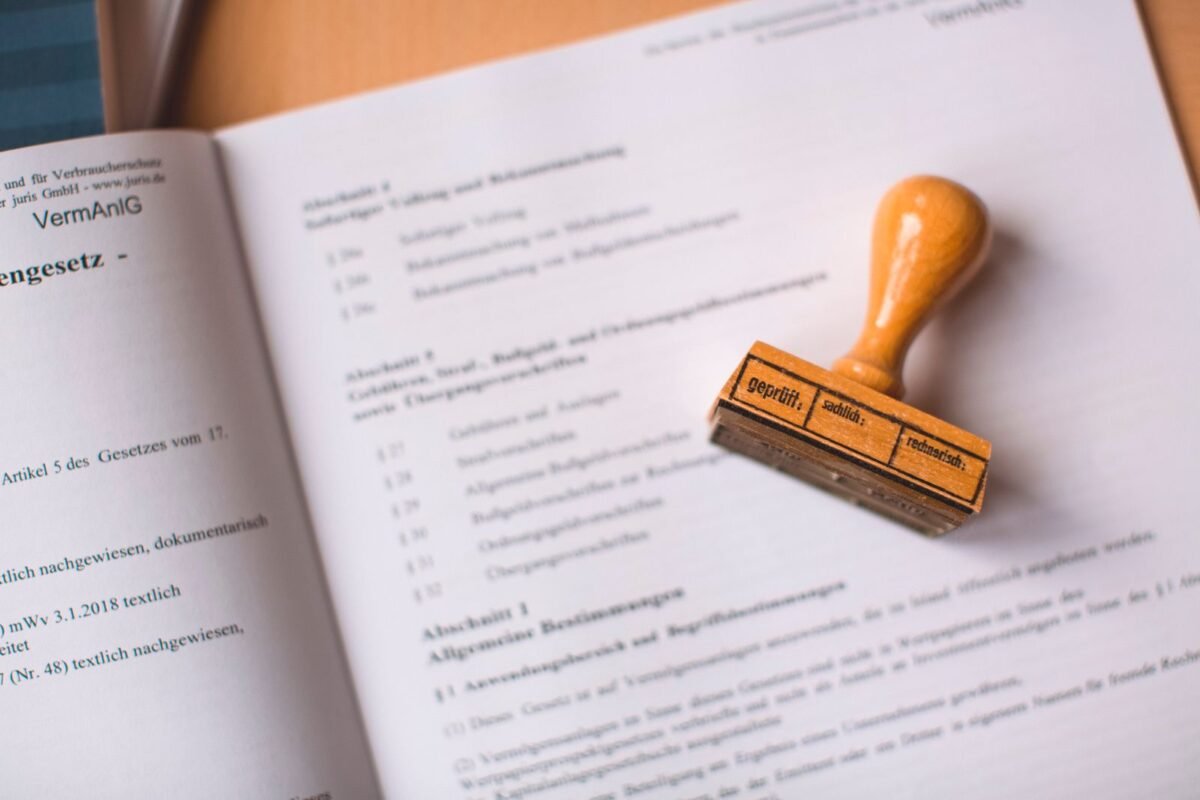
Receiving an administrative sanction decision for an intellectual property violation — three things to do immediately: (1) check the sanctioning legal basis in force and the 02-year sanctioning limitation; (2) lock in the 90-day complaint deadline; (3) remember the key principle: a complaint does not automatically suspend enforcement — you must still comply with the decision within 10 days even after filing, unless a suspension is granted.
1. The sanctioning instrument in force: Decree 99/2013 remains effective
Decree 99/2013/ND-CP (29/8/2013) on administrative sanctions in industrial property remains in force and has not been replaced, having been amended three times: Decree 126/2021/ND-CP; Decree 46/2024/ND-CP (issued 04/5/2024, effective 01/7/2024); and Decree 186/2026/ND-CP (issued 26/5/2026, effective 15/7/2026). The latest amendment expands sanctioning competence (adding Chairpersons of commune-level People’s Committees, Directors of Departments of Science and Technology, the Director General of the Intellectual Property Office of Vietnam and specialized inspection teams; removing the independent inspectorate model) and adds remedies compelling domain-name return and blocking access to infringing domain names.
When you receive a sanction decision, measure it against Decree 99/2013 as amended through 15/7/2026 — citing superseded text is a common mistake that weakens a complaint.
- Maximum fines: VND 250,000,000 for individuals; organizations twice that = VND 500,000,000 (Article 2, Decree 99/2013).
- Principal forms: warning or fine; additional forms: confiscation of exhibits and instrumentalities; suspension of practicing certificates/expert cards for 01–03 months; suspension of production/business operations for 01–03 months (Article 3).
- Fines by position (e.g. the IP Office Director General up to VND 250 million; heads of specialized inspection teams established by the Director General up to VND 200 million) are set in Decree 186/2026 — cite each position correctly; do not merge them into one figure.
2. First line of defense: the 02-year sanctioning limitation for IP violations
Article 6.1(a) of the Law on Handling of Administrative Violations (amended by Law 88/2025/QH15, effective 01/7/2025) provides: the sanctioning limitation is 01 year, 02 years for administrative violations involving intellectual property. Beyond 02 years from the violation, no sanction decision may be issued (only remedial measures, if still within their limitation). First check upon receiving a decision: is the sanctioned act still within the 02-year limitation?
3. The sanctioned party’s right and deadline to complain
- Right to complain: Article 15.1 of the Law on Handling of Administrative Violations — persons subject to administrative handling may complain and sue.
- Complaint deadline: 90 days from receipt of or learning about the administrative decision (Article 9, 2011 Law on Complaints); periods of objective obstacle are excluded.
- Two-level procedure: first complaint to the person who issued the sanction decision (Articles 7, 12 of the Law on Complaints); second complaint to the direct superior of the first-level resolver (Articles 33, 36).
- Resolution time limits: first level no more than 30 days from acceptance (complex cases 45 days; remote areas 45 days, complex 60 days — Article 28); second level no more than 45 days (complex or remote 60 days — Article 37). Acceptance within 10 days of receiving the complaint (Article 27).
- Effect: first/second-level complaint resolutions take effect 30 days after issuance if not further complained about or sued (Article 44).
Note on the specific first/second-level complaint competence (e.g. who resolves the second complaint against a decision of the IP Office Director General? of a commune People’s Committee Chairperson?): this depends on Articles 17–21 of the Law on Complaints and the organizational structure after the 2025–2026 restructuring. This article does not hard-list a single authority — complainants should verify competence at the time of filing under the cited articles and the current organizational structure.
4. The key point: a complaint does NOT suspend enforcement
Article 73.1 of the Law on Handling of Administrative Violations requires the sanctioned party to comply with the sanction decision within 10 days of receipt; filing a complaint or lawsuit does not suspend compliance, except for temporary suspension under Article 15.3: the complaint/lawsuit resolver issues a suspension decision if enforcement would cause hard-to-remedy consequences.
Never write or assume that “filing a complaint defers the fine”. The correct strategy: file the complaint within the 90-day deadline and simultaneously submit a request for temporary suspension of enforcement (especially where the decision orders measures like destruction of goods or domain-name revocation — measures that are hard to undo once executed). Whether suspension is granted depends on the resolver’s assessment of “hard-to-remedy consequences” in each case — present it as grounds for the request, not a guaranteed outcome.
5. Administrative lawsuits — no mandatory prior complaint
Article 116 of the 2015 Law on Administrative Procedures: the limitation period is 01 year from receipt of or learning about the administrative decision; if a complaint was filed, 01 year from receipt of the first/second-level complaint resolution, or 01 year from expiry of the complaint-resolution deadline without resolution. The sanctioned party is not required to complain first before suing — either route may be chosen strategically.
6. Complaint dossier checklist
- The complaint (identifying the challenged decision, grounds, and requests) — filed within 90 days;
- Copy of the administrative sanction decision;
- Documents and evidence supporting the grounds (e.g. evidence the 02-year limitation expired; wrongly cited legal basis; mitigating circumstances);
- Proof of complainant standing (business license, authorization letter if through a representative);
- Request for temporary suspension of enforcement (filed together, specifying the “hard-to-remedy consequences” of immediate enforcement).
FAQs
Does filing a complaint defer paying the fine?
No. A complaint does not automatically suspend enforcement — compliance within 10 days is still required unless a suspension decision is issued under Article 15.3 of the Law on Handling of Administrative Violations.
What is the complaint deadline against an IP sanction decision?
90 days from receipt of or learning about the decision (Article 9, 2011 Law on Complaints).
Can an act from 3 years ago still be sanctioned?
No — the sanctioning limitation for IP violations is 02 years (Law 88/2025/QH15).
Must I complain before suing in the administrative court?
No. You may sue directly within the 01-year limitation (Article 116, 2015 Law on Administrative Procedures).
Which sanctioning instrument currently applies?
Decree 99/2013/ND-CP as amended through 15/7/2026 (via Decrees 126/2021, 46/2024, 186/2026).
Legal sources cited
- Decree 99/2013/ND-CP (29/8/2013; amended by 126/2021, 46/2024, 186/2026 effective 15/7/2026): Articles 2, 3.
- Law on Handling of Administrative Violations: Article 6.1(a) (amended by Law 88/2025/QH15, effective 01/7/2025), Articles 15.1, 15.3, 73.1.
- 2011 Law on Complaints: Articles 7, 9, 12, 17–21, 27, 28, 33, 36, 37, 44.
- 2015 Law on Administrative Procedures: Article 116.
See also: Border Control Against Counterfeit Goods in Vietnam: Working with Customs — when a shipment is suspended by customs and the business faces IP sanction risks.
Received an IP administrative sanction decision and need to challenge it? Reach FLAT Law Firm via the Contact page.
The information above is for reference only and does not constitute legal advice.
Transparency note: This article was drafted by FLAT Law Firm\u2019s AI content production system and reviewed by the internal review board (AI Legal Council QA). It has not been reviewed by a human lawyer.