
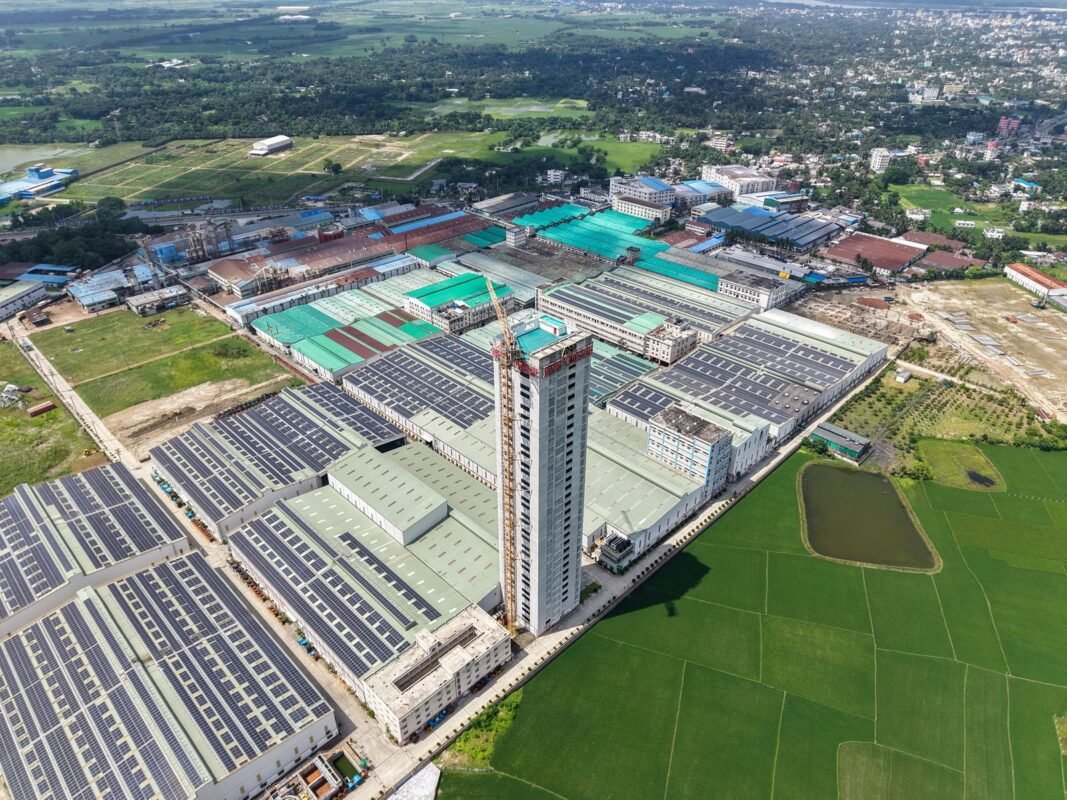
Site selection is a strategic decision for every FDI project: location determines land costs, eligibility for investment incentives, licensing timelines and future legal risks. Under the Investment Law 143/2025/QH15 (effective 1/3/2026, replacing Investment Law 61/2020) and the Land Law 31/2024/QH15, investors should note the following six points before committing to a site.
1. Check planning before committing to a location
Before signing any site commitment, investors must verify the land-use planning and sectoral planning of the intended area:
- Does the planned land use suit the project type (industrial, logistics, commercial)?
- Does sectoral planning permit or encourage this investment type in the area?
- Is the site subject to suspended or upcoming adjusted planning?
Committing to a site without checking planning is a common cause of forced project adjustments — or even relocation — after preparation costs have been spent.
2. Distinguish clearly: the industrial park management board is not the park developer
This is the costliest confusion for new investors:
- The industrial park management board is the authority that issues the Investment Registration Certificate (IRC) — under Clause 1, Article 27 of Investment Law 143/2025/QH15;
- The industrial park developer (the infrastructure business) is the party that subleases land inside the park — under Clause 3, Article 202 of the Land Law 31/2024/QH15.
The practical consequence: a memorandum of understanding (MOU) on location and land rent must be signed with the park developer, not the management board. An MOU signed with the wrong party gives no enforceable assurance over the site.
3. Investment incentives: verify the area and eligibility conditions carefully
Investment incentives are governed by the Investment Law 143/2025/QH15 with detailed guidance in Decree 96/2026/ND-CP (effective 31/3/2026, replacing Decrees 31/2021, 19/2025 and 239/2025). Note that Decree 96/2026 applies only to the investment domain — it must not be cited for unrelated matters such as residence.
- Check whether the project site falls within an incentive-eligible area;
- Confirm the project sector qualifies for incentives;
- Clarify the conditions, procedures and timing for enjoying incentives — they do not apply automatically without meeting conditions and completing procedures.
4. Land: lease form, term and extension conditions
Foreign investors in Vietnam lease land (they are not allocated land with land-use fees like some domestic subjects), either by one-off payment or annual payment. When choosing a site, verify:
- The land lease term and whether it fits the project lifecycle;
- Extension conditions at expiry — procedures, application timing, approval grounds;
- Rent levels, payment methods and the possibility of rent adjustments during the lease.
5. Special note: households are no longer subjects eligible for new land allocation
Article 4 of the Land Law 31/2024/QH15 provides that households are no longer recognized as subjects eligible for new land allocation by the State. Households are only recognized for allocations made before 1/1/2025 (under Article 259 of the 2024 Land Law).
The practical point: where an FDI project requires land recovery, compensation and site clearance on land allocated to households before 1/1/2025, investors must deal with the lawful land-use right holders and verify the legality of land documents — to avoid prolonged disputes that inflate project timelines.
6. Law 24/2026/QH16: upcoming, not yet applicable
Law 24/2026/QH16, amending the 2025 Investment Law, will cut 62 conditional business sectors, leaving 137 — but it takes effect only from 1/3/2027 and is not yet applicable.
Investors must keep this straight: site and sector decisions made now still follow the sector list under the current Investment Law 143/2025/QH15. Anticipating Law 24/2026 by treating a sector as already de-conditioned is wrong on timing and may get an IRC application returned.
Frequently asked questions
With whom should a land-lease MOU in an industrial park be signed?
With the park developer (the infrastructure business) — the party subleasing land under Clause 3, Article 202 of the 2024 Land Law. The park management board issues the IRC (Clause 1, Article 27 of the 2025 Investment Law); it is not the lessor.
When did Decree 96/2026/ND-CP take effect?
31/3/2026, replacing Decrees 31/2021, 19/2025 and 239/2025; applicable to the investment domain only.
Can households still be allocated land?
No, for new allocations. Article 4 of the 2024 Land Law no longer recognizes households as subjects for new allocation; only pre-1/1/2025 allocations are recognized (Article 259).
Is Law 24/2026/QH16 in force yet?
No. It takes effect on 1/3/2027; Investment Law 143/2025/QH15 currently applies.
Sources
- Investment Law 143/2025/QH15 — effective 1/3/2026, replacing Investment Law 61/2020/QH14: Clause 1, Article 27 (IRC issuance authority of park management boards);
- Decree 96/2026/ND-CP — effective 31/3/2026, replacing Decrees 31/2021, 19/2025, 239/2025 (detailed investment guidance);
- Land Law 31/2024/QH15 — in force: Article 4 (land users; households no longer eligible for new allocation); Articles 33, 34; Clause 3, Article 202 (land sublease in industrial parks); Article 259 (recognition of pre-1/1/2025 household allocations);
- Law 24/2026/QH16 — amending the 2025 Investment Law, effective 1/3/2027 (not yet applicable).
For reference only; not legal advice. This article was drafted by AI and quality-checked by the AI Legal Council of FLAT Law Firm; it has not been reviewed or approved by a human lawyer. Regulations may change; please check the current legal texts before applying.
Related articles
- Adjusting an Investment Registration Certificate (IRC)
- Changing Objectives of a Foreign Investment Project in Vietnam
Choosing a site for an FDI project in Vietnam? Contact FLAT Law Firm for advice.


