
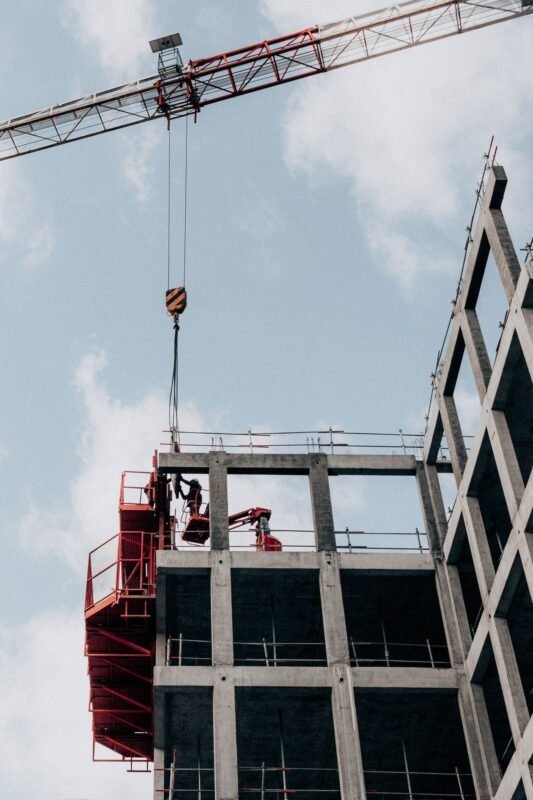
Works half-done, the contractor pulls out machinery and workers citing "no funds" — or simply disappears. The investor faces a chaotic site with two urgent tasks: terminate the contract lawfully and hire a replacement — one wrong step turns victim into violator.
1. Lawful termination: don’t act on emotion
Abandonment is a serious breach, giving the investor the right to unilaterally terminate performance under Article 428 of the Civil Code 2015. Standard procedure: send a written notice specifying the breach and demanding cure within a reasonable time; on expiry without cure → send a termination notice; draw up a site record of executed quantities and materials/equipment left on site (witnessed by the supervision consultant, or a bailiff if needed). Never let a new contractor start before terminating the old contract — that may itself count as the investor’s breach.
2. Hiring the replacement: points to lock down
Select a replacement of equal or better capacity; the new contract must address: acceptance of the half-done works (who warrants the old portion? — principle: the new contractor answers only from takeover; the old portion needs separate assessment and acceptance); unit prices for remaining works; the new schedule. Meanwhile, preserve the old contractor’s materials and equipment left on site — do not use or dispose of them without agreement or an authoritative decision.
3. Claiming damages and penalties
The investor may claim: contractual penalties at the agreed rate; damages including the cost uplift of the replacement contractor, delay costs, deterioration of the exposed half-built works, and extra management costs. With a performance bond in place, call on the guaranteeing bank at once — this is what bonds are for. Keep full documentary proof of actual costs: courts and tribunals accept only proven, documented loss.
4. Lessons: don’t make walking away easy
From signing: require a performance bond of meaningful value; pay against actually accepted progress, never over-advance; withhold retention money properly; watch the contractor’s financial health (late worker wages, material debts). Contractors showing financial distress usually "run" before formal insolvency — spot it early and keep a contingency plan.
This article has been quality-reviewed by the FLAW AI Legal Council
Frequently Asked Questions
The contractor just left without a word — is that termination?
Not automatically. The investor must notify, demand cure, then unilaterally terminate under Art. 428 of the Civil Code 2015; the contractor’s silence replaces none of these steps.
How to handle the old contractor’s materials on site?
Preserve as-is with an inventory record; do not use or sell them without agreement or an authoritative decision — otherwise you may face a damages claim.
Must the new contractor warrant the old contractor’s work?
No, unless agreed. The old portion needs assessment, acceptance and handover; the new contractor answers only from takeover.
What costs are recoverable from the abandoning contractor?
Contractual penalties; the replacement contractor’s cost uplift; delay damages; preservation costs for the half-built works; and the performance bond (if any).