
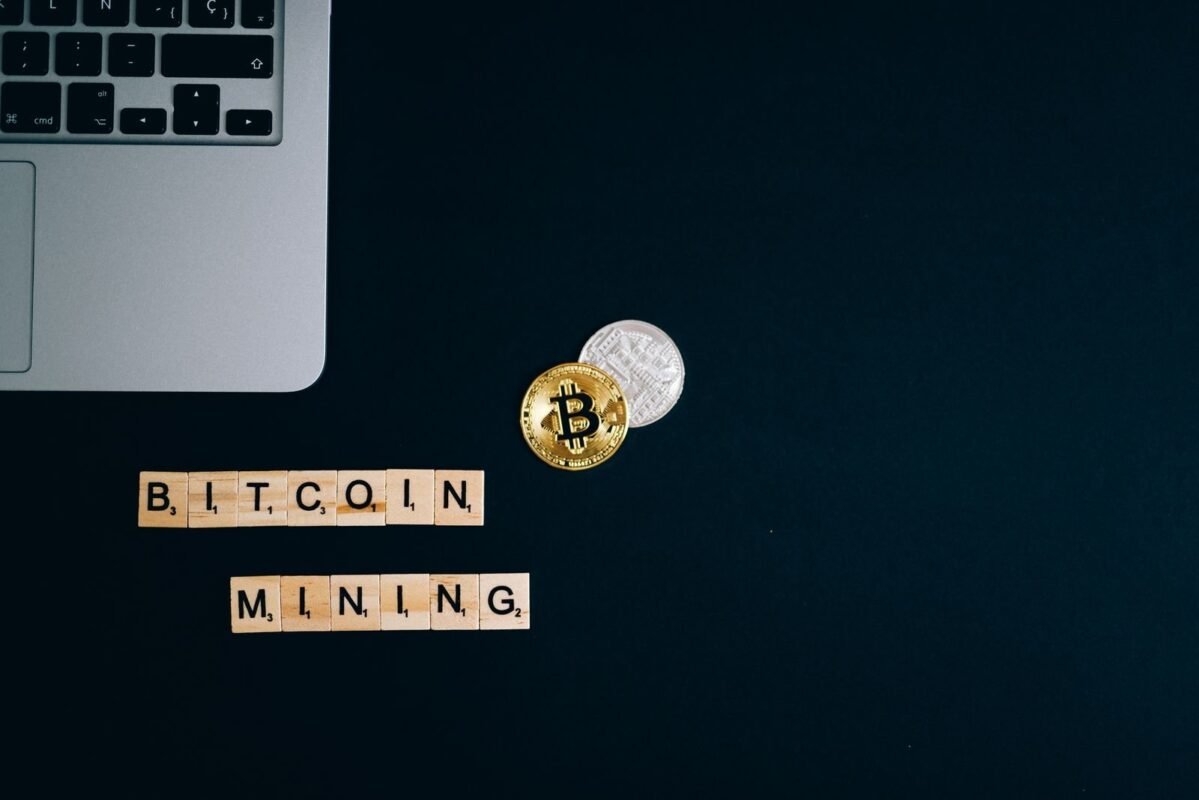
Vietnamese law contains no provision licensing crypto mining, but also no provision banning mining as a production activity. The grey zone sits exactly there: producing coins with computing power is not nominally prohibited, while using crypto as a means of payment in Vietnam is banned and sanctioned under State Bank rules and the monetary and banking penalty decree. A mining farm can therefore exist operationally, but any step touching payments, raising capital through hosted-mining schemes, or selling coins to domestic investors on an ungrounded offering basis can slide into prohibited conduct.
Mining is not nominally banned, but crypto is not a payment instrument
The picture changes from 2026 as Digital Technology Industry Law No. 71/2025/QH15 recognises digital assets and tokenised assets as a class of property, and Resolution 05/2025/NQ-CP runs a five-year pilot of the tokenised-asset market from 9 September 2025 with licensed exchanges and trading in Vietnamese dong. Both instruments regulate issuance, trading and asset-service provision, however; neither creates a mining licence, and mining remains outside the pilot frame, left to comply with general law on power, tax, equipment and fire safety like any other large electricity consumer.
How Resolution 05/2025 and Law 71/2025 change the picture from 2026
A farm’s first practical risk is power: using household electricity, or production electricity registered for another purpose, to run a large mining rig is off-purpose electricity use under the power purchase contract, exposing the operator to back-billing at the correct-purpose tariff, penalties and disconnection. The second risk is tax: income from mining and selling tokenised assets falls to be declared as the asset tax frame applies securities-like treatment per Resolution 05/2025/NQ-CP’s direction, and a commercial-scale miner must register its business, issue invoices and pay tax like an ordinary production business. The third risk is equipment: used specialised mining machines imported from abroad hit the restricted lists for used electronics like other used IT equipment.
A mining farm’s three practical risks: power, tax and equipment
The practical conclusion for investors: mining in Vietnam is neither an encouraged nor a licensed investment activity, and the safety margin exists only where the facility operates like an ordinary computing business — clear business registration, a correct-purpose large-load power contract, lawfully imported equipment, transparent tax accounting, and absolutely no use of coins as payment or public fund-raising. Any model promising mining returns to domestic retail investors should be treated as high legal risk until dedicated guidance exists.
Frequently Asked Questions
Is mining coins in Vietnam against the law?
Mining itself is not nominally banned, but crypto is not recognised as a means of payment and using it to pay is prohibited; from 2026 tokenised assets are recognised as property under Law 71/2025/QH15, yet no mining licence exists.
Can a power-hungry mining farm be disconnected?
Yes, if electricity is used off-purpose against the purchase contract, for example household power for a commercial rig; the utility may back-bill at the correct-purpose tariff, penalise and suspend supply under electricity rules.
Is mining income taxable?
Yes. Commercial-scale mining is a business activity requiring registration and tax declaration; income from tokenised-asset trading is being framed by Resolution 05/2025/NQ-CP policy toward securities-like treatment.
Related articles
- Digital Banks and Open Banking: New Legal Framework and Licensing
- Online Consumer Protection: Latest Rules
- Draft Standalone E-Commerce Law: Is It Needed and What's Expected?
- Fire Safety and Energy Efficiency Standards for Data Centers: Emerging Rules
- Digital Assets and Crypto: New Legal Framework After the Digital Technology Industry Law
This legal analysis has been verified against current Vietnamese regulations and cross-border FDI transaction practices by the attorneys at FLAT LAW FIRM.

