
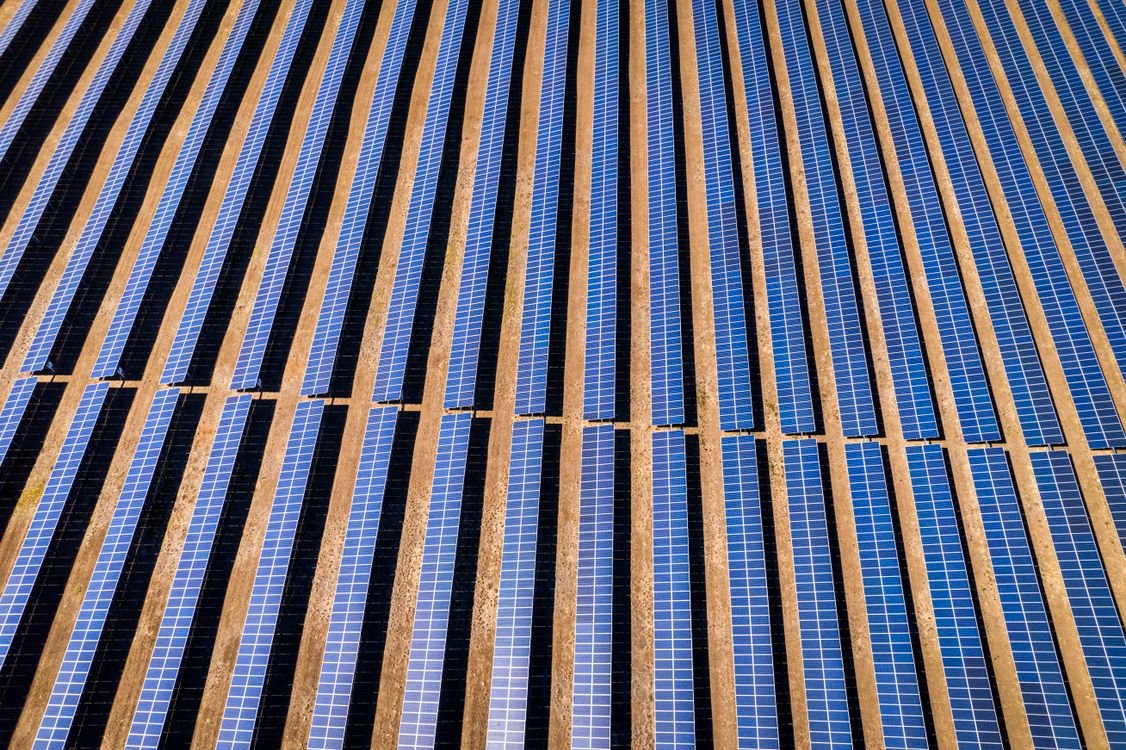
Scenario: an FDI factory must prove renewable electricity use to its global supply chain (RE100) but does not want to wait for gradual grid greening. DPPA — direct power purchase under Decree 57/2025/ND-CP (issued 3 March 2025) is the way: contracting straight with a renewable generator, bypassing traditional retail.
Two DPPA models: private wire and via the national grid
Decree 57/2025 provides two models: (1) via private connection grid — a renewable generator sells directly to a large customer over a dedicated line (not via the national grid); and (2) via the national grid — power flows into the national grid while the parties sign a forward contract (contract-for-differences style), settling the difference. Model (1) is commercially simple but infrastructure-heavy; model (2) needs no dedicated infrastructure but is more complex on pricing and wholesale-market settlement.
Eligibility: the 10 MW and 22 kV thresholds
For the national-grid model, the seller must be a wind, solar or biomass generator of 10 MW or more, connected to the national power system and directly participating in the competitive wholesale market. The buyer must be a large electricity customer for manufacturing (or EV-charging services) — buying from a Power Corporation/Company and connected at 22 kV or above. Important: Decree 57/2025 has been amended by Decree 243/2026/ND-CP (effective 26 June 2026) to expand eligibility — businesses must read the consolidated/amending text, not just the original 57/2025.
How are DPPA prices formed?
Forward-contract prices are negotiated by the parties, but under the national-grid model settlement tracks the wholesale market price per 30-minute trading interval — meaning DPPA buyers accept market price volatility on the difference leg, unlike traditional fixed-price PPAs with EVN. This must be financially modelled before signing: DPPA is not “cheaper power” but “green power + long-term contracted stability”.
Recommended actions
1. Check you meet the large-customer and 22 kV thresholds. 2. Compare the two models on infrastructure cost versus price risk. 3. Read Decree 57/2025 together with amending Decree 243/2026 — not the original alone. 4. Model wholesale-market price volatility before locking the forward price.
Frequently Asked Questions
What are the DPPA eligibility conditions (capacity, consumption)?
For the national-grid model (Decree 57/2025/ND-CP): sellers are wind/solar/biomass generators of 10 MW or more directly participating in the competitive wholesale market; buyers are large electricity customers (manufacturing or EV-charging services) connected at 22 kV or above. Decree 243/2026/ND-CP (effective 26/6/2026) expanded eligibility further.
How do the two DPPA models (national grid, private wire) differ?
Private wire: the renewable generator sells directly to the large customer over a dedicated grid — commercially simple but infrastructure-heavy. National grid: power flows into the grid while parties sign a forward (differences) contract settled at wholesale market prices — no dedicated infrastructure but more complex pricing.
How are DPPA electricity prices formed?
Forward prices are negotiated; under the national-grid model, settlement tracks the wholesale market price per 30-minute interval — buyers accept market volatility on the difference leg, unlike fixed-price PPAs with EVN.
What did Decree 243/2026 change versus Decree 57/2025?
It amends Decree 57/2025 to expand the eligible customers for direct power trading (effective 26/6/2026). Businesses must read the amending text, not just the original 57/2025.
What should an FDI enterprise prepare to sign DPPA?
Four things: (1) confirm large-customer status + voltage level; (2) choose the model (private wire or national grid); (3) financially model wholesale price volatility; (4) prepare legal dossiers per Decree 57/2025 and its amendments.
Does DPPA help meet RE100 targets?
Yes — DPPA is the key tool for businesses to evidence renewable electricity use (buying directly from renewable sources), meeting RE100 and global supply-chain ESG demands instead of waiting for the shared grid to green.

