
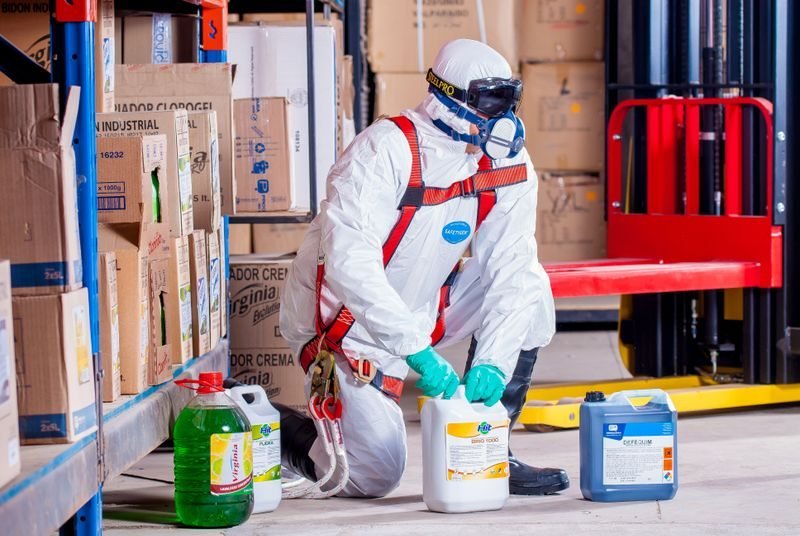
Waste oil, solvents, chemical-contaminated packaging, industrial sludge: almost every FDI plant generates hazardous waste at some scale. The Environmental Protection Law places the full duty on the waste generator, which means a factory cannot simply hand waste to a collector and wash its hands of it. Understanding your own obligations is the first step to staying compliant.
Who the waste generator is, and what the law demands
Under Article 72 of the 2020 Law on Environmental Protection, generators of hazardous waste and ordinary industrial solid waste must reuse, recycle, treat or recover energy from the waste, or transfer it to a facility that holds the proper functions and a matching environmental license. In other words, the law gives a plant two lawful paths: treat the waste itself if licensed and capable, or hand it to a qualified handler.
The point many new plants miss: liability does not end at the factory gate. If the receiving handler lacks the right license or treats the waste improperly, the generator remains jointly exposed.
Four concrete duties of a hazardous-waste generator
First, declare the volume and categories of hazardous waste in the environmental license application or the environmental registration dossier. Second, sort, classify, collect and store each stream separately, never mixing it with non-hazardous waste. Third, make sure storage meets the rules: separated by classified type, no dust dispersion, no liquid leakage into the environment, and storage only within the permitted time window. Fourth, reuse, recycle or treat the waste in-house as regulated, or transfer it to a facility holding a matching environmental license.
Choosing a handler: check the license, ignore the pitch
The only legally meaningful criterion is whether the handler’s environmental license covers hazardous-waste treatment and lists waste categories matching what your plant generates. Ask for a copy of the valid license and cross-check the permitted waste list.
Avoid signing with collectors who merely broker the waste through several hands without naming the final treatment facility. Every intermediary layer raises the generator’s legal risk.
Contracts and paperwork you must keep
A hazardous-waste treatment contract should name the waste types and volumes, the treatment method, each party’s responsibilities and a supervision mechanism. Every handover needs a signed minutes record on both sides, backed by the plant’s waste tracking log. This file is the first thing inspectors ask for during an audit.
Costs: demand an itemized framework, not a verbal figure
There is no universal price list for hazardous-waste treatment; it depends on waste type, volume, transport distance and treatment technology. When collecting quotes, require an itemization: unit treatment price per waste type, transport charged separately, any storage fees, and a price-adjustment clause. Compare at least two or three licensed handlers before signing long term, and write unannounced site-visit rights into the contract.
A compliance roadmap for a new plant
A new plant should sequence hazardous-waste compliance deliberately: list every expected waste stream while preparing the environmental dossier; start segregating and storing by the rules during trial operation; and sign with a suitably licensed handler plus open the tracking log before full commercial operation.
Do not wait until the storage room is full to go looking for a handler, because deadline pressure then pushes you toward unqualified partners. Put waste-treatment costs into the operating budget from year one instead of treating them as incidentals.
Frequently asked questions
1. Can our plant treat its own hazardous waste?
Yes, if the plant has the technology and environmental protection works meeting the requirements and this is consistent with its granted environmental license. In practice most FDI plants transfer waste to a licensed facility because building a dedicated treatment system is costly and procedurally complex.
2. Once we hand waste to a collector, are we off the hook?
No. The law requires transfer to a facility with the proper functions and a matching environmental license. If the receiver is unqualified or treats the waste improperly, the generator stays jointly liable. Vetting the partner’s license is therefore mandatory, never optional.
3. How long should hazardous-waste records be kept?
Tracking logs, handover minutes and treatment contracts are the evidence that the plant discharged its generator duties. Keep them systematically filed and ready for inspection. Ask about the specific retention period during your plant’s environmental licensing process.
4. How does a factory identify and classify its hazardous waste streams?
By matching each generated waste stream against the hazardous-waste catalogue in the specialized waste-management rules, adding sample analysis where properties are unclear, then declaring volumes and types in the environmental-license application file. Under Article 72 of the Law on Environmental Protection 2020, the waste owner must identify, classify, collect and store hazardous waste separately, never mixed with ordinary waste. Misclassification at source corrupts the entire chain of manifests and treatment contracts downstream.
5. What conditions must on-site hazardous-waste storage meet?
The storage area must be segregated, equipped against leakage and ground seepage, labelled and signed by waste type, and used only within the time limits the legal framework and the environmental license allow before transfer to a suitably licensed handler. Liquid waste and chemically reactive waste must be stored in separate containment areas to prevent an in-store chemical incident. Periodic stock-taking reconciled with transfer manifests is how over-storage or loss is detected early.