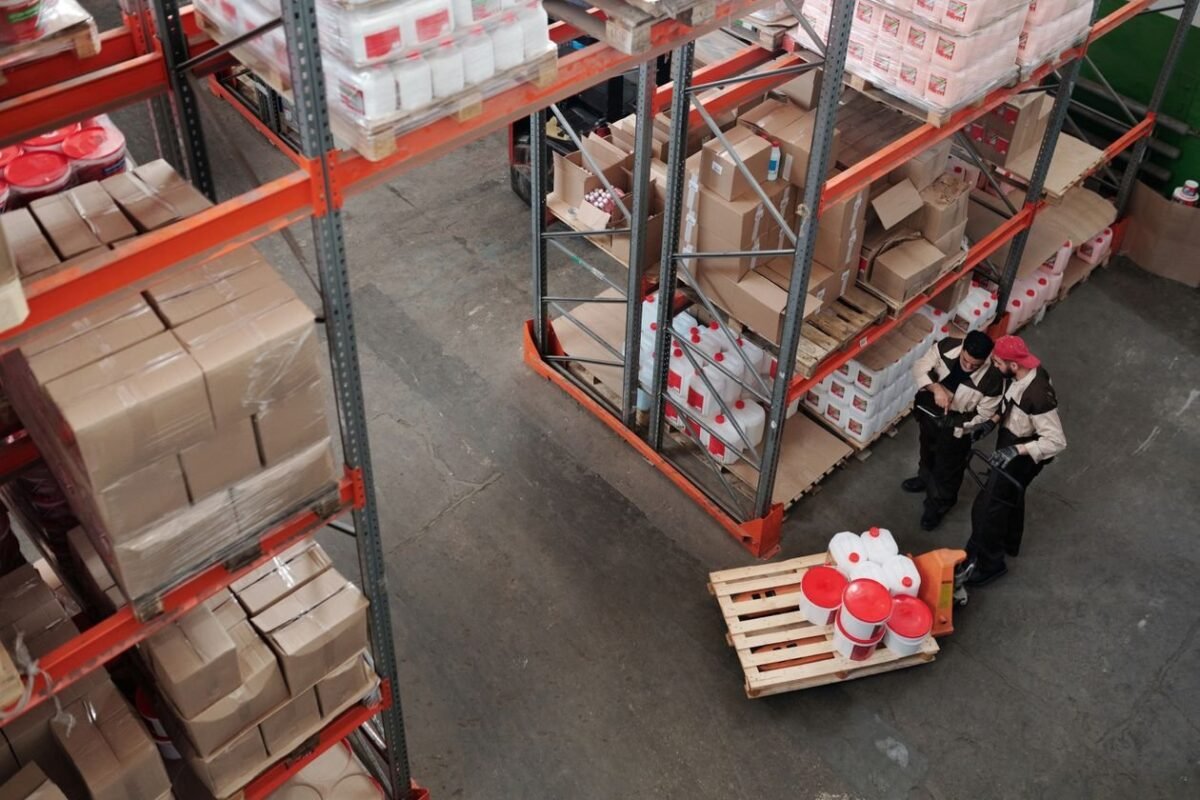
Airlines do not fly alone: catering kitchens, cargo warehouses, fuel suppliers, and ground handlers keep them airborne. Vietnam opens these aviation support services to foreign investors — but conditionally, with capital requirements and ownership caps that differ from ordinary services.
Which services are open — and on what terms
Aviation support services at airports — catering, cargo handling and warehousing, fuel supply, ground handling — are conditional business lines for foreign investors. Under the current framework, airport service providers face a minimum capital requirement (VND 30 billion) and a foreign ownership cap of 30%. These thresholds reflect the strategic character of airport operations: the State keeps a controlling hand on the ground beneath the aircraft.
Setting up: the licensing path
A foreign-invested catering or warehouse company at an airport needs investment approval under the Investment Law, the relevant business licenses for its service line, food safety or dangerous-goods credentials where applicable, and a contract or concession with the airport operator for premises. Each layer has its own authority and timeline — the investment certificate, the sectoral license, and the airport commercial agreement must be sequenced, not pursued in parallel blindly.
Structuring around the cap
The 30% foreign ownership cap shapes deal structures: joint ventures with Vietnamese partners holding the majority, shareholder agreements allocating operational control within the legal limits, and careful compliance with the charter capital requirements. Investors should also watch for sector-specific sub-caps and for the distinction between services at airports and the same services outside them — the caps attach to the airport, not the activity in the abstract.
Frequently Asked Questions
Which airport services can foreign investors operate?
Aviation support services at airports — catering, cargo handling and warehousing, fuel supply, ground handling — are open to foreign investors conditionally: minimum capital VND 30 billion for airport service providers and a 30% foreign ownership cap.
What is needed to open a foreign-invested airline catering company?
Investment approval under the Investment Law, sectoral business licenses (food safety, dangerous-goods credentials where applicable), and a contract or concession with the airport operator for premises. Sequence the three layers rather than pursuing them blindly in parallel.
What is the foreign ownership ratio in aviation services?
For airport service providers, 30% under the current framework — with a minimum capital of VND 30 billion. The caps attach to services at airports; structure through joint ventures with Vietnamese majority partners.
This article has been quality-reviewed by the FLAW AI Legal Council