
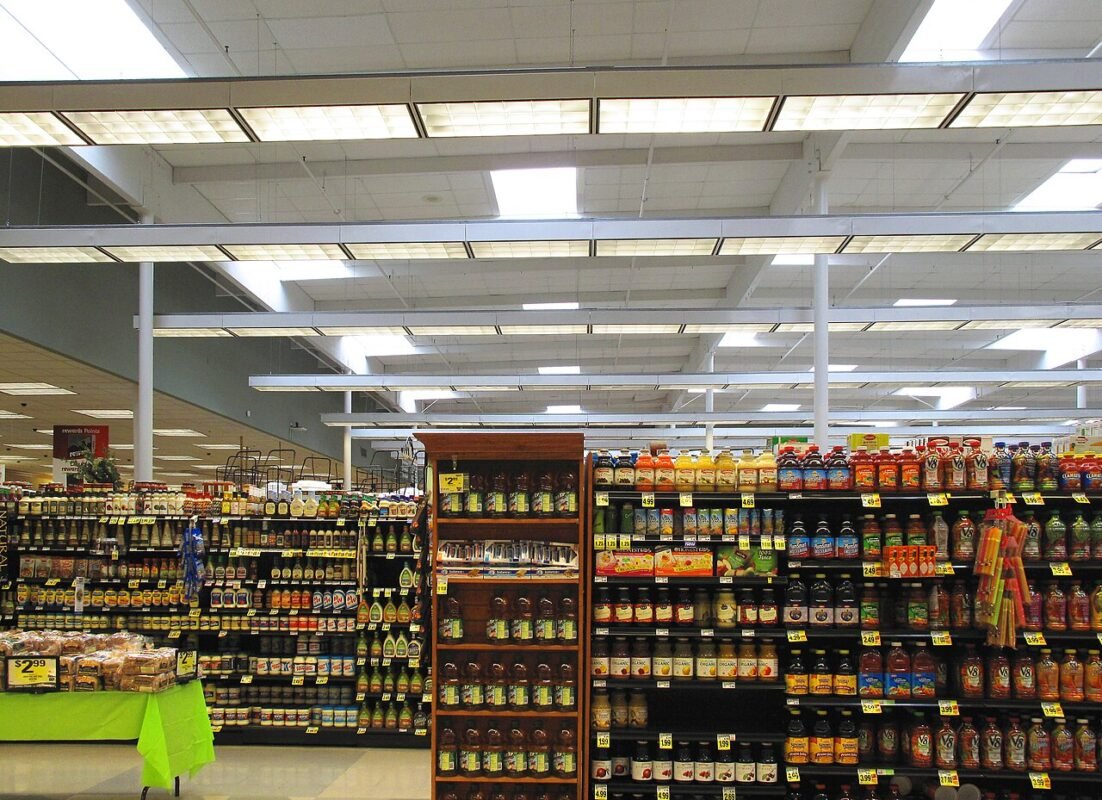
A foreign-invested company builds a food processing plant in Vietnam, gets its products onto supermarket shelves nationwide, then opens a restaurant chain under the same brand. Three years later, a competitor opens a same-named eatery next door — and the company discovers its trademark certificate only covers Class 30. This scenario repeats for many investors: the product brand is registered, but the rest of the value chain is left unprotected.
Legal basis
Vietnam’s Law on Intellectual Property 50/2005/QH11, as amended by Laws 36/2009/QH12, 42/2019/QH14 and 07/2022/QH15 (effective 01/01/2023), further amended by Law 93/2025/QH15 and Law 131/2025/QH15 (effective 01/04/2026); consult consolidated document 67/VBHN-VPQH 2026. Decree 65/2023/ND-CP (23/8/2023) details industrial property rules. Vietnam applies the Nice Agreement with 45 classes (Classes 1–34 for goods, 35–45 for services), current version. All cited instruments remain in force as of the writing date.
Under Article 119 of the IP Law, a trademark application goes through formality examination (1 month), publication (1 month) and substantive examination (5 months), with a 3-month fast-track examination option under Clause 2a of Article 119. Certificates last 10 years from filing and are renewable indefinitely in 10-year terms. Conversely, a mark unused for five consecutive years may be cancelled under Articles 95 and 136.
Nice-class map for a complete F&B chain
The first principle: a trademark is protected only within its registered classes. For food and beverage businesses, the relevant classes are typically:
- Class 29: meat, fish, dairy, edible oils, canned goods, processed animal and plant foods;
- Class 30: coffee, tea, confectionery, spices, instant noodles, rice and cereal products;
- Class 31: fresh agricultural produce, unprocessed fruit and vegetables;
- Class 32: beers, non-alcoholic beverages, fruit juices, mineral water;
- Class 33: alcoholic beverages (except beers) such as wine and spirits;
- Class 35: distribution, retail, supermarket and branded e-commerce services;
- Class 43: restaurant, eatery and food-and-drink catering services.
The commonly missed part is the last two service classes. Registering Class 30 for roasted coffee does not automatically protect the name of a coffee shop — that is a Class 43 service, an independent subject matter. Likewise, selling through a branded e-commerce storefront touches Class 35.
One multi-class filing or several separate filings?
The law allows a single application designating multiple classes. The advantages are clear: one application number to track, one examination track, and total fees usually lower than filing separately.
But bundling has a cost. If the examiner refuses one class — say Class 33 over a confusingly similar prior mark — the entire application stalls while the refused part is addressed, including the perfectly clean classes. The legal remedy is division: the unobjectionable part proceeds to grant while the disputed part is handled separately.
The practical strategy law firms recommend to FDI clients: bundle the safe classes into one filing to save cost and time, and file high-conflict-risk classes separately from the start (often Class 33 or Class 43 in major cities, where filing density is highest).
Action checklist
- List all current SKUs and the 3-year pipeline, mapping each product to the correct Nice class (29/30/31/32/33).
- Decide upfront whether branded distribution/retail (Class 35) and food services (Class 43) are in scope.
- Run conflict searches for similar marks in each selected class before filing.
- Choose single vs split filing based on each class’s risk level.
- Calendar actual use and 10-year renewals; keep invoices, contracts and advertising materials as evidence of use.
Frequently asked questions
1. Do alcoholic drinks go in Class 32 or Class 33?
Beers and non-alcoholic beverages are Class 32; wines, spirits and other alcoholic drinks (except beers) are Class 33. A company making both beer and spirits needs both classes.
2. We only manufacture, no retail — do we need Class 35?
Not mandatory while you only manufacture. But if you later open direct distribution, stores or branded e-commerce stalls, you must file additionally for Class 35 — the old registration does not automatically extend to new classes.
3. Does opening a restaurant under our food brand need a separate registration?
Yes. Food services are Class 43, independent of goods Classes 29/30. Without Class 43, the restaurant name is unprotected even though the product brand holds a certificate.
4. Is a trademark registered in China automatically protected in Vietnam?
No. Trademark rights are territorial. For protection in Vietnam, the owner must file directly with the Intellectual Property Office of Vietnam or designate Vietnam in an international application under the Madrid Protocol (Vietnam is a member).
5. How long from filing to grant?
The statutory frame under Article 119 is about 7 months (1 month formality, 1 month publication, 5 months substantive examination), or 3 months under the fast-track route in Clause 2a of Article 119 if the application meets no refusal or opposition. In practice it may take longer depending on the Office’s backlog.
IP advice for FDI enterprises
Brand protection in food and beverage means covering the whole value chain — from factory to supermarket shelf to the customer’s table. FLAT LAW FIRM advises foreign investors on conflict searches, Nice-class portfolio design, filing and handling refusals or oppositions, and periodic portfolio management. Contact us for advice tailored to your case.
This article provides general legal information and does not substitute advice for specific cases.
This article has been quality-reviewed by the FLAW AI Legal Council


