
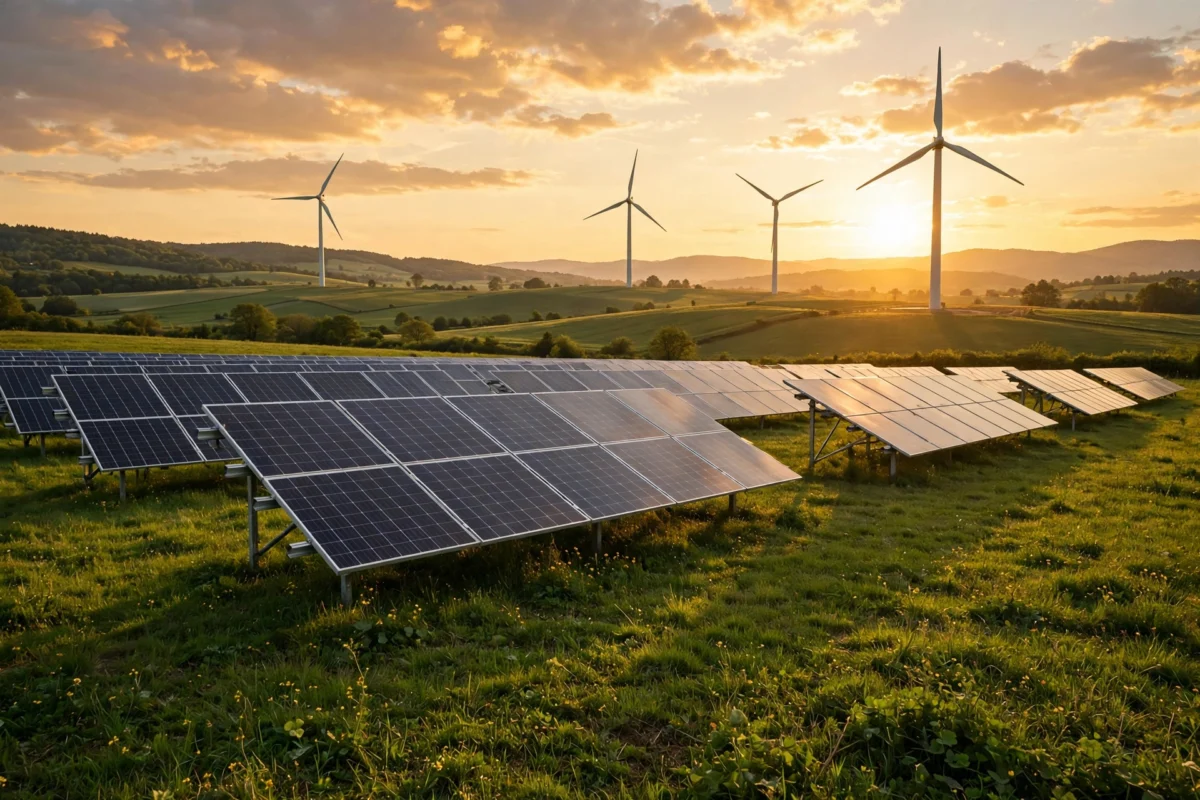
Renewable energy (solar, wind) was once an M&A “gold rush” in Vietnam (2019–2021). But with the FIT price mechanism expired and the legal framework fundamentally changed, acquiring a renewable energy company in 2026 is a different equation: how much is the power purchase agreement (PPA) still worth, and do the investment incentives survive?
This article highlights what to scrutinize in renewable-energy M&A, updated under the Electricity Law 61/2024/QH15 (effective 1 February 2025) and Decree 57/2025/ND-CP on direct power purchase.
1. The new power-sector framework: what changed
- Electricity Law 61/2024/QH15 (passed 30 November 2024, effective 1 February 2025) replaces the 2004 Electricity Law and amendments — 9 chapters, 81 articles covering planning, electricity operation licences and the competitive power market.
- Decree 57/2025/ND-CP (3 March 2025, immediately effective) governs direct power purchase agreements (DPPA) and repealed Decree 80/2024/ND-CP. Note: older materials still citing Decree 80/2024 are outdated.
- Two DPPA models: (i) private transmission lines (negotiated prices); (ii) national grid (grid-connected solar/wind of 10MW+ participating in the competitive wholesale market).
2. Scrutinizing the PPA: the deal’s most valuable asset
The PPA determines project cash flows for 20–25 years. Diligence must answer six questions:
2.1. Who is the offtaker, under which template?
A PPA with EVN (Ministry of Industry and Trade template) or a DPPA directly with large consumers (Decree 57/2025)? Each carries different pricing, payment and risk mechanics.
2.2. How is the electricity price set?
Does the project enjoy the old FIT price (registration windows closed since 2020–2021) or the generation price framework issued by the Ministry of Industry and Trade / wholesale market prices? Check price-adjustment, payment and late-payment penalty clauses. Never assume FIT benefits automatically survive a transfer — verify each project’s specific conditions.
2.3. Term and termination
How many years remain? Extension conditions? In which cases may the offtaker terminate early, and what compensation applies?
2.4. Validity of PPAs signed before 1 February 2025
Under Article 81(2) of the 2024 Electricity Law: power purchase contracts signed before the Law’s effective date continue under the signed contracts. Where new rules on competitive market levels apply differently, parties must amend the contract accordingly. This is a crucial legal anchor for operating projects.
2.5. Payment risk
The offtaker’s payment history: any late payments? Are payment security mechanisms (guarantees, escrows) still in force?
2.6. Committed output
Does the PPA commit minimum offtake volumes? How do force majeure clauses (natural disasters, grid incidents) allocate risk?
3. Scrutinizing incentives: do they survive?
| Incentive group | What to check |
|---|---|
| CIT | Incentive decision, preferential rate, remaining exemption/reduction period; are qualifying conditions still met after transfer? |
| Import duty | Exemption for equipment forming fixed assets — check the exempted list and obligations if assets are transferred |
| Land rental | Exemption/reduction: duration, conditions; clawback risk upon breach |
| Others | Investment support, credit incentives (if any) |
The rule: incentives attach to the project and specific conditions — they do not automatically “travel” with ownership change. Review the investment policy approval / investment registration certificate and confirm continued eligibility with the competent authority.
4. Other non-negotiable diligence points
- Electricity operation licence (Articles 30–37, 2024 Electricity Law): valid, correct capacity and scope;
- Project land: land-use rights/lease, conformity with power and land-use planning, land-use term;
- Planning conformity: inclusion in power development planning / grid development plans;
- Environment: EIA / environmental permits;
- Project finance: loan agreements — change-of-control clauses may trigger early repayment on transfer;
- Disputes: with EVN, EPC contractors, equipment suppliers.
5. Frequently asked questions
Should I buy a solar project still enjoying FIT prices?
It depends on the remaining price-mechanism period, PPA validity (Article 81 of the 2024 Electricity Law protects signed contracts), and whether the purchase price reflects the remaining cash flows. No universal answer exists.
What extra procedures do foreign buyers face?
Beyond ordinary M&A steps: check energy-sector market-access conditions (Investment Law 143/2025/QH15, Decree 96/2026/ND-CP) and share/capital-contribution purchase registration where required (Article 21).
How does DPPA under Decree 57/2025 differ from selling to EVN?
DPPA allows direct sales to large power consumers at negotiated prices (private-line model) or wholesale market prices (national-grid model) — an additional revenue channel beyond EVN, with its own technical and eligibility requirements.
6. Conclusion
In 2026 renewable-energy M&A, deal value comes down to two words: PPA and incentives. How long the PPA remains valid, at what price, and whether incentives survive the transfer — answer these three questions and the buyer can price correctly. Everything else follows.
If you are considering acquiring a renewable energy company and need PPA and incentive diligence, contact FLAT Law Firm for advice.
This article is pending review by the QA Council.
Transparency note: this article was prepared by the FLAW AI Legal Council based on the laws in force at the time of writing (15 October 2026). It is for general information only, is not an official document, and does not replace legal advice for any specific case.