
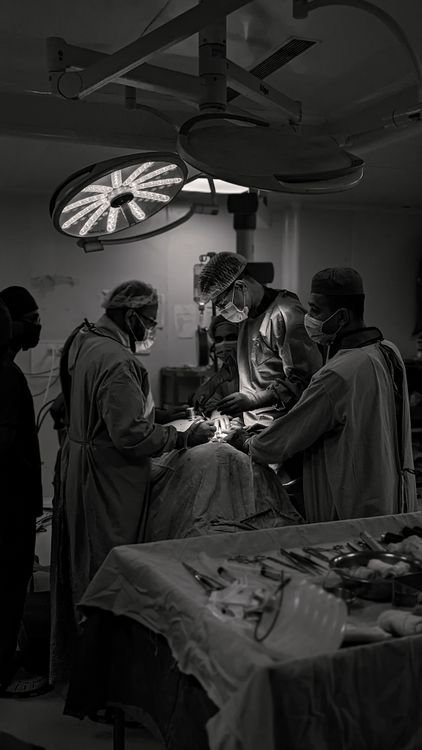
Scenario: a patient dies after surgery. The family blames negligent doctors, demanding VND 2 billion from the hospital. The hospital calls it an “unforeseeable medical accident” and refuses compensation. How to determine accident versus professional error, and who is liable?
Medical accidents vs professional errors: the decisive distinction
The Law on Medical Examination and Treatment 15/2023/QH15 distinguishes medical accidents (complications and risks occurring despite correct professional procedures) from professional errors (breaches of professional procedures causing consequences). This distinction decides liability: unforeseeable medical accidents — no one’s fault — generate no fault-based compensation; professional errors causing harm oblige practitioners and establishments to compensate. Determination belongs to the Professional Council — neither the patient’s family nor the hospital may self-conclude. Circular 32/2023/TT-BYT regulates Professional Council organisation and procedures for resolving disputes upon medical accidents (per Clause 6, Article 101 of the Law).
Compensation liability: hospital or doctor?
The general principle: medical establishments (hospitals) compensate for harm caused by their practitioners performing assigned duties — patients complain against and sue hospitals, not individual doctors. Hospitals after compensating may require at-fault practitioners to reimburse partly or fully per fault degree and internal and labour rules. Doctors face disciplinary and administrative liability (suspension, licence revocation in serious cases) and criminal liability where criminal elements are met (e.g., breaching medical examination and treatment regulations causing serious consequences under the 2015 Penal Code). In the scenario above, the family is right to demand the hospital’s answer — hospitals cannot shift liability onto individual doctors; families may also request Professional Council establishment to determine the incident’s nature.
Patient and family rights after incidents
First, information rights: hospitals must truthfully disclose incidents, causes and handling — concealing medical incidents is a violation. Second, the right to request Professional Council establishment distinguishing accident from error. Third, complaint rights to hospitals, Health Departments and the Ministry of Health; court actions for damages (treatment costs, lost income, moral damages, funeral costs, etc.). Fourth, criminal denunciation rights where criminal signs are suspected. Note: families should collect and preserve evidence early (medical records — with copying rights per rules, prescriptions, bills) since records are pivotal evidence requiring sealing in disputes.
Frequently asked questions
The Professional Council finds “accident” but the family disagrees?
Families may appeal conclusions, request higher-level Council review, or sue — courts commission independent expert assessment. Council conclusions are important evidence but not final judgments.
Do private hospitals bear the same liability as public ones?
Yes. Medical damages liability does not distinguish public from private. Private and FDI hospitals face the same liability framework as public hospitals.
Must doctors apologise after incidents?
The law encourages establishments and practitioners to explain and empathise with patients and families after incidents — a professional ethical duty that de-escalates disputes. Apologies do not always equal legal admissions of fault, but concealment and denial always disadvantage.
This article has been quality-reviewed by the FLAW AI Legal Council.