
Scenario: a factory’s chief accountant sees the power bill rising without understanding why — because retail power tariffs stopped being “one price” long ago. Understanding manufacturing power pricing is basic financial literacy many businesses still skip.
Current calculation: time-of-use and voltage-level pricing
Retail tariffs for manufacturing are computed by time of use: peak hours (highest price), normal hours and off-peak hours (cheapest, usually night). Prices also differ by voltage level — higher voltage (110 kV vs 22 kV or 0.4 kV) means lower prices (lower losses and transmission costs). These two variables — hours used + voltage level — drive most of the bill. Additionally, the average retail tariff is adjusted with input-cost movements (fuel prices, FX) under the power pricing mechanism — businesses must track adjustments like FX rates.
Proposed two-part tariff: paying for “capacity” too
Under study: a two-part tariff — splitting the bill into a capacity charge (paying for registered maximum demand, whether fully used or not) and an energy charge (paying per kWh actually consumed). The philosophy: the power system invests in capacity to serve your peak — that cost must be paid even if you use little. Impact: businesses with high peak loads but low utilisation factors will pay much more — forcing load flattening (peak shaving, shifting to off-peak).
Saving strategies: 4 levers
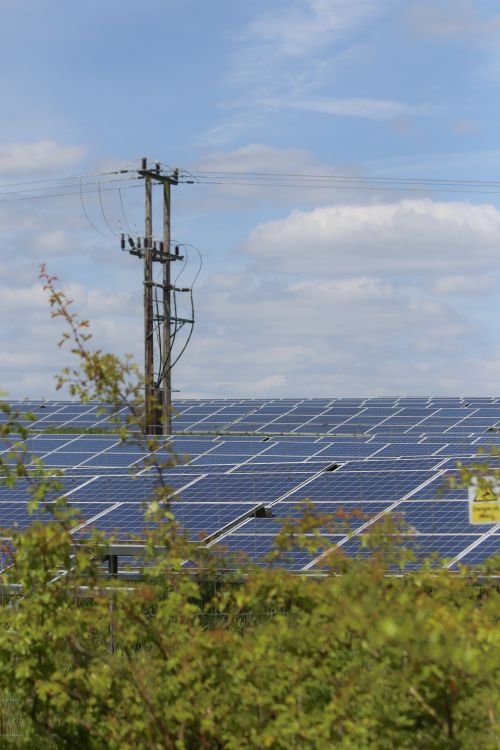
One — load shifting: move power-hungry processes to off-peak hours (cheapest). Two — voltage upgrade: invest in substations to take power at higher voltage if output is large enough — lower prices offset the capex. Three — energy audits: under the Law on Economical and Efficient Use of Energy 50/2010/QH12, key energy users must conduct periodic energy audits — not just an obligation but a tool for finding power-bill “leaks”. Four — rooftop solar + DPPA: self-generate part of demand (Decree 135/2024) or buy renewables directly (Decree 57/2025) to cut high-price grid purchases.
Recommended actions
1. Analyse 12 months of bills by hour/voltage level — find the “pain points”. 2. Assess feasibility of shifting load to off-peak. 3. Conduct periodic energy audits (compliance plus savings). 4. Track the two-part tariff proposal — start flattening load now.
Frequently Asked Questions
How are manufacturing power bills calculated (peak/off-peak)?
Retail manufacturing tariffs are time-based: peak hours (highest), normal hours, off-peak hours (cheapest, usually night); and voltage-differentiated — higher voltage means lower prices. The two variables, hours used + voltage level, drive most of the bill.
What is the proposed two-part (capacity + energy) tariff?
Under study: splitting the bill into a capacity charge (for registered maximum demand, whether fully used or not) and an energy charge (per kWh consumed). Businesses with high peaks but low utilisation will pay much more — forcing load flattening.
What are the load-shifting and power-saving strategies?
Four levers: (1) shift power-hungry processes to off-peak; (2) upgrade voltage level (substation investment) if output is large; (3) periodic energy audits to find “leaks”; (4) self-generate with rooftop solar (Decree 135/2024) or buy renewables via DPPA (Decree 57/2025).
Who must conduct mandatory energy audits?
Under the Law on Economical and Efficient Use of Energy 50/2010/QH12, key energy users must conduct periodic energy audits — both a legal duty and a cost-saving tool.
Why did the power bill rise while output stayed flat?
Common causes: average retail tariff adjustments with input costs; usage skewed to peak hours; higher peak demand; or changed voltage level/purchase terms. Analyse 12 months of bills by hour and voltage level to diagnose.
How should businesses prepare for two-part tariffs?
Flatten load now: shave peaks, shift load to off-peak, and reassess registered demand contracts — because capacity charges are paid on registered peak whether fully used or not.

