
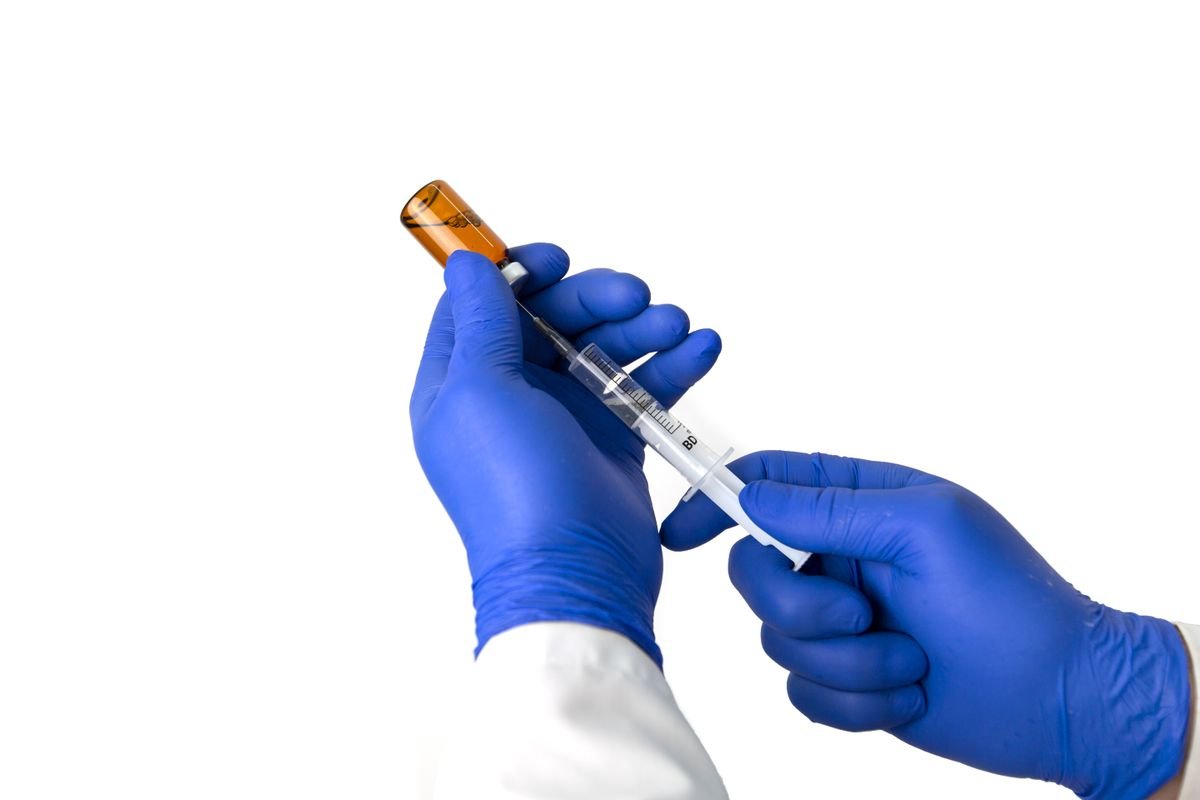
Private vaccination services are booming in Vietnam, but not every premises may offer vaccinations: the law sets strict requirements on facilities, the cold chain and medical personnel. Notably, from 01/7/2026 the Law on Disease Prevention 2025 replaced the 2007 Law on Prevention of Infectious Diseases — while detailed conditions still follow Decree 104/2016 until 30/6/2027.
This article systematizes the premises and personnel requirements for private vaccination service facilities under current law.
1. Legal framework: new parent law, old decree in transition
- Law on Disease Prevention 2025 (114/2025/QH15, effective 01/7/2026): replaces the 2007 Law on Prevention of Infectious Diseases — the current foundational framework for disease prevention and vaccination;
- Decree 104/2016/ND-CP (amended by Decree 155/2018/ND-CP): Articles 9, 10 (facility conditions) and Article 11 (eligibility declaration) remain effective until 30/6/2027 under Decree 165/2026/ND-CP;
- Circular 13/2026/TT-BYT (effective 01/7/2026): regulates vaccination activities, replacing Circular 34/2018/TT-BYT.
2. Premises requirements (Article 9)
A fixed vaccination facility must have a pre-vaccination waiting area with enough seats for one vaccination session, protected from rain and sun, windproof and well-ventilated. Often underestimated, this is the first item inspectors check — many facilities are ordered to remedy it on the spot.
3. Equipment: cold chain and anti-shock
- Cold chain: refrigerators, vaccine flasks or cold boxes, plus temperature-monitoring devices at storage and during vaccine transport — vaccines must be kept at the manufacturer’s required temperature from warehouse to vaccination point;
- Anaphylaxis response: an anti-shock kit and the anti-shock protocol posted at the post-vaccination observation and reaction-management area, as required by the Ministry of Health — a mandatory, non-negotiable condition.
4. Personnel: specific numbers
- Headcount: at least 03 medical professionals, including at least 01 at physician-assistant (y sy) level or higher; in remote and disadvantaged areas: at least 02 intermediate-level medical staff, including at least 01 y sy;
- Screening, counseling, monitoring and post-vaccination reaction management: staff at y sy level or higher;
- Personnel directly administering injections: at least intermediate-level medicine or nursing-midwifery;
- All medical staff in vaccination activities must have professional vaccination training.
5. Eligibility declaration procedure
Meeting the conditions is not enough — the facility must self-declare its vaccination eligibility under Article 11 of Decree 104/2016/ND-CP, filed with the Department of Health for public posting. Only after declaration may vaccination services begin. Mobile vaccination points may only be run by declared facilities, and home vaccination applies only to expanded-program or anti-epidemic vaccination in remote areas.
6. Common mistakes
- Opening vaccination services before declaring eligibility — subject to sanctions and suspension;
- Missing anti-shock kits or protocols at the vaccination point;
- Sufficient headcount but missing vaccination-training certificates;
- Cold-chain breaches — both a violation and a loss of vaccine efficacy, creating compensation liability.
Planning to open a private vaccination facility and need a legal-conditions review? Contact us for advice.
This article was prepared by the FLAW AI Legal Council. It is pending QA Council review and owner approval before publication. The information is for reference only and does not replace legal advice for your specific case.