
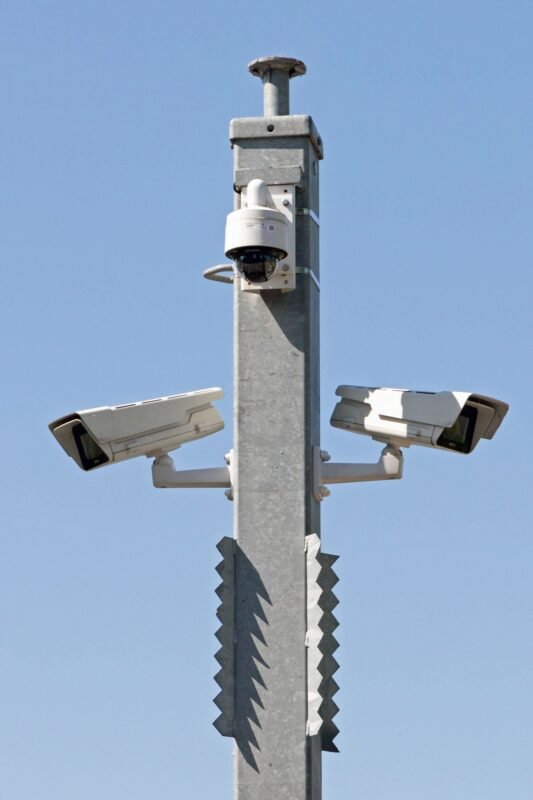
A facial recognition camera system does not process ordinary images but biometric data, and under Personal Data Protection Law No. 91/2025/QH15 and Decree 356/2025/ND-CP biometric data sits in the sensitive personal data group carrying the strictest protection conditions. The deploying business needs a lawful processing basis for each separate purpose — access security, timekeeping, incident investigation — and cannot build one all-purpose recognition system then use it for every purpose that arises, because processing beyond the notified purpose breaches the law’s purpose-limitation principle.
Facial data is sensitive personal data: the highest compliance tier
The most sensitive practice point is employee timekeeping. The employment relationship’s power imbalance means staff consent is hard to treat as fully voluntary if refusing consent means attendance goes unrecorded. The safe deployment offers a non-biometric alternative such as cards or personal codes, states clearly where facial data is stored, for how long and who can access recognition logs, and uses the data only for the notified timekeeping purpose. Face templates of departing employees must be deleted on the HR data deletion schedule, not left in the live recognition database.
Face-based timekeeping: is employee consent really voluntary
Before switching the system on, the business should prepare a personal data processing impact assessment for large-scale sensitive data processing and file it with the specialised authority under the Ministry of Public Security per Law 91/2025/QH15 and Decree 356/2025/ND-CP, and designate data protection personnel or a unit. Technically the floor includes encryption of biometric templates, role-based access, face-query logging and a ban on exporting the face database outside the controlled system; a camera vendor processing data on its own cloud must be bound by a data processing agreement as processor.
Conditions for lawful deployment at offices and factories
Businesses must also anticipate data subject rights: employees and visitors have rights to be informed about recognition and to request access and deletion of their data in statutory cases. Signage at camera points, a dedicated section in internal labour rules and the internal privacy policy are three places that must say the same thing. A covertly deployed system, even for security reasons, almost certainly creates more risk than benefit once discovered through an employee complaint or a data compliance inspection.
Frequently Asked Questions
Is it lawful to install facial recognition cameras at an office or factory?
Yes if the business has a processing basis for each purpose, transparent notice, a completed impact assessment for sensitive data under Law 91/2025/QH15 and Decree 356/2025/ND-CP, and protections matching biometric sensitivity.
What conditions apply to collecting employees’ facial data?
Clear notice of purpose, storage location, retention and access holders; where consent is the basis, a non-biometric timekeeping alternative so consent is genuinely voluntary, and deletion of face templates when employment ends.
Does face-based timekeeping violate privacy rights?
Not automatically, if processing basis, transparency and purpose limitation are done properly; risk arises when timekeeping data is reused for purposes beyond those notified or the system is deployed covertly without informing staff.
Related articles
- Collecting Online Consumer Debt: Legal Limits on Collection
- Digital Asset Custody: Provider Obligations
- Stablecoins and CBDC: What Central Banks and Businesses Should Know
- eKYC for Financial Services: Technical Standards
- Digital Banking: Models and Licensing in Vietnam
This legal analysis has been verified against current Vietnamese regulations and cross-border FDI transaction practices by the attorneys at FLAT LAW FIRM.

