
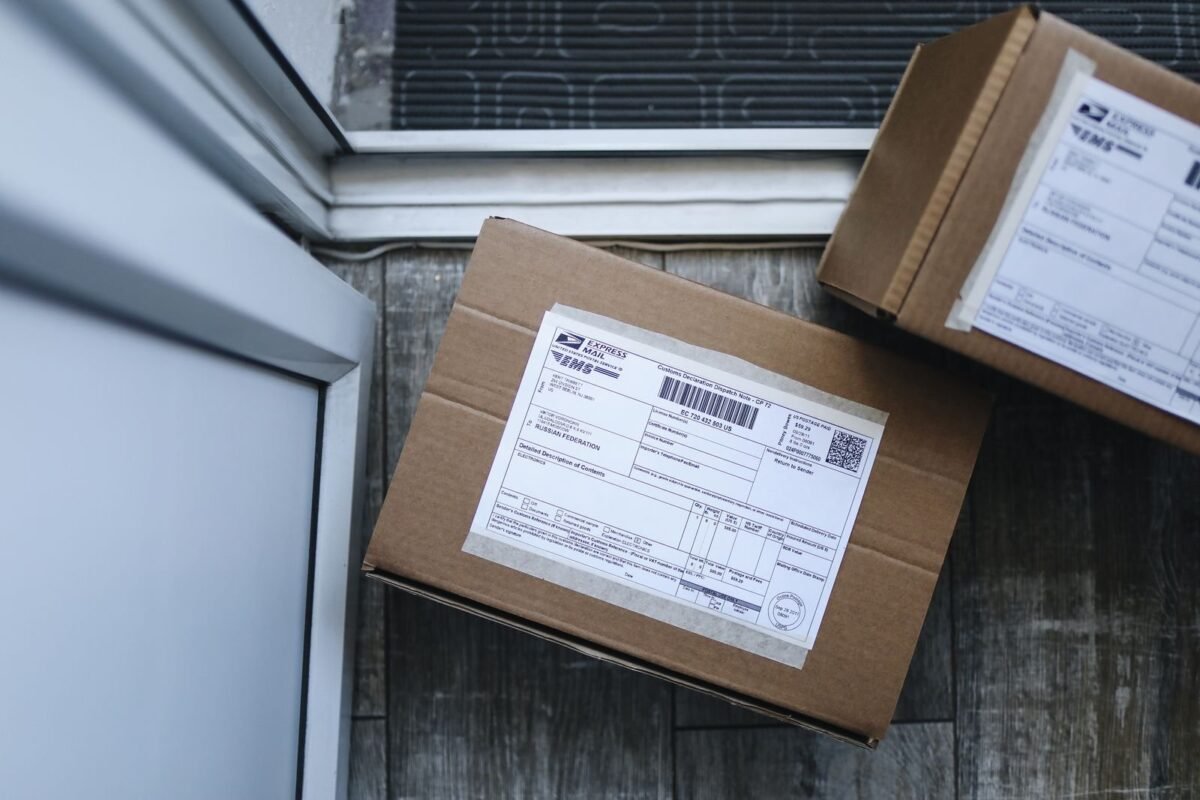
Scenario: Ms. Lan buys a blender on an e-commerce marketplace. It arrives dead on arrival. The shop refuses any return, citing “shop policy: no returns on electronics”. She wonders: can a shop set such a policy, or does the law mandate something?
The principle: shop policies cannot undercut the law
Online sellers may set their own return and warranty policies, but those policies must not contradict the law or strip consumers of their minimum rights. The Consumer Protection Law 19/2023/QH15 (effective 1 July 2024) gives consumers the right to exchange or return goods that do not match commitments or are defective due to manufacturing; businesses must receive and resolve consumer requests. The E-Commerce Law 122/2025/QH15 (effective 1 July 2026) requires sellers to fully disclose transaction terms — including return and warranty policies — before buyers place orders. A blanket “no returns under any circumstances” clause for defective goods is an unfair term and may be void under rules on unfair contract terms against consumers.
Sellers’ specific duties
First, publish the return and warranty policy in writing on the storefront: qualifying conditions (defects, wrong item, transit damage), time limits, who bears return shipping, and procedures. Second, honour the published commitment — a disclosed policy becomes part of the sales contract. Third, for manufacturer-warranted goods, provide warranty information, activation guidance and support contacting service centres. Fourth, where goods have safety-threatening defects, notify the platform operator for public disclosure and carry out recalls as required (Article 21, E-Commerce Law 122/2025/QH15).
What should buyers do when a return is refused?
Step one: screenshot the return policy as published at purchase time (it may later be edited). Step two: send a written return request through the platform’s official channel with defect evidence (unboxing video, photos). Step three: if the shop still refuses, escalate to the platform’s dispute-resolution unit — major marketplaces refund buyers when sellers breach commitments. Step four: report to market surveillance or sue in court for high-value disputes. Note the timing: raise return requests promptly upon discovering defects, within the published policy window.
Frequently asked questions
Can sale or clearance items be returned?
Yes, if defective or misdescribed. A discount does not erase the consumer’s right to return defective goods — unless the seller clearly disclosed the defect before sale and the buyer agreed to purchase as-is.
Can the shop make the buyer pay return shipping for defective goods?
No. Where the fault lies with the seller (defect, wrong item), return costs fall on the seller, unless a disclosed policy — accepted by the buyer beforehand — lawfully agrees otherwise. For change-of-mind returns, the parties follow their agreement.
The shop warranty expired but the manufacturer warranty remains?
Buyers still enjoy the manufacturer’s warranty per its published terms. The seller must provide the information and purchase invoice needed to activate it.
This article has been quality-reviewed by the FLAW AI Legal Council.