
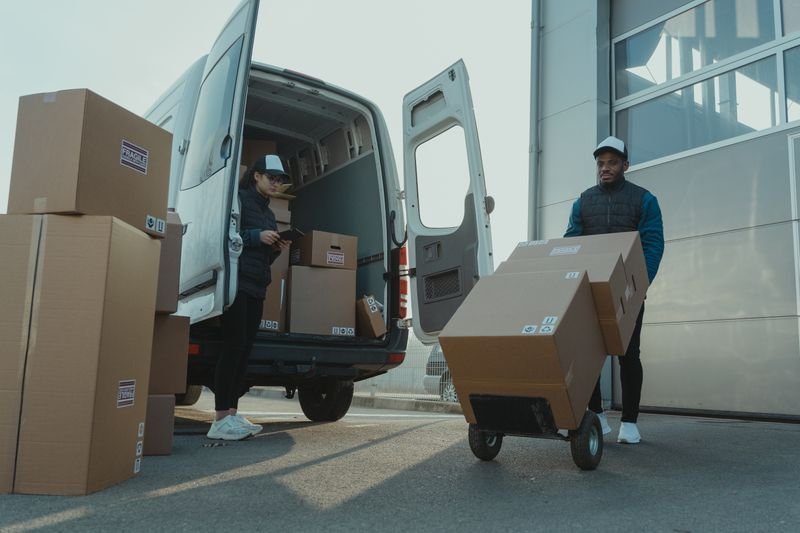
Scenario: an FDI company imports 20 sample earphones from its parent for display, invoiced as “sample, no commercial value.” Customs still orders a valuation check. Many businesses are surprised: free goods get price-scrutinized? Yes — every good crossing the border needs a customs value, including non-commercial samples.
Why samples face valuation checks
The Customs Law 54/2014/QH14 (consolidated text VBHN 54/VBHN-VPQH 2026, in force as of 19/10/2026) and Circular 39/2015/TT-BTC (amended by Circular 39/2018/TT-BTC) do not exempt non-commercial goods from value declaration. The practical reason: “samples” are a common cover for under-declaring value, splitting commercial consignments, or dodging specialized inspections. Customs applies risk management — parent-company sample shipments, abnormally declared values, or high-duty goods can all trigger checks.
Determining value with no transaction price
Customs value is determined sequentially under six methods. Method 1 (transaction value) cannot apply without an actual sale price. Customs moves to the next methods: transaction value of identical goods, then similar goods previously imported/exported, then the deductive method (domestic resale price minus costs). Businesses should proactively supply catalogues, the manufacturer’s price lists, and values of prior commercial shipments of the same goods — the strongest basis for customs to accept the declared value without assessment.
Duty exemption for samples — conditional
The Law on Export and Import Duties 107/2016/QH13 and Decree 134/2016/ND-CP (in force as of 19/10/2026) exempt imported samples within prescribed norms. The tripwire: exemption norms attach to purpose and reasonable quantity. Importing 20 earphones “as samples” for one product line may be deemed excessive; samples later sold (even partially) trigger full duty recovery plus penalties for misdeclaration.
Three common mistakes
1. Declaring a token value of USD 1. The declared value must reflect the goods’ real value; token declarations almost guarantee doubt and assessment at market price — usually above the internal price.
2. Mixing samples with commercial goods in one shipment. Commingling subjects the whole consignment to commercial-goods scrutiny.
3. Keeping no proof of sample purpose. Emails with the parent on the testing program, display plans, and destruction/return records are key evidence when explaining.
FAQs
1. Are samples subject to import VAT?
Yes, unless exempted. Import-duty exemption does not mean VAT exemption — the two taxes apply independently and each must be checked.
2. How to challenge an assessed value above market?
The business may ask customs to explain the valuation basis, submit further evidence (manufacturer price lists, third-party arm’s-length contracts), and complain under the Law on Complaints if it disagrees with the assessment.
3. Can imported samples later be sold off?
Yes, but the change of use must be declared with full import duty and VAT paid on the value at conversion time. Quietly selling duty-exempt samples is tax evasion.
4. Do express-delivery samples face valuation checks?
Yes. Express consignments remain subject to customs control; the value on the waybill is matched against the risk database like ordinary goods.
5. Is there an annual cap on duty-free sample quantities?
The law sets no hard number for all goods; “norms” are judged on the reasonableness of the stated purpose. Businesses importing samples frequently or in volume should prepare purpose justifications per batch.
Related articles
- Guaranteeing Loans: Signing Means Paying & 5 Self-Protections
- Personal Debt Collection in Vietnam: 4 Steps to Sue & Enforce
- Maximum Lending Rate 20%/Year: The Cap & Usury Crime
- Lending to Friends & Collecting Lawfully: Notes, 3 Rungs, 3 Bans
- Foreign-invested audit firms: business conditions
This legal analysis has been verified against current Vietnamese regulations and cross-border FDI transaction practices by the attorneys at FLAT LAW FIRM.

